Safari camp in Okavango Delta with wildlife tours offers a unique blend of adventure and luxury, inviting travelers to explore one of Africa’s most breathtaking landscapes. Nestled in the heart of Botswana, the Okavango Delta is a sprawling wetland that teems with diverse wildlife and stunning natural beauty. From the thrill of spotting majestic elephants to the serene experience of a canoe ride at sunset, this destination promises unforgettable moments that connect you with nature.
Visitors can look forward to luxurious, eco-friendly accommodations designed to enhance their experience while respecting the environment. Each safari camp serves as a gateway to thrilling wildlife tours, where guests can witness an array of animals in their natural habitat. With various activities available—from exhilarating game drives to enriching cultural visits—the Okavango Delta is a must-see for any nature enthusiast.
Overview of Safari Camps in Okavango Delta
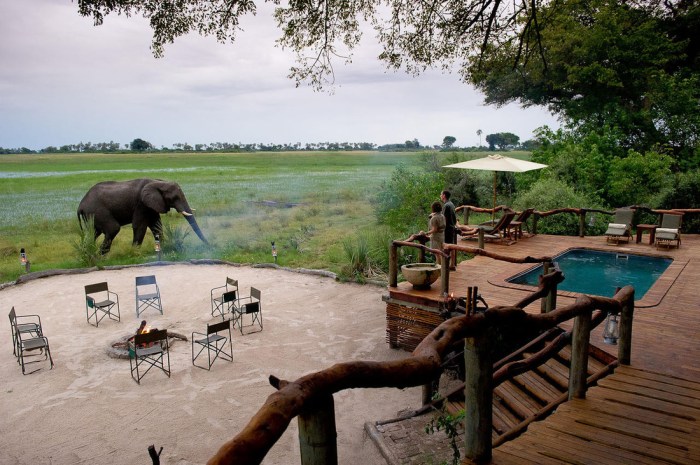
The safari camps in the Okavango Delta offer a remarkable blend of luxury and nature, creating an unforgettable experience for adventure seekers and wildlife enthusiasts alike. Nestled within one of the world’s largest inland deltas, these camps serve as the perfect base for exploring the rich biodiversity of the region.The unique features of the safari camps lie in their strategic locations, often set on islands or elevated areas that provide stunning views of the surrounding landscapes and waterways.
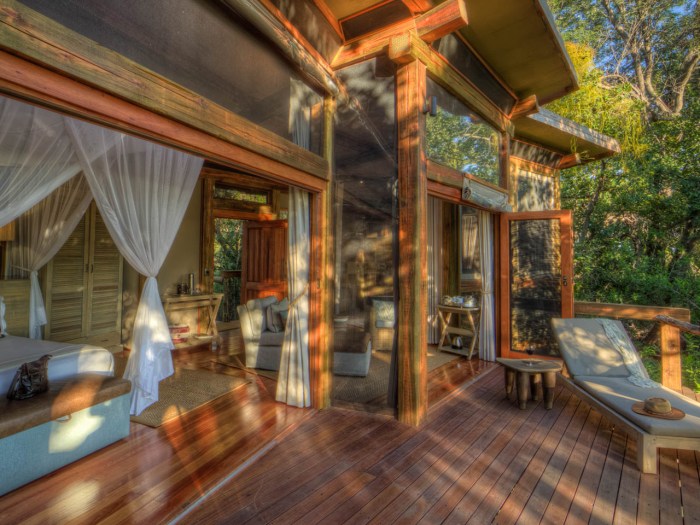
Guests can immerse themselves in the wilderness with accommodations that range from luxurious tents to elegant lodges, all designed to harmonize with the natural environment. Many camps emphasize sustainability, utilizing eco-friendly practices to minimize their carbon footprint while enhancing the overall experience of their visitors.
Luxury and Eco-friendly Aspects, Safari camp in Okavango Delta with wildlife tours
The luxury found in Okavango Delta safari camps goes beyond plush furnishings and gourmet dining. These establishments are often crafted using local materials and designed to blend seamlessly with their surroundings, ensuring that visitors enjoy a lavish experience without compromising the integrity of the environment. A few highlights of luxury and eco-friendly features include:
- Eco-conscious Design: Camps often use renewable energy sources such as solar panels, and many employ advanced waste management systems to reduce their impact.
- Local Cuisine: Menus frequently showcase organic, locally sourced ingredients, allowing guests to savor the flavors of Botswana while supporting local communities.
- Wildlife Conservation Efforts: Many camps actively participate in conservation initiatives, offering guests opportunities to support wildlife preservation and research.
- Personalized Experiences: From private game drives to bespoke dining under the stars, luxury safari camps provide tailored itineraries that cater to individual preferences.
Geographical Significance as a Wildlife Haven
The Okavango Delta is a UNESCO World Heritage site and is considered one of the most unique ecosystems in Africa. Its geographical features create a lush oasis that attracts a diverse array of wildlife, making it a crucial habitat for many species. Key aspects of the Delta’s geographical significance include:
- Diverse Ecosystems: The Delta comprises a mix of permanent water channels, seasonal floods, and dry land, supporting a variety of habitats that host over 1,500 plant species and numerous animal species.
- Migration Paths: The Delta is a critical stopover for migratory birds and large mammals, including elephants and antelopes, which traverse the area in search of water and grazing grounds.
- Rich Biodiversity: The region is home to iconic species such as lions, leopards, hippos, and crocodiles, providing thrilling opportunities for wildlife viewing.
- Water-Based Activities: The intricate network of waterways allows for unique experiences like mokoro (dugout canoe) excursions, offering guests a different perspective on the wildlife and their habitats.
“Experiencing the Okavango Delta is like stepping into a living postcard, where every view captures the essence of Africa’s untamed beauty.”
Wildlife Tours in the Okavango Delta
The Okavango Delta, a UNESCO World Heritage Site, is renowned for its breathtaking landscapes and rich biodiversity. Embarking on wildlife tours here offers a unique opportunity to witness an array of species in their natural habitats. From majestic elephants to elusive leopards, the Delta is a sanctuary for both wildlife enthusiasts and photographers seeking to capture the essence of African wildlife.Wildlife tours in the Okavango Delta provide visitors with an unforgettable experience, showcasing the region’s vast array of animals and plants.
Various tour options cater to different preferences, allowing guests to explore the Delta’s beauty from multiple perspectives. Each type of tour offers its own set of advantages and experiences, ensuring that every visitor finds a memorable way to connect with nature.
Types of Wildlife Observations
The Okavango Delta is home to an impressive variety of wildlife, making it an ideal location for observing both iconic and lesser-known species. The following list highlights some of the notable animals you may encounter during your wildlife tours:
- African Elephants: The Delta hosts one of the largest populations of African elephants, often seen roaming the floodplains and woodlands.
- Lions: Known as the “king of the jungle,” lions are frequently spotted resting in the shade or on a hunt during the cooler hours of the day.
- Leopards: These elusive big cats can often be seen lounging in trees, showcasing their impressive camouflage.
- Buffalo: Cape buffalo are commonly found in herds, providing excellent opportunities for photographers to capture their social behavior.
- Hippos and Crocodiles: Both species can be seen in the waters of the Delta, with hippos frequently surfacing to breathe and crocodiles basking on the banks.
- Birdlife: The Delta is a paradise for birdwatchers, with over 400 species recorded, including the majestic African Fish Eagle and colorful kingfishers.
Tour Options
Exploring the Okavango Delta can be done through various methods, each offering a unique perspective on the region’s wildlife. Here are the primary tour options available:
- Walking Safaris: Guided by experienced rangers, walking safaris allow participants to immerse themselves in the bush, learning about tracks, plants, and animal behavior firsthand.
- Boat Safaris: These tours provide a serene way to navigate the waterways, allowing close encounters with aquatic wildlife, including hippos, crocodiles, and various bird species.
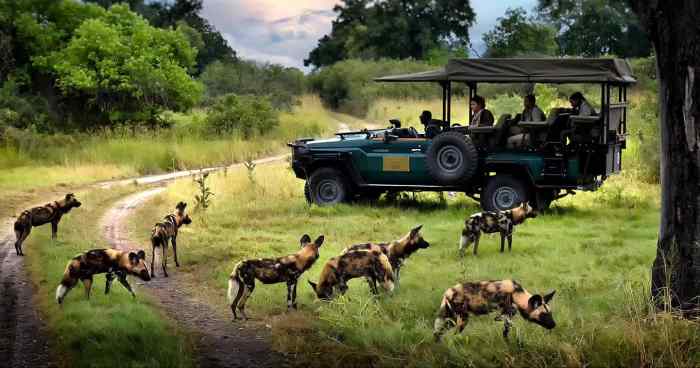
- Game Drives: Conducted in open safari vehicles, game drives enable visitors to cover larger distances, increasing the chances of spotting larger mammals and providing a thrilling experience.
Best Times for Wildlife Viewing
The timing of your visit greatly influences the wildlife experience in the Okavango Delta. Generally, the dry season, from May to October, is considered the best time for wildlife viewing. During this period, animals congregate around water sources, making them easier to spot. The following points provide insights into seasonal wildlife movement:
- Dry Season (May to October): Animals are more active, and the vegetation is less dense, making it easier to see wildlife. The cooler temperatures also encourage animals to be more mobile.
- Wet Season (November to April): The Delta transforms into a lush paradise, attracting migratory birds and numerous herbivores. While wildlife is more dispersed, it offers unique photographic opportunities, especially for birdwatchers.
“The Okavango Delta is not only a destination but an experience that connects you with the raw beauty of Africa.”
Activities Available at Safari Camps: Safari Camp In Okavango Delta With Wildlife Tours
Safari camps in the Okavango Delta offer a wealth of activities designed to immerse guests in the stunning natural environment and vibrant wildlife of the region. From thrilling adventures to serene experiences, there’s something for everyone to enjoy. Whether you’re seeking to explore the wild or unwind in nature, the variety of activities present will create memorable moments during your stay.The activities available at safari camps cater to a wide array of interests, ensuring that visitors can engage with the landscape and its inhabitants in multiple ways.
Guests can participate in guided wildlife tours, educational experiences, and wellness treatments, all while enjoying the breathtaking beauty of the Delta.
Wildlife Experiences
One of the primary attractions of safari camps is the opportunity to observe the diverse wildlife that inhabits the Okavango Delta. Guided game drives allow guests to witness majestic elephants, graceful giraffes, and prides of lions in their natural habitat. Additional wildlife experiences include:
- Bird Watching: The Delta is home to over 400 bird species, making it a paradise for bird enthusiasts. Early morning walks or boat trips provide the perfect setting for spotting rare and colorful birds.
- Canoeing: Explore the tranquil waterways of the Delta in a canoe, offering a unique perspective of the ecosystem. Paddle alongside hippos and crocodiles while enjoying the serene surroundings.
- Walking Safaris: Experience the bush on foot with expert guides who share their knowledge about flora, fauna, and the intricate connections within the ecosystem.
Cultural Visits
Engaging with local communities provides guests with a deeper understanding of the region’s heritage and traditions. Cultural visits are an enriching addition to the safari experience. These visits may include:
- Community Tours: Interact with local tribes, learn about their customs, and experience their daily lives through guided tours.
- Craft Workshops: Participate in traditional craft-making sessions, such as basket weaving or beadwork, led by local artisans.
- Traditional Dance Performances: Enjoy captivating dance performances that celebrate local culture and storytelling, often accompanied by traditional music.
Wellness Activities
For those seeking relaxation, many safari camps offer wellness activities that promote rejuvenation amidst nature. The tranquil surroundings provide an ideal backdrop for unwinding and reconnecting with oneself. Common wellness offerings include:
- Spa Treatments: Indulge in spa therapies using natural products, including massages and facials, inspired by the African landscape.
- Yoga and Meditation: Morning yoga sessions or meditation practices held in serene locations enhance well-being and mindfulness, allowing guests to fully embrace their surroundings.
- Nature Walks: Guided walks that focus on mindfulness and connecting with nature provide an opportunity to reflect and recharge.
Sustainable Tourism in the Okavango Delta
Sustainable tourism is a vital aspect of the Okavango Delta, ensuring that the pristine environment and its diverse wildlife are preserved for future generations. Safari camps in this unique ecosystem play a crucial role in promoting responsible travel practices that respect and protect the natural habitat. By emphasizing conservation, these camps not only enhance the visitor experience but also contribute significantly to the region’s ecological balance.Sustainable practices in safari camps involve minimizing environmental impact, supporting local communities, and promoting wildlife conservation.
Many camps implement eco-friendly initiatives ranging from solar energy use to waste recycling, which help reduce their carbon footprint. By engaging in sustainable tourism, these establishments create a model of responsible travel that travelers are increasingly seeking.
Contributions to Conservation Efforts
Safari camps in the Okavango Delta actively participate in conservation efforts through various means, including:
- Collaboration with local communities to foster wildlife protection initiatives.
- Financial support for anti-poaching units that work tirelessly to safeguard endangered species.
- Investment in habitat restoration projects that help maintain the delicate balance of the ecosystem.
- Education and awareness programs designed to inform visitors about the importance of wildlife conservation and responsible tourism.
Through these contributions, safari camps not only enhance the local economy but also empower communities to prioritize environmental stewardship.
Key Organizations Involved in Wildlife Protection
Several key organizations are instrumental in wildlife protection within the Okavango Delta. These organizations work alongside safari camps and local communities to ensure the survival of the region’s unique flora and fauna. Notable organizations include:
- The Botswana Predator Conservation Trust, which focuses on the conservation of predator species and their habitats.
- Okavango Wilderness Safaris, known for their commitment to sustainable tourism and community involvement.
- The World Wildlife Fund (WWF), actively engaged in various conservation projects across Africa, including the Okavango Delta.
- BirdLife Botswana, dedicated to the conservation of bird species and their habitats in the region.
These organizations, in partnership with safari camps, create a robust network working towards the sustainability of the Okavango Delta, ensuring that its rich biodiversity continues to thrive.
Planning Your Safari Experience
Embarking on a safari in the Okavango Delta is an adventure of a lifetime, and careful planning is essential to ensure a memorable experience. Choosing the right safari camp and preparing adequately will enhance the enjoyment of your journey into the wild. This guide aims to provide essential insights for selecting a camp, preparing for your trip, and exploring transportation options to reach this stunning destination.
Choosing the Right Safari Camp
Selecting a safari camp involves considering various factors that align with your preferences and expectations for the trip. Key aspects include location, amenities, activities offered, and the overall atmosphere of the camp. Here are some crucial points to consider:
- Location: Camps situated in prime wildlife areas typically offer better game viewing opportunities. Look for camps near rivers and areas known for high animal concentrations.
- Accommodation Type: Camps can range from luxurious lodges to more rustic tented options. Decide what level of comfort you desire.
- Guided Tours: Verify if the camp offers professional guides who are knowledgeable about the local wildlife and ecosystems.
- Activities Available: Besides traditional game drives, some camps offer walking safaris, boat trips, or even cultural experiences with local communities.
- Group Size: Smaller groups can mean a more intimate experience, allowing for personalized attention during your safari.
Preparation Checklist for Safari
Before embarking on your safari, it’s crucial to be well-prepared. Having a checklist ensures you don’t forget important items and helps you feel ready for the adventure ahead. Here’s a comprehensive checklist for your safari preparations:
- Travel Documents: Ensure your passport, visa (if required), and travel insurance are in order.
- Health Precautions: Consult your doctor about vaccines and malaria prophylaxis well in advance.
- Clothing: Pack lightweight, breathable fabrics in neutral colors, along with a warm layer for cooler evenings.
- Binoculars and Camera: Bring high-quality binoculars and a camera with ample memory cards to capture the stunning wildlife.
- Personal Items: Include essentials like sunscreen, insect repellent, and personal medications.
Transportation Options to the Okavango Delta
Reaching the Okavango Delta can be an adventure in itself, with multiple transportation options to consider. Understanding your choices will help you plan your journey effectively. The primary methods of reaching the Delta include:
- By Air: The quickest way is to fly directly to one of the airstrips located in the Delta, with various charter airlines offering scheduled flights from major cities like Maun.
- By Road: For those seeking a more scenic route, driving from Maun or other nearby towns is an option, although it requires a 4×4 vehicle due to unpaved roads.
- Transfers: Many safari camps offer transfer services from the nearest airports or towns, making it convenient for travelers.
“The journey is just as important as the destination, especially in the breathtaking landscapes of the Okavango Delta.”
Cultural Insights of the Region
The Okavango Delta is not just a haven for wildlife; it is also a rich tapestry of indigenous cultures that have lived in harmony with the land for centuries. The local communities, including tribes such as the Bakota and the San, embody a deep-rooted connection to nature, exemplifying traditions and stories that enhance the safari experience. Understanding these cultures adds an enriching layer to your adventure, allowing you to appreciate the wildlife through the eyes of those who have coexisted with it for generations.The indigenous cultures of the Okavango Delta are characterized by their unique traditions and rituals that revolve around wildlife and the natural environment.
These communities celebrate their heritage through storytelling, music, and art, drawing inspiration from the flora and fauna that surround them. Their sustainable practices reflect a profound respect for nature, ensuring that wildlife thrives and continues to be an integral part of their lives.
Indigenous Tribes and Their Relationship with Wildlife
The interaction between the local tribes and wildlife is not merely one of survival but is steeped in spiritual and cultural significance. The tribes often hold beliefs and rituals that honor the animals they share the land with. Here are some key aspects of their relationship:
- Symbolism in Animal Behavior: Many tribes interpret animal actions and behaviors as omens or messages from ancestors, guiding their decisions and actions.
- Rituals and Ceremonies: Traditional ceremonies often include animal symbolism, where specific species are celebrated as totems or protectors of the tribe.
- Sustainable Hunting Practices: The communities practice regulated hunting, ensuring that wildlife populations remain stable while providing for their families.
- Medicinal Knowledge: Indigenous tribes possess extensive knowledge of local flora and fauna, using them for traditional medicine and healing rituals, which are often tied to animal symbolism.
- Storytelling Traditions: Stories passed down through generations often feature animals as central characters, imparting moral lessons and cultural values to younger members.
The intertwining of wildlife and culture creates a unique experience for safari-goers. Engaging with local communities provides travelers with insights into the traditional practices that have endured despite modern challenges. By participating in cultural experiences, visitors not only learn about the indigenous way of life but also contribute to the communities’ efforts to preserve their heritage and natural environment.
“To understand the wildlife of the Okavango Delta is to understand the people who have nurtured it for generations.”
Through guided tours and interactions with local artisans, travelers can witness the art of traditional crafts, listen to the rhythmic sounds of tribal music, and partake in dance ceremonies, each offering a glimpse into the rich cultural landscape of the region. These experiences deepen the safari journey, making it more than just a wildlife observation but a holistic exploration of the Delta’s heartbeat—the cultures that thrive within it.
Safety Tips for Safari Tours
Embarking on a safari adventure in the Okavango Delta is an exhilarating experience filled with breathtaking wildlife encounters. However, ensuring your safety and the well-being of the animals is paramount. This guide covers essential safety precautions you should take during wildlife tours, the importance of heeding your guide’s instructions, and tips for respecting wildlife from a safe distance.
Essential Safety Precautions
When participating in a safari tour, adhering to specific safety measures can significantly enhance your experience while minimizing risks. Here are several precautions to keep in mind:
- Wear appropriate clothing: Opt for neutral colors to blend in with the environment and avoid bright hues that may attract unwanted attention from wildlife.
- Stay in your vehicle: Vehicles provide a layer of safety. Always remain inside unless instructed otherwise by your guide.
- Keep noise to a minimum: Loud sounds can disturb wildlife and may provoke aggressive behavior. Speak softly and avoid sudden movements.
- Stay hydrated: Bring enough water to stay hydrated, especially during hot weather, but avoid discarding any trash in the wilderness.
- Follow your guide’s instructions: Guides are trained professionals who understand animal behavior and the environment, so it’s crucial to listen to their advice.
Importance of Following Guides
Your safari guide is your best asset in ensuring a safe and enjoyable experience. These professionals possess extensive knowledge of the ecosystem and can identify potential dangers. By following their lead, you can navigate the terrain safely while also gaining insights into the wildlife you encounter.
“A well-informed guide can enhance your understanding of the environment and help you appreciate the delicate balance of nature.”
Respecting Wildlife and Maintaining Distance
Respecting wildlife is essential for both your safety and the animals’ well-being. It’s crucial to maintain a safe distance and observe wildlife without disturbing their natural behaviors. Here are some guidelines to follow:
- Maintain a safe distance: Ideally, keep at least 30 meters (100 feet) away from large animals like elephants and lions. This distance reduces stress on the animals and helps you stay safe.
- Observe quietly: Use binoculars or a camera with zoom to get a closer look without intruding on their space. Avoid making loud noises or sudden movements when observing wildlife.
- Do not feed animals: Feeding wildlife can alter their natural behavior and lead to dangerous situations, both for you and the animals.
- Be mindful of your surroundings: Stay alert and aware of the wildlife around you, as animals can be unpredictable. Pay attention to any signs of agitation or discomfort from the animals.
Closing Summary
In conclusion, a safari camp in Okavango Delta with wildlife tours is not just a holiday; it’s an immersive experience that combines adventure, luxury, and conservation. Whether you’re seeking to gaze at the stars from your tent or encounter wildlife up close, this destination caters to every traveler’s dream. Embrace the spirit of the delta and create cherished memories that will last a lifetime.
Question & Answer Hub
What is the best time to visit the Okavango Delta?
The best time to visit is during the dry season, from May to October, when wildlife is more easily spotted as animals congregate around water sources.
Are the safari camps family-friendly?
Many safari camps offer family-friendly options, including guided tours suitable for children and activities designed to engage younger visitors.
What should I pack for a safari in the Okavango Delta?
You should pack lightweight, breathable clothing, a good pair of binoculars, sunscreen, and insect repellent to ensure a comfortable experience.
Is it safe to travel to the Okavango Delta?
Yes, the Okavango Delta is generally safe for travelers, especially when guided by experienced tour operators who prioritize safety and adhere to regulations.
Do safari camps provide all meals?
Most safari camps include meals in their packages, offering a variety of local and international cuisine to enhance your experience.