Hotel near tourist attractions sets the stage for a travel experience that is both convenient and exciting. Choosing the right hotel can significantly enhance your adventure, placing you right at the heart of the action. Whether you’re exploring iconic landmarks or indulging in local culture, staying close to these sites allows you to maximize your time and enjoyment.
Proximity to popular sites not only adds convenience but also offers a unique opportunity to soak in the local atmosphere. From luxury hotels with plush amenities to budget-friendly options that don’t skimp on comfort, there’s something for every traveler. Understanding the types of hotels available, their facilities, and the factors influencing your choice can make all the difference in crafting the perfect getaway.
Importance of Proximity to Tourist Attractions
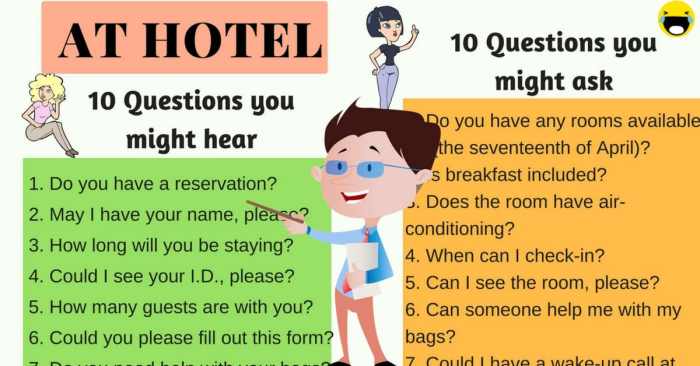
Source: eslbuzz.com
Staying in a hotel near popular tourist attractions can significantly enhance the travel experience. The convenience of being close to landmarks not only saves time but also allows for a more immersive and enjoyable exploration of a city. When travelers are situated within walking distance or a short drive to key sites, they are more likely to engage with the local culture and activities.The location of a hotel plays a pivotal role in shaping the overall travel experience.
Accessibility to attractions can lead to spontaneous excursions, allowing guests to explore more without the hassle of long commutes. This accessibility not only fosters a relaxed atmosphere but also encourages travelers to spend more time at the hotel and nearby shops, leading to increased foot traffic. Such dynamics can ultimately boost revenue for hotel owners and local businesses.
Impact of Location on Travel Experience
The location of a hotel greatly influences the type of experience a traveler has. Proximity to tourist attractions facilitates easy access to a variety of activities and experiences. Key benefits include:
- Time Efficiency: Being close to popular sites minimizes travel time, allowing guests to maximize their vacation enjoyment and engage in multiple activities throughout the day.
- Cost Savings: Staying near attractions reduces transportation costs, as many landmarks can be reached on foot or via inexpensive public transportation.
- Enhanced Leisure Opportunities: Guests can easily return to the hotel for a break or freshen up before heading out again, making it easier to explore multiple attractions in a single day.
- Local Engagement: A central location encourages interaction with local culture, cuisine, and shopping, enriching the overall travel experience.
Increased foot traffic generated from a hotel’s strategic location can lead to higher revenue not just for the hotel, but also for surrounding businesses. When tourists are nearby, they are more inclined to visit shops, restaurants, and entertainment venues, thereby supporting the local economy.
“Location is everything in hospitality; it defines the guest experience and can significantly impact a hotel’s success.”
Hotels situated near key attractions often see higher occupancy rates, especially during peak travel seasons. This trend can be observed in cities like New York, Paris, and Tokyo, where visitors seek convenient access to landmarks such as Times Square, the Eiffel Tower, and Shibuya Crossing. The demand for accommodations in these prime locations results in competitive pricing and increased revenue for hotel owners.In summary, the proximity of hotels to tourist attractions not only enhances the convenience and enjoyment for travelers but also creates economic benefits for the surrounding area, making it a crucial consideration for both guests and hotel operators alike.
Types of Hotels Near Tourist Attractions
When it comes to traveling, the type of accommodation you choose can significantly enhance your overall experience. Hotels near tourist attractions come in various styles, each catering to different preferences and budgets. Understanding the differences between luxury, budget, and boutique hotels can help you make an informed choice that will complement your travel itinerary.Hotels located close to popular sites often provide specific amenities designed to meet the needs of tourists.
These include transportation services, guided tours, and easy access to local dining options. For instance, many hotels in major cities offer shuttle services to prominent landmarks, making exploration convenient and stress-free. Below, we delve deeper into the types of hotels you can find near tourist attractions.
Luxury Hotels
Luxury hotels are the epitome of comfort and elegance, often situated in prime locations that allow guests easy access to major attractions. They typically offer a wide range of high-end amenities, including:
- Fine dining restaurants featuring gourmet cuisine prepared by renowned chefs.
- Spa services that provide relaxation and rejuvenation after a day of sightseeing.
- Concierge services to assist with reservations, tours, and personalized recommendations.
- Stylish and spacious accommodations with upscale furnishings and top-notch in-room amenities.
- Exclusive access to lounges or rooftop bars with stunning views of the city.
Examples of luxury hotels that cater to tourists include The Ritz-Carlton in Paris, known for its opulence and proximity to the Louvre, and The Peninsula in Hong Kong, which offers breathtaking harbor views and world-class service.
Budget Hotels
Budget hotels offer a more economical option for travelers who want to stay close to tourist attractions without breaking the bank. These accommodations focus on providing essential services and amenities while keeping costs low. Common features include:
- Basic yet comfortable rooms equipped with the necessities for a pleasant stay.
- Complimentary breakfast to fuel your day of exploration.
- Free Wi-Fi to help you stay connected while on the go.
- Accessible locations near public transportation to make getting around easier.
- Friendly staff who can provide local insights and tips.
An example of a budget-friendly hotel is the Holiday Inn Express in many major cities, which offers clean and practical accommodations within walking distance of popular attractions.
Boutique Hotels
Boutique hotels are unique, often reflecting the local culture and charm of their surroundings. They tend to be smaller than traditional hotels and offer a more personalized experience. Key characteristics include:
- Individually designed rooms that showcase local art and décor.
- Intimate atmospheres with personalized service from attentive staff.
- In-house dining options that often feature local cuisine or artisanal fare.
- Quaint common areas that encourage socializing among guests.
- Strategic locations near trendy neighborhoods or hidden gems away from the main tourist paths.
An example of a boutique hotel is The NoMad Hotel in New York City, which boasts a distinctive style and is situated close to attractions like the Empire State Building and Madison Square Park.
Factors to Consider When Choosing a Hotel
Source: awalenglish.com
When selecting a hotel near popular tourist attractions, several key factors come into play that can greatly influence your experience. These elements not only cater to your budget but also ensure you enjoy your stay to the fullest. Evaluating aspects like price, reviews, available facilities, and the overall atmosphere of the area can lead to a more satisfying and convenient travel experience.One primary consideration is how accessibility to public transportation can enhance your travel plans.
A hotel that is well-connected to bus routes, subways, or train stations can save you time and stress when exploring your destination. This accessibility can also provide options for experiencing local life beyond the tourist hotspots.
Price and Reviews
Understanding the price range of hotels in proximity to attractions is essential for budgeting your trip effectively. It’s important to compare prices among various hotels while taking into account the amenities offered. Reading guest reviews can also provide insight into the hotel’s service quality and overall guest satisfaction. Here are key points to consider:
- Price Range: Look for hotels that fit your budget without compromising on essential services.
- Guest Reviews: Websites like TripAdvisor and Google Reviews can provide honest feedback from previous guests regarding their experiences.
- Value for Money: Consider what amenities are included in the price, such as breakfast, Wi-Fi, or parking, which can enhance your stay.
Accessibility to Public Transportation, Hotel near tourist attractions
Accessibility plays a crucial role in your hotel choice, especially when planning to visit multiple attractions. A well-located hotel can minimize travel time and hassle. Here are some factors related to public transportation that you should keep in mind:
- Proximity to Transit Stations: Hotels located near subway or bus stations offer convenient access to different parts of the city.
- Frequency of Service: Assess the frequency of public transport services during your stay; reliable schedules can significantly enhance your mobility.
- Transfer Options: Consider hotels that provide shuttle services to major attractions or airports, which can add value to your stay.
Safety and Neighborhood Vibes
The safety of the neighborhood surrounding your hotel is paramount, as it can significantly impact your overall experience. An area with a welcoming vibe can enhance your trip. Here are factors to evaluate when considering safety and ambiance:
- Crime Rates: Research the crime rate in the neighborhood through local news outlets or online resources.
- Local Amenities: A neighborhood with restaurants, shops, and public spaces typically indicates a vibrant and safe area.
- Community Feedback: Online forums and local social media groups can provide insights into the neighborhood’s safety and atmosphere.
Popular Tourist Attractions and Their Nearby Hotels
When traveling, the allure of famous landmarks often guides visitors’ choices for accommodations. Finding a hotel near these attractions not only saves time but also enhances the overall travel experience by allowing guests to explore without the hassle of long commutes. This section delves into notable tourist attractions and highlights hotels that offer optimal proximity and services.Famous landmarks typically serve as the centerpiece of any travel itinerary.
Staying in close proximity to these sites can greatly enhance convenience, leaving more time for leisure and exploration. Below is a curated list of popular tourist attractions along with corresponding hotel options, emphasizing their unique features and services.
Hotels Near Notable Attractions
The following table showcases some of the renowned tourist attractions and the hotels located nearby. Each entry includes vital information to aid in selecting the most suitable accommodation.
| Tourist Attraction | Hotel Name | Distance | Key Features |
|---|---|---|---|
| Eiffel Tower, Paris | Shangri-La Hotel | 0.5 km | Luxurious rooms, stunning views, fine dining |
| Statue of Liberty, New York | Hotel Indigo | 1.2 km | Modern decor, rooftop bar, walking distance to ferry |
| Colosseum, Rome | Hotel Palazzo Manfredi | 0.3 km | Historical ambiance, panoramic views, gourmet restaurant |
| Big Ben, London | The Royal Horseguards | 0.8 km | Historic hotel, luxurious amenities, near the Thames |
Each hotel listed above provides a unique experience that caters to different preferences and budgets. For instance, the Shangri-La Hotel offers a luxurious retreat with breathtaking views of the Eiffel Tower, making it perfect for romantic getaways. In contrast, Hotel Indigo in New York boasts a vibrant atmosphere with a rooftop bar, ideal for those seeking a lively city experience.
“Choosing a hotel close to your desired attractions can turn a good trip into an unforgettable adventure.”
Comparing these hotels reveals that while the Shangri-La may cater to luxury travelers, Hotel Indigo appeals to guests looking for modern comforts. Hotel Palazzo Manfredi places guests in the heart of Rome’s rich history, while The Royal Horseguards combines classic elegance with contemporary conveniences. Ultimately, the choice of hotel near these iconic attractions can greatly influence the overall travel experience, aligning with guests’ individual needs and expectations.
Impact of Seasonal Changes on Hotel Availability
Understanding how seasonal changes affect hotel availability is essential for travelers looking to maximize their experience. The demand for accommodations can fluctuate dramatically depending on the time of year, influenced by various factors including weather, holidays, and local events. Recognizing these changes can help visitors plan their trips better and ensure they find suitable lodging at a reasonable price.During peak tourist seasons, hotel prices typically rise due to increased demand, which can lead to limited availability.
For example, cities like Paris or Rome experience a surge in visitors during the summer months, pushing rates higher and filling up rooms quickly. Conversely, during off-peak seasons, prices may drop significantly, offering travelers more options and flexibility in their choices.
Variations in Hotel Prices and Availability During Peak Tourist Seasons
Many destinations experience peak seasons that align with school holidays, summer vacations, and festive events. During these times, hotels often implement dynamic pricing strategies, resulting in:
- Increased Rates: Average nightly rates can soar by as much as 50% during peak periods. For example, hotels in New York City can charge upwards of $400 per night during the Christmas season.
- Limited Inventory: Popular hotels may sell out weeks or months in advance, particularly in sought-after locations like beach resorts or urban centers.
- Booking Windows: Travelers often need to book several months in advance to secure accommodations in popular tourist destinations.
These factors necessitate strategic planning for travelers aiming to visit during peak times.
Effects of Local Events on Hotel Occupancy Rates
Local events can significantly influence hotel occupancy rates, often leading to spikes in demand. Major festivals, conferences, and sports events draw crowds, further complicating hotel availability. Notable examples include:
- Holiday Festivals: Cities hosting major celebrations, such as Mardi Gras in New Orleans, can see hotel occupancy rates exceed 90%.
- Conventions: Cities like Las Vegas experience surges in demand during large conventions, pushing prices higher for nearby hotels.
- Sporting Events: Major sporting events, like the Super Bowl, can lead to a complete sell-out of local accommodations months ahead of time.
Travelers should be mindful of local events when planning their visits, as they can drastically affect both availability and pricing.
Strategies for Booking Hotels in Advance
To secure better deals and ensure availability, travelers can adopt various booking strategies. These methods can help avoid last-minute price hikes and ensure a more enjoyable stay:
- Book Early: Aim to book accommodations at least three to six months in advance, especially for popular destinations and peak travel times.
- Use Price Alerts: Sign up for price alerts on hotel booking websites to be notified of fluctuations in rates.
- Flexible Dates: If possible, consider traveling during shoulder seasons or weekdays to enjoy lower rates and better availability.
By implementing these strategies, travelers can navigate seasonal changes more effectively and enhance their overall travel experience.
Marketing Strategies for Hotels Near Attractions
In the competitive landscape of hospitality, hotels situated near popular tourist attractions must employ innovative and effective marketing strategies to attract potential guests. With travelers often prioritizing proximity to their desired locales, it is essential for these hotels to not only highlight their location but also create a unique value proposition that resonates with visitors. From digital marketing to strategic partnerships, various methods can enhance visibility and appeal.Effective advertising methods for attracting tourists include leveraging online platforms, optimizing social media presence, and utilizing search engine optimization () techniques.
These methods ensure that hotels are visible to travelers actively seeking accommodations in their desired destinations. Additionally, paid advertising campaigns on platforms such as Google Ads or Facebook can target specific demographics, making it easier to reach potential guests who are interested in local attractions.
Partnerships with Local Businesses
Collaborating with local businesses plays a pivotal role in enhancing a hotel’s appeal. By forming partnerships with nearby restaurants, tour operators, and attractions, hotels can offer bundled packages that provide added value to guests. Such collaborations can include discounts for hotel guests at local dining establishments or special deals on guided tours, enriching the overall travel experience.
Collaboration with Restaurants
Partnering with local eateries allows hotels to offer dining credits or meal packages, which can significantly enhance guest satisfaction. For instance, a hotel might have an agreement with a nearby seafood restaurant to provide a complimentary appetizer for guests who dine there.
Coordination with Tour Operators
Hotels can collaborate with local tour operators to create exclusive packages for guests. This could involve discounted city tours, adventure activities, or cultural experiences, ensuring guests remember their stay for all the right reasons.
Engagement with Retail Stores
Developing relationships with shops and boutiques can lead to unique guest experiences. For example, hotels could provide guests with vouchers for local stores, encouraging them to explore the community while also benefiting from their stay.
“Strategic partnerships not only enrich the guest experience but also foster community engagement and support local economies.”
Successful promotional campaigns in the hospitality industry often combine creativity with strategic outreach. One notable example is the “Stay & Play” package offered by a well-known hotel chain near a major theme park. This campaign included discounted room rates, complimentary breakfast, and park tickets, successfully driving occupancy rates during peak seasons. Another example is a boutique hotel that ran a social media contest, encouraging guests to share their experiences online for a chance to win a free stay.
This not only generated buzz but also created authentic user-generated content that served as a powerful marketing tool.In summary, employing diverse marketing strategies, forming local partnerships, and executing successful promotional campaigns can significantly enhance a hotel’s appeal to tourists. By focusing on strategic advertising and community engagement, hotels near tourist attractions can position themselves as the preferred choice for travelers seeking memorable experiences.
Customer Experience and Feedback: Hotel Near Tourist Attractions

Source: zim.vn
Creating a memorable customer experience is essential for hotels, especially those located near tourist attractions. Guests are often looking for not just a place to stay, but an experience that enhances their visit. Gathering guest reviews and testimonials is a vital part of this process, as it provides insights into how well the hotel meets customer expectations and where improvements might be needed.Utilizing customer feedback can significantly enhance hotel offerings.
Listening to what guests have to say allows hotels to make informed decisions about services, amenities, and overall guest experience. This can include everything from room cleanliness to the quality of dining options. Understanding guest preferences not only helps in fine-tuning current offerings but also in developing new services that align with what customers want.
Methods for Gathering Guest Reviews
Implementing effective methods for gathering guest reviews can provide valuable insights into customer satisfaction. A proactive approach to collecting feedback ensures that guests feel heard and valued. Consider the following methods:
- In-Room Feedback Cards: Providing guests with simple feedback cards in their rooms encourages them to share their thoughts before they leave.
- Post-Stay Surveys: Sending an email after check-out with a link to a short survey can yield comprehensive insights into their experience.
- Social Media Engagement: Encouraging guests to share their experiences on social media platforms can provide authentic reviews while boosting online visibility.
- Online Review Platforms: Actively inviting guests to leave reviews on platforms like TripAdvisor and Google can enhance the hotel’s online reputation.
Utilizing Feedback to Improve Offerings
Feedback is only as useful as what a hotel does with it. Analyzing guest reviews allows hotels to identify trends and pinpoint areas for improvement. Here are some ways in which feedback can be utilized to enhance the guest experience:
- Identifying Common Complaints: Regularly reviewing guest feedback can help highlight recurring issues that need to be addressed, such as staffing or maintenance problems.
- Enhancing Services: Positive feedback can reveal what guests love, which can be expanded upon or emphasized in marketing efforts.
- Training Staff: Insights gained from feedback can inform staff training programs, ensuring that employees are equipped to meet guest expectations.
- Adjusting Offerings: Feedback can guide new offerings, such as special packages or enhanced amenities based on guest preferences.
Responding to Guest Inquiries and Concerns
Effective communication is crucial in addressing guest inquiries and concerns. A prompt and thoughtful response can turn a potentially negative experience into a positive one. Here are methods for addressing guest feedback:
- Timely Responses: Responding to inquiries and complaints as quickly as possible shows guests that their concerns are important to the hotel.
- Personalized Communication: Tailoring responses to reflect the specifics of the guest’s experience can help in building rapport and trust.
- Public Responses to Reviews: Acknowledging feedback on public platforms demonstrates transparency and commitment to customer satisfaction.
- Follow-Up: After resolving an issue, following up with the guest can reinforce that their feedback is valued and taken seriously.
“Listening to guests is essential; their experiences shape the future of your hotel.”
Future Trends in Hotel Development Near Tourist Attractions
As the hospitality industry evolves, hotels near tourist attractions are adapting to meet the changing needs of travelers. The future of hotel development is characterized by a strong emphasis on convenience, technology, and sustainability. These trends aim to enhance the overall guest experience while minimizing the environmental footprint of new constructions.One of the most notable trends in hospitality design is the focus on guest convenience.
Hotels are increasingly incorporating features that make it easier for guests to access local attractions. This includes smart layouts that facilitate quick movement within the property, as well as strategic placement of amenities. By prioritizing accessibility and comfort, hotels aim to enhance the vacation experience from the moment guests arrive.
Emerging Trends in Hospitality Design
The design elements of new hotel developments are becoming more aligned with the needs of modern travelers. Aspects such as open spaces, multifunctional areas, and local culture integration are gaining traction. These design choices not only enhance aesthetic appeal but also encourage social interaction among guests. Key design trends include:
- Open-Concept Spaces: Many hotels are opting for layouts that promote fluidity and connectivity, allowing guests to engage freely in communal areas.
- Local Art and Culture: Incorporating artworks and design elements reflective of the local community helps create a sense of place, enriching the guest experience.
- Flexible Room Configurations: The introduction of adaptable rooms that can be modified for different group sizes caters to families and business travelers alike.
Role of Technology in Enhancing Guest Experiences
Technology is playing an increasingly significant role in the hospitality sector, particularly in enhancing guest experiences. From smart room controls to mobile check-ins, hotels are leveraging technology to streamline operations and improve convenience. Several technological advancements include:
- Mobile Apps: Custom hotel apps allow guests to manage their stay, control in-room settings, and access concierge services directly from their smartphones.
- Smart Room Features: Hotels are integrating IoT devices, enabling guests to adjust lighting, temperature, and entertainment systems through voice commands or mobile devices.
- Virtual Reality Tours: Before booking, potential guests can explore hotel amenities and surrounding attractions via VR, providing an immersive pre-arrival experience.
Sustainability Practices in New Hotel Constructions
Sustainability is becoming a cornerstone of new hotel development, especially in areas frequented by tourists. As travelers become more environmentally conscious, hotels are adopting green building practices to appeal to this demographic.Sustainability practices include:
- Energy-Efficient Design: Incorporating renewable energy sources such as solar panels and energy-efficient appliances reduces a hotel’s carbon footprint.
- Water Conservation Methods: Implementing systems like rainwater harvesting and greywater recycling contributes to sustainable water use.
- Materials Sourcing: Utilizing locally sourced and sustainable materials minimizes transportation emissions and supports the local economy.
In conclusion, the future trends in hotel development near tourist attractions reflect a commitment to improving guest convenience, integrating cutting-edge technology, and prioritizing sustainability. These changes not only enhance the guest experience but also align with the growing demand for environmentally responsible travel options.
Last Point
In conclusion, selecting a hotel near tourist attractions can transform your travel experience, providing easy access to the best that a destination has to offer. As you navigate through various options, consider the type of accommodation, amenities, and your personal preferences to ensure a memorable stay. The right hotel can enhance not just your visits to local attractions but your overall travel journey.
FAQ Corner
What are the benefits of staying near tourist attractions?
Staying near tourist attractions offers convenience, saves travel time, and allows for flexibility in your itinerary.
Are there budget hotels near major tourist attractions?
Yes, many budget hotels are strategically located near popular sites without compromising on essential amenities.
How can I find the best deals on hotels near attractions?
Booking in advance, comparing prices on multiple travel sites, and checking for seasonal discounts can help you find the best deals.
Do hotels near tourist attractions tend to be more crowded?
Yes, they often experience higher occupancy rates, especially during peak travel seasons or local events.
How important is access to public transportation when choosing a hotel?
Access to public transportation is crucial as it enhances your mobility and makes it easier to explore attractions beyond walking distance.