High-end hotel room rates reflect a complex interplay of luxury, location, and guest expectations. As travelers seek unique experiences, understanding what drives these rates can help you make informed choices when booking accommodations. From seasonal trends to the allure of exclusive amenities, various factors influence how much you’ll pay for that dream stay.
The world of luxury hotels is not only about plush beds and stunning views but also about how market dynamics, local events, and economic trends shape pricing strategies. By exploring the differences among luxury, boutique, and premium hotels, we can gain insight into the distinct experiences they offer while also navigating the nuances of seasonal pricing variations.
Overview of High-End Hotel Room Rates
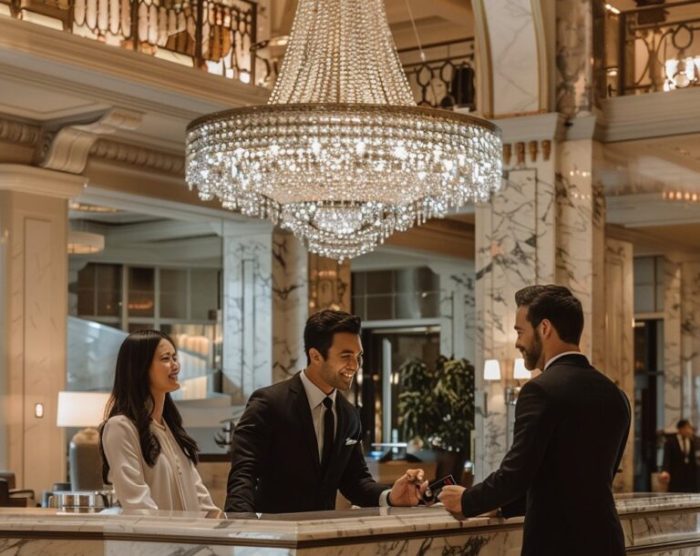
Source: englishwithjanet.com
High-end hotel room rates are shaped by a variety of factors that reflect the value and experience offered to guests. Understanding these rates requires a closer look at the elements that contribute to pricing decisions, the distinctions between different hotel categories, and the influence of seasonal trends on the hospitality industry’s pricing strategy.Several factors influence high-end hotel room rates, including location, amenities, brand reputation, and market demand.
Hotels situated in prime tourist destinations tend to charge higher rates due to increased demand and limited supply. Luxury hotels often provide exclusive services and facilities, such as fine dining, spa treatments, and personalized concierge services, which can justify elevated pricing. Additionally, the hotel’s reputation—often established through customer reviews and awards—plays a critical role in rate setting.
Differences Between Luxury, Boutique, and Premium Hotel Categories
When discussing high-end hotel categories, it is essential to understand the distinctions among luxury, boutique, and premium hotels. Each category offers unique experiences that cater to different preferences and budgets.
- Luxury Hotels: These establishments provide the highest level of service and amenities, often featuring opulent accommodations, gourmet dining, and extensive wellness facilities. Examples include the Ritz-Carlton and Four Seasons, known for their unparalleled hospitality.
- Boutique Hotels: Characterized by their intimate size and unique design, boutique hotels offer personalized service and a distinct atmosphere. They often reflect the local culture and art, providing guests with an authentic experience. Properties like Hotel Indigo and the Ace Hotel exemplify this category.
- Premium Hotels: Offering well-appointed rooms and excellent service, premium hotels are positioned between luxury and standard accommodations. Brands like Hilton and Marriott fall under this category, providing comfortable stays without the extravagance of luxury hotels.
Seasonal Trends Affecting Room Pricing
Room pricing in the hospitality industry fluctuates throughout the year, heavily influenced by seasonal trends. Understanding these patterns can help consumers make informed decisions when booking accommodations.The pricing strategy often aligns with peak seasons, holidays, and major events in a given area. For instance, during the summer months, beach resorts tend to raise their rates due to increased tourist visits.
Conversely, off-peak seasons can lead to significant discounts as hotels aim to attract guests during slower periods.
For instance, ski resorts typically increase prices during the winter holiday season, while urban hotels may see higher rates during conferences or trade shows.
Additionally, special events such as festivals, sporting events, or concerts can drive demand, prompting hotels to raise their rates in anticipation of higher occupancy. Understanding these dynamics can lead to better timing when planning travel, potentially resulting in significant savings.
Comparative Analysis of High-End Hotel Rates
High-end hotels are a staple of luxury travel, offering exclusive experiences that come at a cost. Understanding the differences in room rates across prominent cities known for their luxury accommodations can provide travelers with insights into the market dynamics of high-end hospitality. This analysis aims to showcase the average rates for various hotel types in key regions, illustrating how amenities and location impact pricing.
Room Rates Across Major Cities
Luxury hotel rates can vary significantly from one city to another, influenced by local demand, tourist attractions, and seasonal fluctuations. Below is a table that highlights the average room rates for different types of high-end hotels in major cities known for luxury hospitality.
| City | Luxury Hotel Type | Average Nightly Rate (USD) |
|---|---|---|
| New York City | 5-Star Hotel | $600 |
| Paris | Palace Hotel | $800 |
| Tokyo | Luxury Ryokan | $700 |
| Dubai | Resort Hotel | $900 |
| London | Boutique Hotel | $650 |
The differences in pricing reflect not only the prestige of the hotel brand but also the unique features and experiences they offer.
Variations Based on Amenities Offered
When evaluating high-end hotel rates, amenities play a crucial role in determining the final cost. Hotels that provide a plethora of luxurious features often command higher prices. Key amenities that influence pricing include:
Spa Services
Hotels with in-house spas typically charge a premium for access to wellness treatments and relaxation services.
Dining Options
Establishments featuring Michelin-star restaurants or renowned chefs often reflect higher rates due to the culinary experience provided.
Location
Proximity to attractions, business districts, or scenic views can significantly increase a hotel’s desirability and rate.
Room Features
Suites with private pools, balconies, or panoramic views usually come with elevated pricing.
“A hotel’s value often correlates with the uniqueness and quality of its amenities.”
In summary, the landscape of high-end hotel rates is shaped by a variety of factors, including city location, hotel type, and the range of amenities available. The pricing structures serve as a reflection of both the market demand and the luxury experience that guests can expect.
Booking Strategies for High-End Hotels
Finding the best rates for high-end hotels requires a strategic approach. It’s essential to be proactive in your search, considering various factors that can significantly impact the price and overall experience. This guide offers practical steps and insights into how to navigate the complexities of booking luxury accommodations.
Step-by-Step Guide to Finding the Best Rates
When seeking the best rates for high-end hotels, following a structured approach can yield great results. Here’s a step-by-step guide to assist you in making informed decisions:
- Research Early: Start looking at rates several months in advance. This will allow you to monitor price fluctuations and identify patterns.
- Utilize Comparison Sites: Use hotel comparison websites to get an overview of rates across multiple platforms. Look for consistent pricing and special offers.
- Check Hotel Websites: After finding rates on comparison sites, visit the hotel’s official website. Hotels often provide exclusive deals that are not available elsewhere.
- Subscribe to Newsletters: Sign up for newsletters from hotels and travel sites to receive alerts on special promotions and discounts.
- Be Flexible with Dates: If possible, adjust your travel dates. Rates can vary significantly depending on the season, day of the week, or local events.
- Contact Hotels Directly: A direct phone call can sometimes secure better rates or upgrades. Don’t hesitate to inquire about any ongoing promotions.
- Consider Package Deals: Look for bundled offers that include room, dining, and activities, which can be more economical than booking separately.
Benefits of Booking Directly Through Hotel Websites
Booking directly through hotel websites often provides several advantages that third-party services may not offer. Here’s why it might be worth considering:
“Direct bookings frequently come with added perks like room upgrades, complimentary breakfast, and better cancellation policies.”
The following benefits can enhance your booking experience:
- Best Rate Guarantees: Many hotels promise the best rates available on their websites, often matching lower rates found elsewhere.
- Exclusive Offers: Direct bookings can provide access to special promotions, loyalty points, or additional perks not available through third-party sites.
- Better Customer Service: Dealing directly with the hotel often simplifies communication regarding changes or issues with your reservation.
- Flexible Cancellation Policies: Hotels may offer more lenient cancellation policies for direct bookings, providing greater peace of mind.
Loyalty Programs and Their Impact on Room Rates
Loyalty programs play a significant role in influencing room rates and the overall hotel experience. By joining these programs, guests can unlock various benefits that enhance their stay.The advantages associated with loyalty programs include:
- Discounted Rates: Members often receive exclusive discounted room rates as part of their loyalty program membership.
- Points Accumulation: Every stay typically earns points that can be redeemed for free nights or room upgrades, leading to substantial savings in the long run.
- Tiered Benefits: Higher-tier loyalty program members may enjoy enhanced benefits, such as complimentary services, access to executive lounges, and priority check-in.
- Personalized Services: Hotels often tailor experiences based on a guest’s preferences, making stays more enjoyable for loyal customers.
Impact of Events on Room Pricing
Local events and conventions have a significant influence on hotel room pricing, often leading to marked increases during peak periods. This tendency arises from the basic principles of demand and supply; when a large number of visitors flock to a destination for an event, the demand for accommodations rises sharply. Consequently, hotels adjust their pricing strategies to maximize revenue during these high-demand times.
Hotels implement various methods to effectively manage pricing during peak demand periods. One common approach involves dynamic pricing, where room rates fluctuate based on real-time demand and booking patterns. Additionally, hotels may use advanced revenue management systems that analyze historical data and current market trends to set optimal prices. They also often establish minimum stay requirements during major events, which helps to ensure that they maintain a steady occupancy rate while maximizing revenue.
Key Annual Events Influencing Hotel Pricing
Certain annual events consistently drive fluctuations in hotel pricing, creating notable spikes in room rates. Understanding these key events is essential for both hotel operators and travelers. Here are some of the most influential:
- Conferences and Trade Shows: Events like CES in Las Vegas or the Mobile World Congress in Barcelona attract thousands of attendees, leading to substantial increases in room rates in the vicinity.
- Major Sporting Events: Events such as the Super Bowl or the Olympics bring an influx of visitors, resulting in skyrocketing hotel prices as guests seek nearby accommodations.
- Music Festivals: Events like Coachella or Lollapalooza draw large crowds, causing hotels in the area to raise rates significantly during the festival period.
- Holiday Seasons: Times such as Christmas and New Year’s often see an increase in demand for hotel rooms, especially in tourist hotspots, leading to higher pricing strategies.
- Cultural Events: Festivals like Mardi Gras in New Orleans or the Edinburgh Festival Fringe can dramatically affect hotel pricing, as visitors flock to the region for unique cultural experiences.
“Dynamic pricing empowers hotels to adjust their rates in real-time based on market demand, maximizing revenue potential during peak seasons.”
Customer Expectations and Experiences
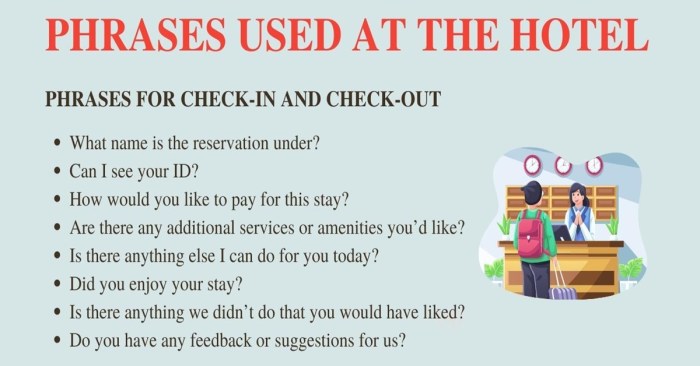
Source: 7esl.com
For guests staying in high-end hotels, the experience goes beyond mere accommodation; it encompasses luxury, comfort, and exceptional service. High-end hotel guests typically expect a level of service and amenities that significantly surpass those found in mid-range hotels. This segment delves into the expectations of such guests, highlighting the key amenities and services that not only justify the higher room rates but also enhance overall satisfaction.
Guest Expectations from High-End Hotels
When guests choose high-end hotels, they anticipate a unique experience characterized by exclusive services and personalized touches. This includes:
- Exceptional Customer Service: Guests expect attentive and personalized service from staff who are trained to meet their specific needs.
- Luxurious Accommodations: Spacious rooms with high-quality furnishings, premium bedding, and stunning views are paramount.
- Top-tier Amenities: High-end hotels often provide amenities such as spas, fine dining restaurants, fitness centers, and concierge services.
- Cleanliness and Maintenance: Immaculate cleanliness and well-maintained facilities are non-negotiable expectations for luxury travelers.
- Exclusive Experiences: Offerings like private tours, exclusive access to events, or unique local experiences contribute to the allure of high-end accommodations.
Amenities and Services Justifying Higher Room Rates
The amenities and services available at high-end hotels play a critical role in justifying the higher room rates. Common offerings include:
- 24/7 Concierge Services: Personal concierge services assist guests with everything from restaurant reservations to event tickets, making their stay seamless.
- Fine Dining Options: Multiple on-site dining establishments often feature renowned chefs and gourmet cuisine, elevating the overall experience.
- Wellness and Spa Facilities: Access to luxury spas offering treatments and wellness programs is a major draw for guests seeking relaxation and rejuvenation.
- Exclusive Amenities: Many high-end hotels offer features like infinity pools, rooftop terraces, and private cabanas that enhance the luxurious feel.
- State-of-the-Art Technology: Modern rooms are equipped with smart technology, high-speed internet, and entertainment systems to ensure comfort and convenience.
Customer Satisfaction Ratings, High-end hotel room rates
When comparing customer satisfaction ratings, high-end hotels generally receive higher scores than their mid-range counterparts. This can be attributed to several factors:
- Service Quality: High-end hotels often have rigorous training programs for staff, leading to superior service delivery that enhances guest satisfaction.
- Attention to Detail: The meticulous attention given to the guest experience in luxury hotels often results in memorable stays, leading to higher satisfaction ratings.
- Positive Reviews: Guests often share their experiences online, and high-end hotels tend to receive more positive reviews due to their ability to meet or exceed expectations.
- Repeat Business: A significant percentage of high-end hotel guests return for future stays, indicating a strong correlation between satisfaction and loyalty.
High-end hotels offer not just a room, but a complete experience designed to cater to the needs and desires of discerning travelers.
Economic Considerations and Trends
Understanding the economic factors that influence high-end hotel room pricing is essential for both consumers and hoteliers. The luxury hotel market is intricately linked to broader economic trends, where fluctuations in global and local economies can significantly impact pricing strategies and consumer behavior. By analyzing these economic considerations, insights can be gleaned regarding how luxury travel trends correlate with room rates.The dynamics of the economy play a critical role in determining the pricing of high-end hotel accommodations.
Factors such as inflation, currency exchange rates, and changes in disposable income directly influence the pricing strategies adopted by luxury hotels. As economies grow, so does consumer confidence, which often leads to increased spending on luxury travel. Conversely, during economic downturns, luxury accommodations may experience a decline in demand, prompting hotels to adjust their rates to attract guests.
Correlation Between Luxury Travel Trends and Room Rates
The interplay between luxury travel trends and hotel room rates is a reflection of consumer behavior and market dynamics. Observing this correlation helps industry stakeholders predict shifts in demand and adjust their offerings accordingly. As luxury travel gains momentum, several trends emerge that can impact room pricing:
- Increased Global Travel: As international travel becomes more accessible, high-end hotels in popular destinations see a rise in occupancy rates, often leading to higher pricing.
- Experience over Materialism: Modern travelers prioritize unique experiences, which can justify higher room rates as guests seek exclusive amenities and personalized services.
- Sustainable Luxury: The demand for eco-friendly accommodations has led some hotels to invest in sustainable practices, which may affect pricing due to higher operational costs.
- Technology Integration: Hotels that adopt advanced technology for a seamless guest experience can charge premium rates, reflecting the added value of innovation.
Economic shifts can also lead to significant changes in consumer spending habits regarding luxury accommodations. The following table summarizes how different economic factors influence luxury hotel pricing and consumer behavior:
| Economic Factor | Impact on Luxury Hotel Pricing | Consumer Behavior Trends |
|---|---|---|
| Economic Growth | Higher room rates due to increased demand | Increased willingness to spend on luxury experiences |
| Inflation | Rising operational costs may lead to higher prices | Price sensitivity may increase; consumers seek value |
| Currency Fluctuations | Impact on foreign travelers’ purchasing power | Demand shifts based on favorable exchange rates |
| Global Events (e.g., pandemics) | Temporary price drops to stimulate demand | Shift to local luxury travel and staycations |
Understanding these economic factors is crucial for luxury hoteliers aiming to adapt their pricing strategies to meet consumer expectations while maximizing profitability.
Future Predictions for High-End Hotel Rates
The landscape of high-end hotel rates is poised for significant transformation over the next decade, influenced by a combination of emerging trends, technological advancements, and a growing emphasis on sustainability. Understanding these factors will be crucial for both hoteliers and customers as they navigate the evolving market.
Emerging Trends Influencing High-End Hotel Pricing
Several trends are anticipated to shape the pricing of luxury hotel accommodations. These trends are largely influenced by changing consumer preferences, economic conditions, and advancements in the hospitality industry.
- Personalization of Services: The demand for tailored experiences will lead hotels to invest in bespoke offerings, driving up rates as guests seek unique stays.
- Experiential Travel: As travelers prioritize experiences over material possessions, hotels offering exclusive packages or unique local experiences may increase their pricing structures.
- Remote Work and Bleisure Travel: The rise of remote work is creating a demand for longer stays, prompting hotels to adjust their pricing based on extended stay models.
Technological Advancements in Pricing Structures
The integration of technology in the hospitality industry is likely to revolutionize traditional pricing strategies. Some of the impactful advancements include:
- Dynamic Pricing Algorithms: The use of artificial intelligence and machine learning will enable hotels to implement real-time pricing adjustments based on demand fluctuations.
- Enhanced Customer Data Analytics: By leveraging data analytics, hotels can better understand customer preferences, allowing them to optimize their pricing strategies and enhance revenue management.
- Blockchain Technology: The potential for blockchain to streamline transactions and enhance transparency could influence how prices are set and adjusted, possibly reducing operational costs.
Impact of Sustainability Initiatives on Room Rates
As the global focus shifts towards sustainability, high-end hotels are increasingly incorporating eco-friendly practices into their operations. This commitment to sustainability may influence room pricing in various ways.
- Investment in Green Technologies: Hotels that adopt sustainable practices may incur higher initial costs, which can be reflected in their room rates to maintain profitability.
- Consumer Willingness to Pay: A growing segment of travelers is willing to pay a premium for eco-friendly accommodations, potentially allowing these hotels to justify higher pricing.
- Regulatory Influence: Government incentives for sustainable practices may encourage hotels to invest in eco-friendly initiatives, impacting their pricing strategies positively or negatively depending on the regulations.
“Luxury is not only about opulence; it’s increasingly about sustainability and experiences that resonate with personal values.”
Closing Summary

Source: islcollective.com
In conclusion, high-end hotel room rates are influenced by a myriad of factors that reflect both market demands and customer expectations. Understanding these elements can enhance your travel experiences, ensuring that you not only find the best deals but also enjoy the luxury you deserve. As the hospitality landscape continues to evolve, staying informed will empower you to make the most of your high-end travel adventures.
Q&A: High-end Hotel Room Rates
What are the main factors affecting high-end hotel rates?
Factors include location, seasonality, amenities, and local events.
How can I find the best deals on luxury hotel bookings?
Consider booking directly through hotel websites, using loyalty programs, or checking for seasonal promotions.
Do high-end hotels offer loyalty programs?
Yes, many luxury hotels offer loyalty programs that provide benefits like discounted rates and exclusive perks.
Are high-end hotel rates affected by local events?
Absolutely, local events can significantly increase demand and consequently elevate room rates during peak times.
What amenities justify the higher rates in luxury hotels?
Common amenities include premium bedding, spa services, gourmet dining, and personalized concierge services.