Eco-friendly hotel in Patagonia Chile offers a unique blend of sustainability and comfort, inviting travelers to experience the breathtaking landscapes of Patagonia while minimizing their ecological footprint. These hotels are designed with nature in mind, utilizing sustainable materials and energy-efficient practices to create an inviting atmosphere that respects the environment.
With a focus on conservation, eco-friendly hotels not only provide a place to stay but also engage guests in meaningful experiences that promote environmental awareness and support local communities. By choosing these accommodations, travelers can enjoy the beauty of Patagonia while contributing to the preservation of its stunning ecosystems.
Eco-Friendly Practices in Patagonia Hotels
Patagonia is renowned for its breathtaking landscapes and rich biodiversity, making it essential for the hospitality industry in this region to embrace eco-friendly practices. Eco-friendly hotels in Patagonia are leading the way in sustainability, utilizing innovative methods to protect the environment while providing guests with a unique and memorable experience. These hotels incorporate sustainable building materials, implement energy conservation techniques, and adopt water-saving technologies to minimize their ecological footprint.
Sustainable Building Materials
Sustainable building materials play a crucial role in the construction and renovation of eco-friendly hotels. Many establishments in Patagonia prioritize using local, renewable resources that reduce transportation emissions and support the local economy. Commonly used materials include:
- Reclaimed Wood: Sourced from local forests or abandoned structures, reclaimed wood brings character and warmth to hotel interiors while reducing the demand for new timber.
- Straw Bales: These are used for insulation, providing a natural and effective way to maintain energy efficiency while minimizing waste.
- Natural Stone: Often sourced from nearby quarries, natural stone blends seamlessly with the surrounding environment and provides durability.
The choice of materials not only influences the aesthetic appeal of the hotels but also ensures a lesser impact on the environment.
Energy Conservation Methods
Patagonia’s eco-friendly hotels are committed to energy conservation by employing various strategies that contribute to sustainability. These methods include:
- Solar Energy: Many hotels utilize solar panels for electricity and heating, capitalizing on the region’s abundant sunlight to power their operations.
- Energy-efficient Lighting: Incorporating LED lighting throughout the property significantly reduces electricity consumption while enhancing the guest experience.
- Smart Thermostats: Automated climate control systems adjust heating and cooling based on occupancy, ensuring energy is used only when necessary.
These energy conservation practices not only lower operational costs but also reduce greenhouse gas emissions, contributing to a healthier planet.
Water-Saving Technologies and Practices
Water scarcity is a pressing concern in many parts of the world, including Patagonia. Eco-friendly hotels implement numerous water-saving technologies and practices to ensure responsible water usage. Effective measures include:
- Low-flow Fixtures: Installing low-flow toilets, showerheads, and faucets significantly reduces water consumption without sacrificing guest comfort.
- Rainwater Harvesting: Some hotels utilize systems to collect and store rainwater for irrigation and non-potable use, minimizing the demand on local water supplies.
- Greywater Recycling: This practice involves treating and reusing water from sinks and showers for landscape irrigation, further conserving freshwater resources.
By adopting these technologies, eco-friendly hotels not only preserve the local water supply but also educate guests on the importance of sustainable water management.
Benefits of Staying in Eco-Friendly Hotels
Choosing eco-friendly hotels not only makes for a unique and enjoyable travel experience but also significantly contributes to environmental sustainability. By opting for accommodations that prioritize eco-friendly practices, travelers can make a positive impact on the beautiful landscapes of Patagonia while enjoying the comforts of modern hospitality.The environmental benefits of eco-friendly accommodations are profound. These hotels typically implement sustainable practices such as energy conservation, water-saving measures, and the use of renewable resources, all of which contribute to reducing their carbon footprint.
For instance, many eco-friendly hotels utilize solar panels and energy-efficient appliances, which help to minimize energy consumption and greenhouse gas emissions. Additionally, these accommodations often focus on waste reduction through recycling programs and composting organic waste, promoting a cleaner environment.
Environmental Benefits
The positive effects of eco-friendly hotels on the environment include several key practices and initiatives:
- Energy Efficiency: Many eco-friendly hotels invest in energy-efficient technologies, such as LED lighting and smart thermostats, which not only reduce electricity use but also lower operational costs.
- Use of Local Resources: Eco-friendly accommodations often prioritize local materials and produce, which decreases transportation emissions and supports local economies.
- Water Conservation: Through low-flow fixtures and greywater recycling systems, these hotels significantly reduce water consumption, which is especially crucial in water-scarce regions.
- Wildlife Protection: Many eco-friendly hotels engage in practices that protect local wildlife and habitats, including responsible landscaping and supporting conservation efforts.
The social impact of supporting local communities through eco-tourism is also significant. Eco-friendly hotels actively engage with their surrounding communities by employing local staff, sourcing products from local artisans, and supporting community initiatives. This not only fosters economic growth within the region but also promotes cultural exchange and understanding between travelers and residents.
Social Impact
The benefits to local communities from eco-friendly hotels can be highlighted through various contributions:
- Job Creation: Eco-friendly hotels often hire locally, providing stable employment opportunities and career training for community members.
- Community Involvement: Many of these hotels engage in initiatives that directly benefit the community, such as sponsoring local events or supporting educational programs.
- Preservation of Culture: By promoting local traditions and crafts, eco-friendly hotels help sustain cultural heritage and encourage travelers to appreciate and respect local customs.
Choosing eco-friendly options can also offer economic advantages for travelers. While it might seem that eco-friendly hotels could be more expensive, many offer excellent value through unique experiences and all-inclusive packages. Moreover, travelers who stay in eco-friendly accommodations often enjoy exclusive access to natural attractions and activities that are not available elsewhere.
Economic Advantages
When considering an eco-friendly hotel, several economic benefits emerge:
- Cost Savings: Many eco-friendly hotels provide discounts for longer stays or for booking directly, which can lead to significant savings.
- Unique Experiences: Travelers often gain access to exclusive eco-tours, workshops, and local experiences that provide additional value and memorable encounters.
- Support for Sustainable Practices: By choosing these accommodations, guests are directly contributing to the sustainability movement, ensuring that future generations can enjoy the beauty of places like Patagonia.
Popular Eco-Friendly Hotels in Patagonia
Source: adventurouskate.com
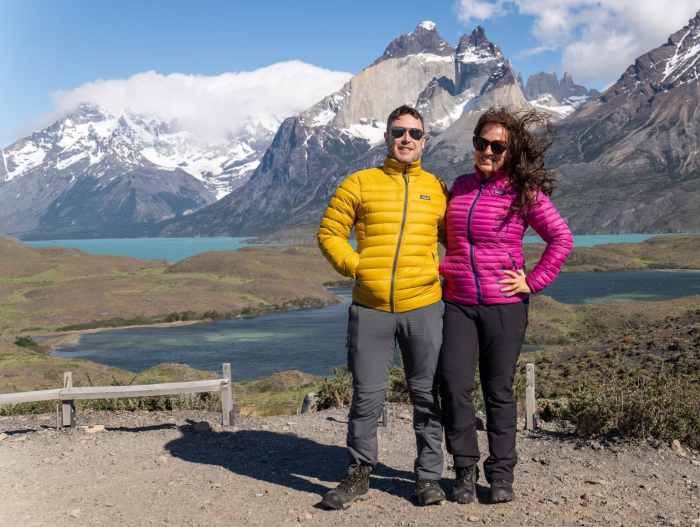
Patagonia, a vast region known for its stunning landscapes and biodiversity, is home to a collection of eco-friendly hotels that embrace sustainability while providing guests with an unforgettable experience. These hotels not only offer comfort and luxury but also prioritize environmentally responsible practices that protect the stunning natural surroundings.The following notable eco-friendly hotels in Patagonia stand out for their unique features, sustainability-focused amenities, and strategic locations near some of the region’s most breathtaking natural attractions.
Notable Eco-Friendly Hotels
The following hotels exemplify what it means to be eco-friendly while providing a memorable stay in Patagonia. Each of these hotels offers distinctive features and sustainable practices.
-
Tierra Patagonia Hotel & Spa
-Nestled in Torres del Paine National Park, this hotel is designed to blend seamlessly with its surroundings. Its architecture reflects the natural landscape, and it utilizes renewable energy sources. The hotel features a spa, organic dining options, and guided excursions into the park, promoting both relaxation and adventure while respecting the environment. -
EcoCamp Patagonia
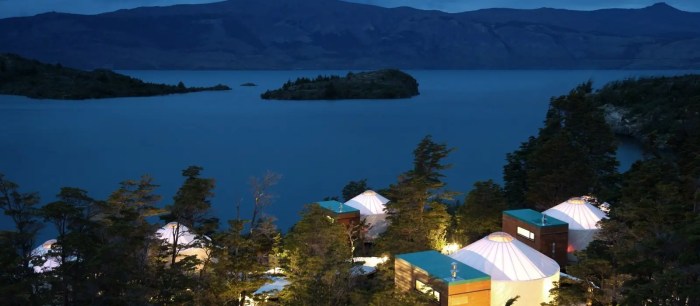
-Located in the heart of Torres del Paine, EcoCamp offers geodesic domes that provide a unique glamping experience. The camp operates on sustainable practices, including waste recycling and the use of solar power. Guests can enjoy local cuisine and participate in eco-tours that support conservation efforts in the area. -
The Singular Patagonia
-This luxury hotel combines modern amenities with a commitment to sustainability. Located in Puerto Bories, it features a spa, local cuisine focusing on seasonal ingredients, and guided excursions to nearby natural attractions. The hotel is committed to minimizing its environmental footprint through energy-efficient practices and local community engagement.
Amenities Promoting Sustainability
The amenities offered by these eco-friendly hotels play a crucial role in their sustainability efforts. Here are some common features that promote eco-conscious living:
- Organic and Locally Sourced Meals: Many hotels prioritize serving organic produce and ingredients sourced from local farms, thus supporting the local economy while minimizing transportation emissions.
- Renewable Energy Use: Several establishments utilize solar panels or wind turbines to power their operations, significantly reducing reliance on fossil fuels.
- Water Conservation Practices: Innovative water-saving technologies, such as low-flow fixtures and rainwater harvesting systems, are commonly implemented to minimize water usage.
- Eco-Friendly Transportation: Many hotels offer shuttle services that use electric vehicles or encourage guests to explore the area through biking or hiking excursions, minimizing carbon footprints.
Geographical Locations and Natural Attractions
The geographical locations of these eco-friendly hotels enhance their appeal, providing easy access to some of Patagonia’s most awe-inspiring natural attractions. Here’s an overview of their locations and nearby sights:
- Tierra Patagonia Hotel & Spa: Situated at the edge of Torres del Paine National Park, guests can enjoy breathtaking views of the iconic mountains and immediate access to hiking trails and wildlife sightings.
- EcoCamp Patagonia: Located within Torres del Paine, this camp offers direct access to scenic trails and viewpoints. It’s an ideal base for exploring the park’s diverse landscapes and ecosystems.
- The Singular Patagonia: Found in Puerto Bories, just a short drive from the fjords of the Last Hope Sound, this hotel serves as a gateway to explore Patagonian glaciers and pristine landscapes.
Activities and Experiences at Eco-Friendly Hotels
Staying at an eco-friendly hotel in Patagonia not only provides a unique accommodation experience but also immerses guests in a myriad of sustainable activities and experiences. These hotels are dedicated to offering guests the opportunity to connect with nature while promoting ecological preservation and community engagement. From adventure tours to wildlife conservation, there’s something for every nature lover.Eco-friendly hotels in Patagonia often curate a range of eco-tours and sustainable activities that not only highlight the region’s natural beauty but also promote responsible tourism practices.
Guests can engage in various activities that prioritize conservation and community support.
Eco-Tours and Sustainable Activities, Eco-friendly hotel in Patagonia Chile
Many eco-friendly hotels organize activities that allow guests to explore the breathtaking landscapes of Patagonia while minimizing environmental impact. These activities often include:
- Guided Nature Hikes: Participants can join guided tours through pristine national parks, learning about local flora and fauna while ensuring the preservation of the ecosystem.
- Wildlife Watching: Guests can embark on excursions to observe local wildlife, such as guanacos, condors, and even elusive pumas, while adhering to respectful wildlife viewing practices.
- Canoeing and Kayaking: Eco-friendly hotels frequently offer canoeing or kayaking experiences on serene lakes and rivers, promoting low-impact exploration of Patagonia’s stunning waterways.
- Cultural Workshops: Many hotels collaborate with local artisans to provide guests with workshops in traditional crafts, which helps sustain local economies and cultural heritage.
Partnerships with Local Conservation Projects
Eco-friendly hotels often establish collaborations with local conservation initiatives and wildlife protection organizations to enhance their sustainability efforts. These partnerships not only help protect the local environment but also involve guests in meaningful conservation work. Examples include:
- Tree Planting Initiatives: Guests can participate in tree planting days that contribute to reforestation efforts and habitat restoration.
- Marine Conservation Programs: Some hotels work alongside marine conservation groups to protect ocean ecosystems, allowing guests to learn about and engage in marine protection activities.
- Wildlife Rehabilitation Efforts: Collaborations with wildlife rehabilitation centers enable guests to witness the efforts involved in rescuing and rehabilitating injured animals.
Guest Involvement in Sustainability Efforts
Guests at eco-friendly hotels are often encouraged to actively participate in sustainability practices during their stay. This involvement not only enhances their experience but also supports the hotel’s commitment to the environment. Some ways guests can get involved include:
- Using Sustainable Transportation: Hotels promote walking, biking, or using electric vehicles for local exploration, which helps reduce carbon footprints.
- Participating in Clean-Up Events: Many hotels organize community clean-up days where guests can join staff in cleaning up local beaches or parks.
- Contributing to Local Projects: Some accommodations offer guests the chance to donate to or volunteer for local environmental projects, furthering their connection to the community.
Cultural and Environmental Awareness
Eco-friendly hotels in Patagonia not only offer stunning views and comfortable accommodations but also play a pivotal role in educating guests about the region’s unique ecosystems and rich cultural heritage. Through various initiatives, these hotels foster a greater understanding of environmental conservation and local traditions, empowering visitors to become more responsible travelers.Eco-friendly hotels distinguish themselves from traditional hotels by integrating sustainability into their core values.
While traditional hotels may focus primarily on providing amenities and services, eco-friendly establishments prioritize environmental awareness and education. This commitment is reflected in their operations, which aim to minimize ecological impact and promote local culture.
Educational Initiatives and Workshops
Eco-friendly hotels often organize workshops and events that focus on sustainability, conservation, and local biodiversity, providing guests with hands-on experiences. These activities not only enhance guest engagement but also deepen their appreciation for the natural and cultural richness of Patagonia. Here are some common initiatives offered by these hotels:
- Nature Walks and Guided Tours: Led by knowledgeable guides, guests can explore the diverse ecosystems of Patagonia while learning about local flora and fauna, as well as the importance of preserving these habitats.
- Cultural Workshops: Many hotels offer workshops that introduce guests to traditional crafts, cooking classes featuring local ingredients, and storytelling sessions that share the indigenous heritage of the region.
- Sustainability Seminars: These seminars educate guests on sustainable practices, such as reducing waste, conserving water, and embracing renewable energy sources, which guests can apply during their stay and beyond.
- Community Engagement Projects: Some hotels collaborate with local communities on conservation efforts, allowing guests to participate in activities like tree planting or wildlife monitoring, fostering a sense of connection and responsibility.
- Environmental Film Screenings: Screening documentaries related to environmental issues, climate change, or local wildlife helps raise awareness and spark discussions among guests.
The emphasis on educational programs not only enhances the guest experience but also contributes to the overall mission of promoting sustainable tourism. By equipping guests with knowledge and practical skills related to environmental stewardship, eco-friendly hotels create a lasting impact that extends far beyond their doors.
Future of Eco-Friendly Hospitality in Patagonia

Source: kikijourney.com
The future of eco-friendly hospitality in Patagonia is poised for exciting developments driven by changing consumer preferences and a growing commitment to sustainability. As travelers increasingly seek environmentally responsible options, the hospitality industry in this breathtaking region must adapt to meet these demands while preserving Patagonia’s unique ecosystems. The implications of these trends extend not only to how hotels operate but also to the broader tourism landscape.Among the key trends shaping eco-friendly tourism are the rise of conscious consumerism and the integration of technology in sustainability efforts.
Travelers are becoming more informed and concerned about their environmental impact, preferring accommodations that demonstrate a genuine commitment to eco-friendly practices. This shift presents an opportunity for hotels to enhance their sustainability initiatives, thereby attracting a dedicated clientele that prioritizes ethical travel choices.
Trends in Eco-Friendly Tourism
The following trends are indicative of the evolving landscape in eco-friendly tourism in Patagonia:
- Increased Demand for Transparency: Guests are seeking detailed information about the sustainability practices of hotels, including waste management, energy consumption, and sourcing of local products.
- Wellness and Nature Retreats: There is a growing trend towards wellness-focused tourism, with hotels offering nature-based experiences that promote mental and physical well-being while emphasizing ecological conservation.
- Local Community Engagement: Travelers are keen on supporting local economies, prompting hotels to collaborate with local artisans and businesses, thereby fostering a sense of community and cultural exchange.
- Eco-Innovation and Technology: The incorporation of advanced technologies, such as solar energy, smart home systems, and water conservation innovations, is becoming essential in hotel operations.
Challenges Facing Eco-Friendly Hotels
Despite the promising trends, eco-friendly hotels in Patagonia face several challenges that could hinder their progress. These obstacles include:
- High Initial Costs: Implementing sustainable practices often requires significant upfront investment in technology, infrastructure, and training, which can be prohibitive for some businesses.
- Regulatory Hurdles: Navigating local regulations on environmental practices can be complex, especially in remote areas where policies may be less developed or inconsistent.
- Seasonal Fluctuations: The tourism industry in Patagonia is heavily influenced by seasonal changes, making it challenging for eco-friendly hotels to maintain consistent operations throughout the year.
- Consumer Awareness: While awareness is growing, not all travelers prioritize sustainability, making it difficult for eco-friendly hotels to compete with traditional accommodations that may offer lower prices.
Innovations Shaping Sustainable Tourism
Innovations in sustainable tourism are expected to play a vital role in the future of eco-friendly hospitality in Patagonia. Some notable advancements include:
- Renewable Energy Solutions: The adoption of solar panels and wind turbines can significantly reduce energy costs and carbon footprints, positioning hotels as leaders in sustainable practices.
- Smart Resource Management: Utilizing smart technologies to monitor and manage water and energy usage can lead to more efficient operations and reduced waste.
- Waste Reduction Programs: Implementing comprehensive recycling and composting systems can minimize environmental impact and promote a culture of sustainability among guests and staff.
- Eco-Certification Programs: Engaging in recognized eco-certification programs can enhance credibility and attract eco-conscious travelers by validating sustainability claims.
As Patagonia continues to embrace eco-friendly practices, the region’s hospitality industry stands at the forefront of a transformative movement that harmonizes tourism with environmental stewardship.
Final Wrap-Up: Eco-friendly Hotel In Patagonia Chile
Source: cloudinary.com
In summary, staying at an eco-friendly hotel in Patagonia Chile not only enhances your travel experience but also supports the vital efforts of conservation and community engagement. As travelers become increasingly aware of their impact, these sustainable options pave the way for a more responsible and fulfilling journey through one of the world’s most pristine environments.
Questions Often Asked
What are the main eco-friendly practices in these hotels?
Eco-friendly hotels typically use sustainable building materials, conserve energy through efficient systems, and implement water-saving technologies.
How do eco-friendly hotels contribute to local communities?
These hotels support local economies by hiring staff from nearby areas, sourcing food and products locally, and promoting cultural experiences.
Are there specific activities guests can engage in at these hotels?
Guests can participate in eco-tours, wildlife conservation projects, and workshops focused on sustainability and local ecosystems.
What amenities can I expect at an eco-friendly hotel?
Expect amenities like organic food options, renewable energy sources, and guided nature excursions that emphasize environmental stewardship.
What challenges do eco-friendly hotels face in Patagonia?
They often encounter challenges such as high operational costs, limited access to sustainable resources, and the need for constant innovation to stay competitive.