Eco-friendly boutique hotels are at the forefront of sustainable tourism, offering travelers a unique blend of luxury and responsibility. These hotels prioritize environmentally conscious practices while maintaining the charm and distinctiveness that boutique accommodations are known for. By integrating eco-friendly principles into their operations, they not only enhance the guest experience but also contribute to the well-being of the planet.
From the use of sustainable materials to innovative technologies, eco-friendly boutique hotels are redefining what it means to travel responsibly. They showcase a commitment to protecting the environment through practices such as energy conservation, waste reduction, and supporting local communities. As more travelers seek out authentic and sustainable experiences, these hotels are becoming increasingly popular and vital in the hospitality industry.
Definition and Importance of Eco-friendly Boutique Hotels
Eco-friendly boutique hotels represent a unique segment of the hospitality industry that combines luxury with sustainability. These establishments focus on providing an exclusive experience while also prioritizing environmental conservation and sustainable practices. The importance of eco-friendly boutique hotels lies not only in their appeal to environmentally conscious travelers but also in their role in promoting sustainable tourism, which aims to minimize the ecological footprint of travel and enhance the local community’s well-being.The principles of eco-friendliness applied in the hospitality sector encompass various practices aimed at reducing waste, conserving resources, and supporting the environment.
Boutique hotels often adopt strategies that include using renewable energy, implementing effective waste management systems, sourcing local and organic food, and providing amenities that reduce water and energy consumption. This conscious approach not only benefits the planet but also enhances the guest experience through unique, locally inspired designs and offerings.
Examples of Eco-friendly Practices Adopted by Boutique Hotels
To illustrate the commitment of eco-friendly boutique hotels to sustainability, several notable practices are commonly implemented in these establishments. Such practices not only reflect their dedication to environmental stewardship but also enhance the overall guest experience. One primary practice includes the use of sustainable building materials. Many eco-friendly boutique hotels incorporate reclaimed wood, recycled steel, and low-VOC paints in their construction and renovation.
This not only minimizes environmental impact but also creates a unique aesthetic that appeals to guests. Additionally, energy-efficient technologies are widely adopted. This may involve the use of solar panels, energy-efficient lighting, and smart thermostats that adjust climate control based on occupancy, significantly reducing energy consumption.Water conservation is another crucial aspect. Many hotels install low-flow fixtures and rainwater harvesting systems, while also promoting towel and linen reuse policies among guests to reduce laundry water usage.The sourcing of food is also prioritized.
Many boutique hotels partner with local farms to provide organic, seasonal produce, thereby supporting local economies and reducing transportation emissions. These hotels often highlight regional cuisine, offering guests a taste of local flavors that reflect the area’s culture and resources.Lastly, eco-friendly boutique hotels often engage in community involvement. This may include supporting local artisans, participating in conservation projects, or hosting educational workshops on sustainability practices, thus fostering a connection between guests and the local community.In conclusion, eco-friendly boutique hotels are pivotal in transforming the hospitality landscape by aligning luxury with environmental responsibility.
Through innovative practices and community engagement, they not only offer unique travel experiences but also contribute positively to the environment and society.
Key Features of Eco-friendly Boutique Hotels

Source: albogroupitaly.com
Eco-friendly boutique hotels are not just about providing a place to stay; they embody a commitment to sustainability and conservation, which resonates with eco-conscious travelers. These hotels combine luxury and personalized service with environmentally responsible practices, creating a unique experience that aligns with modern ecological values.One of the major characteristics that define eco-friendly boutique hotels is their emphasis on sustainability.
This includes the use of renewable energy sources, waste reduction practices, and efforts to support local communities. The hotels often integrate nature into their design, ensuring harmony with the surrounding environment. Additionally, they prioritize guest education on environmental issues, encouraging visitors to engage in sustainable practices during their stay.
Sustainable Materials and Technologies
Eco-friendly boutique hotels commonly utilize a variety of sustainable materials and technologies that minimize their ecological footprint. The choice of materials not only impacts the environment but also enhances the aesthetic appeal of these hotels.
- Recycled and Upcycled Materials: Many hotels incorporate recycled materials in their construction and decor, such as reclaimed wood for flooring and furniture, which adds character while reducing waste.
- Energy-efficient Appliances: The use of energy-efficient lighting and appliances helps reduce energy consumption, often using LED lighting and Energy Star-rated equipment.
- Solar Energy Systems: Solar panels are frequently installed to harness renewable energy, offering an eco-friendly alternative for powering the hotel.
- Water Conservation Technologies: Eco-friendly hotels implement water-saving fixtures like low-flow showers and toilets, along with rainwater harvesting systems to minimize water usage.
- Green Roofing: Some establishments feature green roofs that provide insulation, reduce heat island effects, and support biodiversity by creating green spaces.
Unique Design Elements Enhancing Sustainability, Eco-friendly boutique hotels
The design elements of eco-friendly boutique hotels play a pivotal role in enhancing sustainability while ensuring guest comfort and luxury. These design features often highlight local culture and natural surroundings.
- Biophilic Design: Incorporating elements of nature, such as living walls or indoor gardens, enhances air quality and creates a calming atmosphere.
- Natural Lighting: Large windows and skylights are strategically placed to maximize natural light, reducing the need for artificial lighting during the day.
- Local Artwork and Crafts: Utilizing decor made by local artisans not only supports the community but also provides guests with an authentic experience that reflects the region’s culture.
- Flexible Indoor/Outdoor Spaces: Many hotels design spaces that seamlessly blend the indoors with the outdoors, allowing guests to enjoy the natural environment while minimizing energy use.
- Eco-friendly Landscaping: The landscaping often features native plants that require less water and maintenance, promoting biodiversity and reducing the environmental impact.
Eco-friendly boutique hotels are redefining luxury travel by providing memorable experiences that respect and protect the planet.
Benefits of Staying at Eco-friendly Boutique Hotels
Staying at eco-friendly boutique hotels not only enhances your travel experience but also contributes positively to the planet and local communities. These accommodations prioritize sustainability while offering unique, personalized services that reflect the local culture. Here are some of the key benefits of choosing eco-friendly hotels over traditional options.
Environmental Benefits of Eco-friendly Accommodations
Choosing eco-friendly boutique hotels significantly reduces your carbon footprint, as these establishments often implement various sustainable practices. By staying at these hotels, you contribute to initiatives aimed at conserving natural resources and protecting the environment. Some of the main environmental benefits include:
- Energy Efficiency: Many eco-friendly hotels utilize renewable energy sources such as solar, wind, or geothermal energy, thereby minimizing reliance on fossil fuels.
- Water Conservation: These hotels often employ water-saving fixtures and practices, significantly reducing water waste.
- Waste Reduction: Eco-friendly establishments typically have robust recycling programs and practices in place, diverting waste from landfills.
- Locally Sourced Materials: By using sustainable, locally sourced materials for construction and furnishings, they support local economies and reduce transportation emissions.
Social and Economic Impacts of Supporting Local Eco-friendly Hotels
Staying at eco-friendly boutique hotels can have far-reaching social and economic benefits for local communities. Supporting these hotels often means investing in the local economy and fostering community welfare. Some notable impacts include:
- Job Creation: Eco-friendly hotels frequently employ local staff, promoting job creation and enhancing the local economy.
- Community Engagement: Many eco-friendly boutique hotels engage in community development projects, enhancing social ties and contributing positively to local welfare.
- Promotion of Local Culture: These hotels often showcase local art, cuisine, and traditions, helping preserve cultural heritage and supporting local artisans.
- Environmental Education: By promoting sustainability, these hotels raise awareness about environmental issues among guests and the local population.
Comparative Analysis of Eco-friendly Hotels versus Traditional Hotels
The experience at eco-friendly boutique hotels often stands in stark contrast to that of traditional hotels, providing guests with a deeper connection to their surroundings. Here are some areas where these experiences differ:
- Personalized Guest Experience: Eco-friendly boutique hotels often emphasize bespoke services, ensuring a unique and personalized experience that reflects local culture.
- Atmosphere and Aesthetics: Many eco-friendly hotels have distinctive designs that harmonize with their natural surroundings, creating a more relaxing and immersive environment.
- Quality over Quantity: Rather than focusing on mass tourism, eco-friendly hotels prioritize quality service and guest satisfaction, often resulting in better overall experiences.
- Healthier Choices: Eco-friendly hotels frequently provide organic, locally sourced food options that promote a healthy lifestyle, as opposed to the processed food commonly found in traditional settings.
“Choosing eco-friendly boutique hotels not only enhances your travel experience but also contributes positively to the planet and local communities.”
Popular Eco-friendly Boutique Hotels Around the World
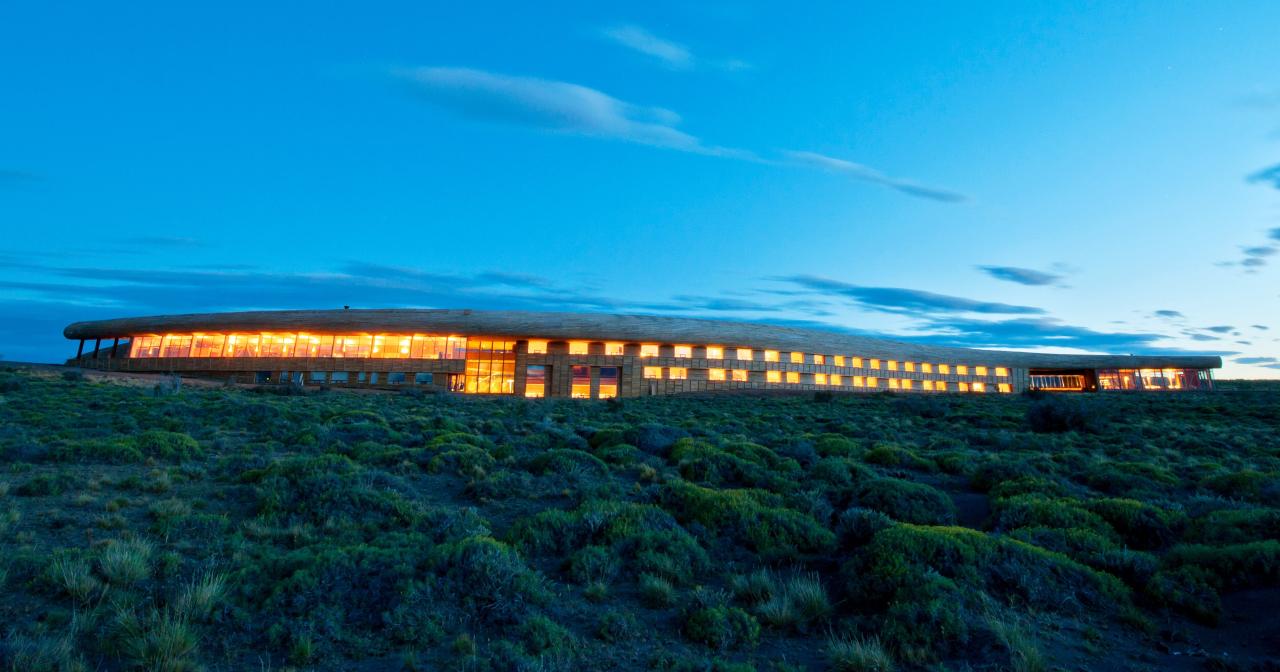
Source: refinery29.com
Eco-friendly boutique hotels are not only about aesthetic charm but also about a commitment to sustainability. These hotels merge unique design and local culture with environmentally friendly practices, providing guests with a memorable experience while promoting eco-conscious living. Here, we explore some of the most notable eco-friendly boutique hotels across various regions, highlighting their unique features and sustainability efforts.
Notable Eco-friendly Boutique Hotels
The following table lists some of the most recognized eco-friendly boutique hotels around the world, showcasing their location, amenities, and sustainability practices.
| Hotel Name | Location | Amenities | Sustainability Practices |
|---|---|---|---|
| The Brando | Tahiti, French Polynesia | Private villas, spa, organic gardens | Solar power, water conservation, permaculture |
| Six Senses Zil Pasyon | Seychelles | Infinity pools, wellness center, local cuisine | Waste reduction, sustainable sourcing, coral restoration |
| Post Ranch Inn | Big Sur, California, USA | Infinity pools, organic dining, spa | Green building practices, energy efficiency, local materials |
| Hotel Verde | Cape Town, South Africa | Air-conditioned rooms, rooftop garden, gym | Water recycling, solar energy, waste management |
| Alila Villas Uluwatu | Bali, Indonesia | Private pools, spa, cultural experiences | Rainwater harvesting, organic gardening, local artisan support |
Guest testimonials often highlight the unique experiences offered by these hotels. For instance, a visitor at The Brando remarked,
“Staying here felt like a dream. The luxury is unparalleled, yet it doesn’t come at the expense of the environment. The staff’s commitment to sustainability was evident in every detail.”
Similarly, another guest at Post Ranch Inn noted,
“The breathtaking views were only matched by the hotel’s dedication to eco-friendly practices. I loved that everything we consumed was locally sourced.”
These experiences underscore the importance of eco-friendly practices in enhancing guest satisfaction and promoting responsible tourism.
How to Choose an Eco-friendly Boutique Hotel: Eco-friendly Boutique Hotels
Selecting the right eco-friendly boutique hotel can significantly enhance your travel experience while also aligning with your values of sustainability. With a growing number of hotels claiming eco-friendliness, it’s essential to know how to distinguish between genuine practices and mere marketing tactics. Here’s a comprehensive guide to help you choose a truly eco-friendly boutique hotel.
Criteria for Selecting an Eco-friendly Boutique Hotel
When evaluating an eco-friendly boutique hotel, consider the following criteria to ensure that your stay contributes positively to the environment and local community. These aspects reflect the hotel’s commitment to sustainable practices and genuine eco-friendliness.
- Sustainable Building Practices: Look for hotels that utilize sustainable materials in construction and renovations, such as reclaimed wood, recycled steel, and low-VOC paints.
- Energy Efficiency: Check if the hotel employs energy-efficient appliances, LED lighting, and renewable energy sources like solar panels to minimize its carbon footprint.
- Water Conservation: Investigate whether the hotel has implemented systems for conserving water, like low-flow fixtures, rainwater harvesting, and greywater recycling.
- Waste Management: A robust recycling and composting program is a good indicator of a hotel’s commitment to minimizing waste.
- Local Sourcing: Hotels that source food and products locally not only reduce transportation emissions but also support the local economy.
Checklist for Evaluating Sustainable Practices
Before making a reservation, you can use the following checklist to evaluate the sustainable practices of a boutique hotel. This list will assist you in determining if a hotel genuinely practices eco-friendliness or merely claims to do so.
- Does the hotel have recognized eco-certifications or eco-labels?
- What specific energy-saving measures has the hotel implemented?
- Are there any programs for guests to participate in sustainability efforts?
- How does the hotel address local environmental issues or community needs?
- What types of amenities promote sustainability (e.g., organic toiletries, recycling bins in rooms)?
Importance of Certifications and Eco-labels
Certifications and eco-labels are crucial for identifying truly sustainable hotels. These markers indicate that a hotel adheres to specific environmental standards and has undergone rigorous assessments. Recognized certifications include LEED (Leadership in Energy and Environmental Design), Green Key, and EarthCheck, among others.
“Certifications serve as a guarantee to travelers that the hotel takes genuine steps towards sustainability, ensuring their experience aligns with eco-friendly values.”
Hotels with these certifications often undergo regular audits and must continually improve their sustainability practices. Relying on recognized eco-labels can help travelers make informed decisions and ensure their stay positively impacts the environment.
Future Trends in Eco-friendly Boutique Hotels

Source: theboutiquevibe.com
As the world increasingly prioritizes sustainability, eco-friendly boutique hotels are evolving to meet the demands of environmentally conscious travelers. The future of this sector looks promising, with innovative practices, technological advancements, and shifting traveler preferences shaping the landscape of hospitality. The eco-friendly boutique hotel sector is witnessing several emerging trends that reflect a commitment to sustainability and enhanced guest experiences.
Innovations such as biophilic design, zero-waste policies, and renewable energy sources are becoming mainstream. These hotels are not just places to stay; they are becoming part of the solution for a healthier planet.
Emerging Innovations in Eco-friendly Boutique Hotels
The integration of new technologies and practices is vital for the evolution of eco-friendly boutique hotels. Innovations are transforming how these hotels operate and interact with guests. Key advancements include:
- Biophilic Design: Incorporating natural elements such as indoor gardens, natural light, and water features, biophilic design enhances guest well-being while promoting sustainability.
- Smart Energy Management: Utilizing IoT (Internet of Things) technology allows hotels to monitor and optimize energy consumption in real-time, reducing their carbon footprint.
- Sustainable Sourcing: Hotels are increasingly sourcing local and organic materials for furnishings and decor, supporting local economies while minimizing transportation emissions.
- Water Conservation Technologies: Innovative systems such as greywater recycling and low-flow fixtures help minimize water use without sacrificing guest comfort.
Technology in Enhancing Sustainability
Technology plays a crucial role in enhancing sustainability within the hospitality industry. The adoption of digital solutions not only improves operational efficiency but also enhances the guest experience. Some notable technological implementations include:
- Mobile Check-in and Room Control: Guests can check in via mobile devices and control room settings like lighting and temperature through apps, reducing unnecessary energy use.
- Virtual Reality Experiences: Virtual tours allow potential guests to experience the hotel before booking, reducing the need for unnecessary travel and promoting informed choices.
- Data Analytics: Hotels are leveraging data analytics to identify patterns in energy consumption and guest behaviors, leading to more tailored and sustainable practices.
Traveler Preferences Influencing Eco-friendly Hotels
As traveler preferences evolve, they increasingly prioritize sustainability in their travel experiences. Research indicates that a significant number of travelers are willing to pay more for eco-friendly accommodations. Some influencing factors include:
- Experiential Travel: Guests seek unique, immersive experiences that connect them to the local environment and culture, favoring hotels that offer sustainability-focused activities.
- Social Responsibility: Many travelers now consider a hotel’s commitment to social and environmental responsibility when making their choices, influencing brands to adopt transparent sustainability policies.
- Health and Wellness: Eco-friendly hotels often incorporate wellness programs, such as organic dining options and wellness treatments, catering to the growing demand for holistic travel experiences.
“The future of hospitality lies in integrating sustainability into every aspect of the guest experience, making eco-friendly boutique hotels not just a trend, but a necessity.”
Case Studies of Successful Eco-friendly Boutique Hotels
The rise of eco-friendly boutique hotels has been a significant development in the hospitality sector, showcasing the positive impact on both the environment and local communities. Through innovative strategies and a commitment to sustainability, these hotels not only provide unique guest experiences but also contribute to the well-being of their surroundings. Here, we explore several case studies that highlight the successful implementation of eco-friendly practices in boutique hotels around the world.
Hotel Verde, Cape Town, South Africa
Hotel Verde is often referred to as Africa’s greenest hotel. Located near the Cape Town International Airport, it has implemented a range of sustainability initiatives that have made a significant impact on the local community. The hotel features energy-efficient design, including solar panels and rainwater harvesting systems. Key strategies employed by Hotel Verde include:
- Energy Efficiency: The hotel utilizes LED lighting, energy-efficient appliances, and advanced building management systems to reduce energy consumption by 60% compared to conventional hotels.
- Water Conservation: The hotel has a rainwater harvesting system that collects and stores rainwater for irrigation and toilet flushing, leading to a 50% reduction in water usage.
- Local Sourcing: The on-site restaurant emphasizes farm-to-table dining, sourcing ingredients from local farms, which supports the local economy and reduces carbon footprints associated with transportation.
The measurable outcomes at Hotel Verde include a significant reduction in operational costs due to lower energy and water bills, as well as positive feedback from guests regarding their experiences focused on sustainability. The hotel has also become a community hub, engaging in local initiatives such as environmental education programs for schools.
Château de Puyrigaud, France
Château de Puyrigaud is an eco-friendly boutique hotel situated in the beautiful countryside of France. This charming hotel has successfully integrated sustainable practices while maintaining its historical charm.Strategies implemented at Château de Puyrigaud include:
- Restoration and Preservation: The hotel has been meticulously restored using environmentally friendly materials, preserving the historical integrity of the building while ensuring modern sustainability.
- Organic Farming: Guests can participate in the hotel’s organic farming initiatives, which not only provide fresh produce for meals but also create an educational experience that promotes sustainable agriculture.
- Waste Reduction: The hotel has implemented a strict recycling program and composting system, diverting over 80% of its waste from landfills.
The impact on the local community has been profound, as the hotel has created jobs, supported local artisans, and become a model for sustainable tourism in the region. Guests often report a deeper connection to nature and the local culture during their stay, which enhances their overall experience.
Treetops Lodge & Estate, New Zealand
Nestled in the heart of New Zealand’s native forest, Treetops Lodge & Estate is a prime example of blending luxury with eco-friendliness. The lodge emphasizes conservation and sustainable practices while providing guests with a unique experience in nature.The strategies that Treetops Lodge employs include:
- Wildlife Conservation: The lodge is actively involved in preserving local wildlife and ecosystems through partnerships with conservation groups, contributing to the protection of native species.
- Luxury with Sustainability: The accommodations are built using sustainable materials and designed to minimize environmental impact, including energy-efficient heating and cooling systems.
- Community Engagement: The lodge supports local communities by sourcing products and services from nearby vendors, fostering economic growth in the region.
The measurable outcomes at Treetops Lodge include increased biodiversity around the property and high guest satisfaction rates, with many praising the lodge for its commitment to both luxury and sustainability. It serves as a leading example of how eco-friendly practices can enhance the guest experience while supporting environmental efforts.
Final Thoughts
In summary, eco-friendly boutique hotels represent a growing movement towards sustainable tourism that benefits both travelers and the environment. By choosing these accommodations, guests not only indulge in unique and luxurious stays but also support practices that promote ecological balance and social responsibility. As we move forward, the future of hospitality looks bright with the commitment to sustainability at its core.
Clarifying Questions
What are eco-friendly boutique hotels?
Eco-friendly boutique hotels are small, unique accommodations that emphasize sustainable practices and environmentally-friendly operations.
How do I know if a hotel is truly eco-friendly?
Look for certifications, eco-labels, and transparency about their sustainable practices and materials used.
What are some common eco-friendly practices in these hotels?
Common practices include using renewable energy, implementing water-saving measures, and sourcing local, organic food.
Are eco-friendly boutique hotels more expensive?
While some may be pricier, many offer competitive rates, especially when considering the overall experience and benefits.
Can eco-friendly boutique hotels accommodate large groups?
Yes, many boutique hotels offer group accommodations, though it’s best to check in advance for availability and arrangements.