Boutique hotel in Seville with historic architecture offers a unique blend of culture and elegance, drawing travelers who seek charm and authenticity in their accommodations. These hotels not only provide luxurious comfort but also serve as a window into the rich architectural heritage of Seville, reflecting the city’s Moorish influences and historical significance. With their distinct characteristics, boutique hotels stand apart from conventional chains, offering a more personalized and immersive experience.
As you explore the intricacies of these establishments, you’ll discover how they capture the essence of Seville’s architectural beauty while delivering exceptional guest experiences. From ornate tile work to lush courtyards, each boutique hotel tells its own story, inviting guests to savor both history and modern luxury.
Introduction to Boutique Hotels in Seville
Boutique hotels are a distinctive segment of the hospitality industry, known for their unique charm, intimate settings, and personalized service. In Seville, a city steeped in rich history and culture, these hotels not only offer comfort but also a glimpse into the architectural grandeur that has shaped the region over centuries. The influence of Seville’s historical architecture is profound, with styles ranging from Gothic to Moorish, all of which create a captivating backdrop for boutique hotels.
These establishments often occupy historic buildings, allowing guests to experience the city’s heritage while enjoying modern amenities. Unlike larger hotel chains, boutique hotels typically feature a smaller number of rooms, which fosters a more personalized and curated experience for guests.
Characteristics of Boutique Hotels
Boutique hotels in Seville are characterized by several unique features that set them apart from their larger counterparts. Understanding these characteristics can enhance a guest’s experience and appreciation for the local culture. One of the primary characteristics of boutique hotels is their focus on design and aesthetics. Each hotel often reflects the local culture and history through its interior decor, which may include traditional Andalusian tiles, handcrafted furnishings, and locally sourced artwork.
Another defining trait is the personalized service offered by boutique hotels. Staff members typically go above and beyond to cater to the individual needs of guests, providing recommendations for local dining, attractions, and experiences that are tailored to each visitor’s preferences. The location of boutique hotels is also a significant factor; they are often situated in vibrant neighborhoods that allow guests to immerse themselves in the local lifestyle.
Guests can easily explore nearby attractions, local markets, and authentic eateries, creating a more genuine travel experience.In addition, boutique hotels often emphasize sustainability and local sourcing. Many establishments partner with local artisans and farmers, ensuring their products and services reflect a commitment to the community. This not only supports the local economy but also enriches the guest experience by providing authentic and high-quality offerings.
“Staying at a boutique hotel in Seville is not just about accommodation; it’s about experiencing the city’s soul in a personalized and intimate setting.”
Architectural Features of Historic Boutique Hotels
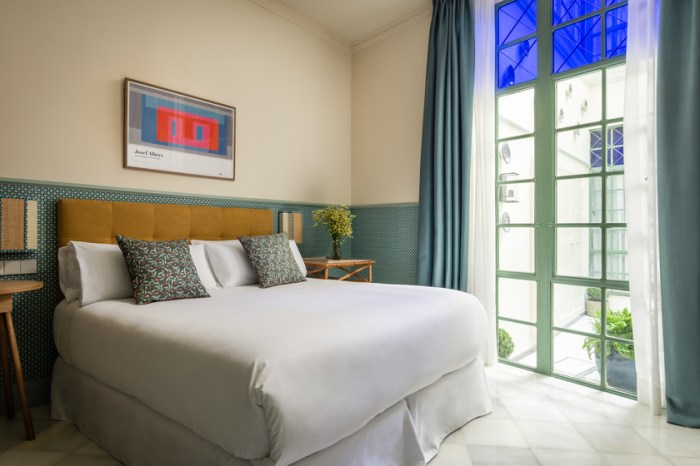
Seville’s boutique hotels are a celebration of the city’s rich architectural heritage, showcasing a blend of styles that reflect its historical significance. These establishments are not just places to stay; they are living museums embodying the artistic and cultural legacy of Seville. Each hotel offers a unique glimpse into the past while providing modern comforts, making them a perfect choice for visitors looking to immerse themselves in the local atmosphere.The architectural styles found in Seville’s boutique hotels primarily encompass Mudejar, Gothic, Renaissance, and Baroque influences.
These styles illustrate how different cultures have intermingled throughout history, contributing to the city’s distinctive charm. The use of intricate tile work, grand arches, and ornate facades are hallmarks of these varied styles, making each hotel a work of art in itself.
Moorish Architectural Elements
Moorish architecture is a defining feature of many historic boutique hotels in Seville. This style, characterized by its unique decorative patterns and structural elements, has roots in the Islamic period of the Iberian Peninsula. The following elements are commonly seen in these hotels:
- Arches: Horseshoe arches are prevalent, often serving as doorways or window frames, adding elegance and grace to the structures.
- Tile Work: Colorful azulejos (ceramic tiles) with intricate geometric designs cover walls and floors, creating stunning visual effects that capture the essence of Moorish artistry.
- Courtyards: Many hotels feature serene inner courtyards, filled with lush vegetation and fountains, providing a peaceful escape and a connection to nature.
- Muqarnas: This architectural feature involves decorative vaulting that resembles stalactites and is often found in ceilings, adding depth and complexity to the interiors.
- Calligraphy and Arabesque: Decorative motifs including Arabic calligraphy and stylized floral designs are frequently incorporated, enriching the aesthetic experience and reflecting the cultural heritage.
Restoration and preservation efforts play a crucial role in maintaining the charm of these historic boutique hotels. By carefully rehabilitating original features and employing traditional craftsmanship, owners ensure that the integrity and character of these buildings remain intact.
“The meticulous restoration of historic buildings breathes new life into Seville’s architectural narrative, marrying heritage with contemporary hospitality.”
Through these efforts, guests can experience the essence of Seville not just as visitors but as participants in a historical journey, enjoying modern comforts set against a backdrop steeped in history. The authenticity of these spaces enhances the overall experience, allowing visitors to connect deeply with the local culture and history.
Popular Boutique Hotels in Seville
Seville, known for its stunning historic architecture and vibrant culture, offers a unique boutique hotel experience that reflects its rich heritage. Travelers looking for a blend of comfort, charm, and authenticity will find numerous options that not only provide luxurious accommodations but also immerse them in the history of this captivating city.These boutique hotels stand out for their distinctive architectural styles and thoughtfully designed interiors that celebrate Seville’s past.
In addition to their aesthetic appeal, they provide a range of amenities and services that cater to modern travelers while preserving the essence of their historic origins.
Notable Boutique Hotels in Seville
The following is a curated list of some of the most popular boutique hotels in Seville, highlighting their historical significance and unique features:
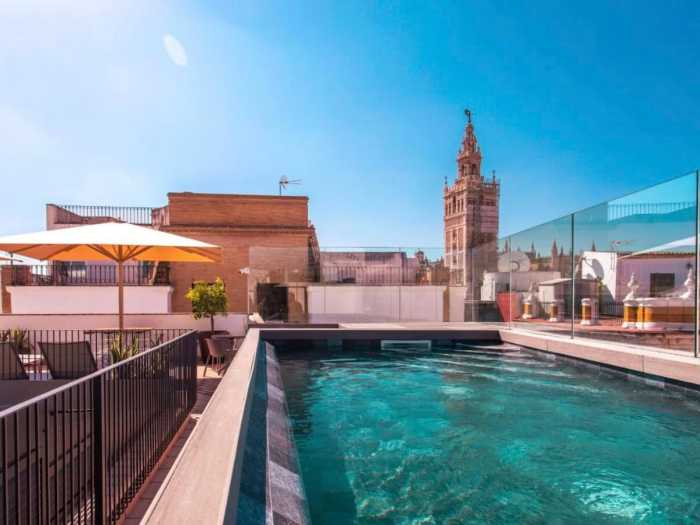
- Hotel Casa 1800: This beautifully restored 19th-century mansion showcases classic Andalusian architecture with a charming interior courtyard. Guests can enjoy a complimentary tea time and stunning views of the Giralda from the rooftop terrace.
- La Casa del Maestro: Located in the heart of the historic Santa Cruz neighborhood, this hotel pays homage to the flamenco tradition. Its design incorporates elements of traditional Spanish decor, and it features an intimate courtyard where guests can unwind amidst lush greenery.
- Hotel Palacio de Villapanés: A former 18th-century palace, this hotel blends Baroque and Moorish architectural influences. Amenities include a rooftop pool, a wellness center, and a restaurant that offers local culinary delights, all set within opulent surroundings.
- Hotel Amadeus & La Musica: This hotel immerses guests in the world of music, with each room themed around a different musical legend. The building itself is a historic 18th-century mansion that features a classic Andalusian patio, providing a serene escape in the bustling city.
Below is a comparison table showcasing each hotel’s location, architectural style, and special services that highlight their historic charm:
| Hotel Name | Location | Architectural Style | Special Services |
|---|---|---|---|
| Hotel Casa 1800 | Near the Cathedral | 19th-century mansion | Complimentary tea time, rooftop views |
| La Casa del Maestro | Santa Cruz neighborhood | Traditional Spanish decor | Intimate courtyard, flamenco homage |
| Hotel Palacio de Villapanés | Historic center | Baroque and Moorish | Rooftop pool, wellness center |
| Hotel Amadeus & La Musica | Near the Alcazar | 18th-century mansion | Music-themed rooms, Andalusian patio |
“Each boutique hotel in Seville offers a unique glimpse into the city’s rich history while providing modern comforts for an unforgettable stay.”
Cultural Influence on Boutique Hotels
Boutique hotels in Seville beautifully encapsulate the essence of the city’s rich cultural heritage through their design, ambiance, and the services they offer. These hotels create a unique experience for guests, allowing them to immerse themselves in the local traditions and artistry that define this historic city. By intertwining contemporary comfort with historic influences, these establishments offer a memorable stay that reflects the spirit of Seville.The design and ambiance of boutique hotels in Seville are heavily influenced by the city’s diverse cultural landscape, which includes Moorish, Gothic, and Renaissance elements.
These hotels often feature intricate tile work, known as azulejos, and ornate wrought-iron balconies that echo the traditional architecture of the region. Furnishings might include locally crafted pieces that showcase the artistry and craftsmanship of Seville’s artisans, blending modern luxury with historic charm. The colors and materials used in these spaces often reflect the vibrant palette of Andalusian culture, incorporating earthy tones, rich textiles, and natural materials that provide a warm, inviting atmosphere.
Local Art and Crafts in Boutique Hotels
Incorporating local art and crafts into the design of boutique hotels not only enhances the aesthetic appeal but also pays homage to Seville’s rich artistic traditions. Many hotels showcase works from local artists, creating an authentic experience that resonates with the cultural identity of the city. This embrace of local craftsmanship fosters a deeper connection between guests and the intricate stories behind each piece.
Some examples of local art and crafts featured in these hotels include:
- Hand-painted ceramic tiles that adorn walls and floors, reflecting traditional Andalusian designs.
- Textiles such as handwoven blankets and cushions that incorporate local patterns and techniques, adding a tactile element to the guest experience.
- Original paintings and sculptures from Seville-based artists, often depicting scenes from the city’s vibrant history and life.
Additionally, boutique hotels frequently host cultural events that celebrate Seville’s history, allowing guests to engage more deeply with the local community. These events can include:
- Flamenco shows featuring local dancers and musicians, showcasing this UNESCO-recognized art form that originated in Andalusia.
- Art exhibitions that highlight the work of local artists, providing a platform for them to share their talent.
- Culinary workshops where guests can learn to prepare traditional Sevillan dishes, immersing themselves in the local gastronomy.
- Historic walking tours organized by the hotel, allowing guests to explore the rich cultural landmarks of Seville firsthand.
- Seasonal festivals that celebrate local traditions, such as Feria de Abril, enhancing the guest experience with lively local culture.
Guest Experience in Historic Boutique Hotels: Boutique Hotel In Seville With Historic Architecture
Staying in a historic boutique hotel offers a unique opportunity for guests to immerse themselves in the charm and culture of their surroundings. These hotels often blend impeccable service with rich architectural heritage, creating an experience that is both personalized and deeply rooted in history. By emphasizing individual attention and curated experiences, boutique hotels provide an environment where guests feel valued and connected to the local narrative.Personalized services play a vital role in enhancing the guest experience in boutique hotels.
Unlike larger chain accommodations, boutique hotels typically focus on tailoring their offerings to meet the specific needs and preferences of their guests. This can include personalized welcome gifts, customized itineraries based on individual interests, and specially trained staff who are well-versed in the local history and culture. By fostering a warm and intimate atmosphere, these hotels encourage guests to interact with staff, who often provide insights into lesser-known historical sites and experiences.
Historical Tours and Experiences Offered
Guests at historic boutique hotels can engage in a variety of tours and experiences that showcase the rich heritage of the destination. These activities not only enhance understanding of the locale but also provide memorable interactions with its history. Some of the unique offerings include:
- Guided architectural tours that explore the unique design and historical significance of the hotel itself, along with surrounding landmarks.
- Culinary experiences featuring traditional dishes prepared using recipes that date back generations, often accompanied by stories about their origins.
- Private or small-group excursions to nearby historical sites, including museums, ancient ruins, or local artisan workshops, led by knowledgeable guides who share captivating tales of the past.
- Art and cultural immersion sessions, where guests can engage with local artists or craftsmen, learning about techniques and historical contexts that shape the region’s artistic identity.
These experiences not only enrich a guest’s stay but also forge a deeper connection to the cultural fabric of the area.
“Staying at the boutique hotel was like stepping back in time. The architecture told stories, and the staff made sure we felt like part of that history.”
A recent guest
Testimonials from guests further highlight the unique experiences that come with staying in historic boutique hotels. Many express how the architecture itself becomes a part of their journey, with intricate details and stories that evoke a sense of wonder. For instance, one guest shared, “The moment I entered the lobby, I was captivated by the beautiful arches and the elegant decor, which reflected centuries of history.
Each corner of the hotel had a story to tell.” Such narratives resonate with travelers seeking not just a place to stay, but a profound experience steeped in the distinctive charm and cultural essence of their surroundings. This personal touch and the allure of historical contexts significantly enhance the overall appeal of boutique hotels, making them a favorite choice for many.
The Role of Boutique Hotels in Sustainable Tourism
Boutique hotels in Seville are not only known for their charm and personalized service, but they also play a pivotal role in promoting sustainable tourism. With the city’s rich historical architecture, these hotels have adopted various sustainable practices that help preserve the integrity of their surroundings while fostering a deeper connection with the community and environment.Boutique hotels in Seville are at the forefront of eco-conscious renovations and sustainable practices aimed at protecting the city’s historical architecture.
By integrating modern technology and sustainable materials, they are maintaining the aesthetic and structural integrity of historic buildings. For instance, many hotels utilize energy-efficient systems, such as solar panels and smart heating, which minimize their carbon footprint while preserving the traditional aesthetics of the architecture.
Sustainable Practices in Boutique Hotels
The sustainability initiatives implemented by boutique hotels are diverse, reflecting a commitment to both environmental responsibility and community engagement. These practices not only enhance the guest experience but also contribute positively to the local ecosystem.
- Energy Efficiency: Many boutique hotels invest in energy-saving lighting and heating systems, ensuring that they operate with minimal environmental impact.
- Water Conservation: Implementing water-saving devices in bathrooms and kitchens helps reduce consumption without compromising guest comfort.
- Locally Sourced Materials: Renovations often utilize locally sourced materials, which not only supports the local economy but also reduces transportation emissions.
- Waste Reduction Initiatives: Hotels engage in recycling programs and composting, significantly reducing waste that goes to landfills.
- Eco-Friendly Amenities: Many hotels offer organic toiletries and cleaning products, aligning with eco-friendly practices.
To maximize their impact, boutique hotels also engage with the local community through various initiatives that promote sustainable tourism. These efforts not only enhance the visitor experience but also foster a sense of community ownership and pride.
- Community Partnerships: Collaborating with local artisans and businesses to offer guests unique experiences, such as guided tours and workshops, supports the local economy.
- Cultural Events: Hosting events that celebrate local traditions and crafts helps preserve cultural heritage while attracting tourists.
- Volunteer Opportunities: Encouraging guests to participate in community service projects enhances their connection to the area and fosters a sense of responsibility.
- Educational Programs: Providing guests with information about local flora and fauna, as well as sustainable practices, encourages responsible tourism.
- Support for Local Conservation Efforts: Many hotels contribute to local environmental organizations, helping with conservation efforts that protect historic sites and natural habitats.
“Boutique hotels serve as a bridge between preserving historic architecture and promoting eco-friendly tourism, ensuring that future generations can experience the rich culture and beauty of Seville.”
Marketing Strategies for Boutique Hotels
Boutique hotels in Seville, with their rich historic architecture, offer a unique charm that can be leveraged effectively through targeted marketing strategies. Crafting a well-rounded marketing plan that highlights these architectural features not only attracts tourists but also enhances the overall guest experience. By utilizing various marketing channels and focusing on the unique selling propositions of these hotels, they can effectively reach their desired audience.A successful marketing plan for boutique hotels should center around their historic characteristics, local culture, and personalized service.
To achieve this, hotels should utilize a mix of traditional and digital marketing strategies that resonate with potential guests. Emphasizing storytelling in marketing materials creates an emotional connection and invites guests to experience the culture and history of Seville.
Social Media Strategies to Showcase Unique Features, Boutique hotel in Seville with historic architecture
Social media platforms serve as powerful tools for showcasing the unique features of boutique hotels. Implementing a cohesive social media strategy can significantly enhance visibility and engagement with prospective guests. Here are key strategies to consider:
1. Visual Storytelling
Utilize high-quality imagery and videos that capture the essence of the hotel’s architecture and its surroundings. Consider featuring stories that highlight the history behind the building or the design elements that reflect local culture.
2. User-Generated Content
Encourage guests to share their experiences on social media platforms using a dedicated hashtag. This not only increases engagement but also provides authentic content that can attract new visitors.
3. Influencer Collaborations
Partner with local travel influencers who can showcase the boutique hotel’s unique features to their followers. Their authentic experiences can inspire their audience to book a stay.
4. Behind-the-Scenes Content
Sharing behind-the-scenes content can intrigue potential guests. Showcasing daily operations, staff interviews, or the meticulous care behind maintaining the historic architecture can foster a connection with the audience.
5. Engagement and Interaction
Regularly engage with followers through comments, polls, and live sessions. This interaction builds a community and keeps the hotel top-of-mind for potential travelers.
Effective Marketing Channels and Their Impact
Identifying the right marketing channels is crucial for maximizing reach and impact. The following table Artikels effective marketing channels for boutique hotels, along with their anticipated impact on attracting visitors:
| Marketing Channel | Impact on Visitor Attraction |
|---|---|
| Social Media Advertising | High engagement through targeted ads, showcasing unique architecture and special offers. |
| Email Marketing | Direct communication about promotions and events, fostering repeat visits. |
| Travel Blogs and Online Reviews | Building credibility through authentic guest reviews and travel stories. |
| and Content Marketing | Improves online visibility, attracting organic traffic through informative content about Seville’s history and attractions. |
| Local Partnerships | Collaborations with local businesses and tourism boards enhance exposure and provide mutual benefits. |
Utilizing these marketing strategies tailored to the historic and unique features of boutique hotels in Seville can lead to increased visibility, higher occupancy rates, and an enriched guest experience. By creatively engaging with potential visitors, these hotels can establish themselves as must-visit destinations in the vibrant city of Seville.
Concluding Remarks
In conclusion, the allure of boutique hotels in Seville with historic architecture lies in their ability to intertwine the past with the present. These unique accommodations not only enhance the travel experience through their architectural charm but also foster a deeper connection to the local culture and community. As more travelers seek authentic experiences, these hotels will continue to play a pivotal role in celebrating Seville’s rich heritage.
FAQ Resource
What defines a boutique hotel?
A boutique hotel is typically a small, stylish hotel that offers personalized services and a unique ambiance, often reflecting the local culture and history.
Are boutique hotels more expensive than larger hotel chains?
While boutique hotels can sometimes be pricier due to their unique offerings and personalized services, they often provide value through their distinct character and experiences.
Do boutique hotels offer amenities similar to larger hotels?
Yes, many boutique hotels offer modern amenities such as Wi-Fi, room service, and concierge services, but with a more personalized touch.
Can I find local art in these hotels?
Absolutely! Many boutique hotels feature local artwork and crafts, showcasing the culture and heritage of Seville.
How do boutique hotels contribute to sustainable tourism?
Many boutique hotels adopt eco-friendly practices, engage with the local community, and focus on preserving historic buildings, promoting sustainability in tourism.