Boutique hotel in Copenhagen with Nordic design offers a unique blend of style, comfort, and cultural richness, drawing visitors from around the world. These hotels encapsulate the essence of Danish aesthetics, where minimalism meets functionality, creating an inviting atmosphere that reflects the vibrant city of Copenhagen.
In this exploration, we delve into the distinctive characteristics of boutique hotels and how their appealing designs set them apart from traditional accommodations. By focusing on Nordic design principles, we’ll uncover the charm and creativity that define these spaces, making them popular choices for travelers seeking an authentic experience.
Overview of Boutique Hotels
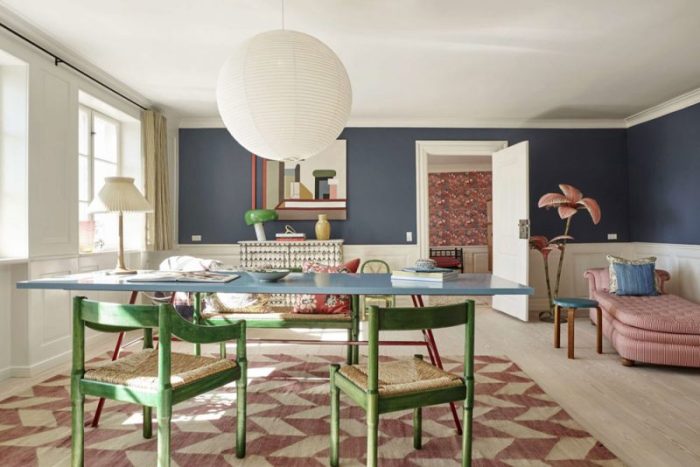
Boutique hotels are unique accommodations that offer a personalized hospitality experience, distinguished by their intimate atmosphere and distinctive design. Typically smaller in size than traditional hotels, these establishments provide a curated experience that reflects the local culture and artistry, making each stay feel special and tailored. The appeal of boutique hotels lies in their ability to provide guests with not just a room, but a memorable experience that blends comfort with style.The charm of boutique hotels is particularly pronounced in urban settings where they often serve as hidden gems amid bustling city life.
Their unique character is derived from a combination of architectural aesthetics, local influences, and attention to detail that larger chains often overlook. Unlike traditional hotels, which may prioritize uniformity and standardization, boutique hotels thrive on individuality. This not only enhances the guest experience but also contributes to the local economy and community by often sourcing decor, food, and services from nearby businesses.
Characteristics of Boutique Hotels
Boutique hotels are characterized by several defining features that set them apart from conventional hotels. Understanding these characteristics enhances appreciation for the boutique experience. Here are some key traits:
- Intimate Size: Boutique hotels typically have fewer than 100 rooms, fostering a cozy and personalized atmosphere.
- Unique Design: Each boutique hotel showcases a distinctive design aesthetic, often reflecting the local culture, history, or artistic influences.
- Personalized Service: Staff members at boutique hotels are usually trained to provide attentive, personalized service, often remembering guests’ preferences and needs.
- Local Flavor: Many boutique hotels incorporate local art, cuisine, and culture into their offerings, creating an authentic experience for guests.
- Specialized Amenities: Amenities may include custom offerings such as spa services, local tours, or unique dining experiences that enhance the overall stay.
Differences Between Boutique Hotels and Traditional Hotels
The differences between boutique hotels and traditional hotels are significant, influencing guest choice based on preferences for experience, style, and service. Here are the notable distinctions:
- Ambiance: Boutique hotels emphasize a unique atmosphere, while traditional hotels often prioritize consistency and uniformity.
- Location: Boutique hotels are commonly situated in vibrant neighborhoods, providing guests with easy access to local attractions, unlike many traditional hotels which may be located in more generic areas.
- Design: The interior design of boutique hotels is often eclectic and artistic, contrasting with the more conventional, predictable designs of larger hotel chains.
- Guest Experience: Boutique hotels focus on creating memorable, individualized experiences, whereas traditional hotels may offer a more standardized service approach.
- Marketing Strategy: Boutique hotels often rely on word-of-mouth and social media for promotion, while traditional hotels may invest heavily in global advertising campaigns.
Nordic Design Principles
Nordic design is characterized by its simplicity, functionality, and connection with nature. The principles that govern this unique aesthetic reflect a cultural emphasis on minimalism and a deep appreciation for craftsmanship, ensuring that every piece is both beautiful and practical. This design philosophy not only enhances the visual appeal of a space but also promotes comfort and usability, making it a hallmark of contemporary interiors.The key elements of Nordic design include minimalism, functionality, and a focus on natural elements.
Minimalism is about stripping away the unnecessary, allowing each item to speak for itself, while functionality ensures that every piece serves a purpose. The use of natural materials and a connection to the surrounding environment are also vital, creating spaces that feel warm and inviting.
Influence of Functionalism in Nordic Design
Functionalism plays a significant role in shaping Nordic design. This approach prioritizes usability and practicality, leading to the creation of furniture and spaces that are not only aesthetically pleasing but also highly functional. The emphasis on craftsmanship and quality materials ensures longevity, aligning with sustainable practices that are integral to Nordic culture.Key aspects of functionalism in Nordic design include:
- Streamlined Forms: Furniture often features clean lines and geometric shapes, promoting a sense of order and calm.
- Versatility: Many pieces are designed for multipurpose use, maximizing space in smaller homes.
- Comfort: Ergonomics are carefully considered in the design process, creating spaces that support the well-being of users.
Use of Natural Materials and Light in Nordic Interiors
Natural materials and light are fundamental components of Nordic interiors, contributing to the overall aesthetic and atmosphere. The choice of materials often reflects the beauty of nature, creating a harmonious connection between the indoors and outdoors. Prominent natural materials include:
- Wood: Commonly used in furniture and flooring, it adds warmth and texture to spaces.
- Stone: Often incorporated in countertops and accents, stone provides a robust and earthy feel.
- Textiles: Materials such as wool and linen are favored for their tactile properties and durability.
Light is equally crucial, especially in regions where daylight can be limited. The design maximizes natural light through large windows and open layouts, creating airy and inviting spaces. The play of light and shadow enhances the beauty of natural materials, enriching the overall design experience.
“In Nordic design, light is not just a physical element; it is a mood influencer that transforms spaces.”
Copenhagen’s Boutique Hotel Scene
Copenhagen boasts a unique and vibrant boutique hotel scene that perfectly encapsulates the essence of Nordic design. With a focus on minimalism, functionality, and natural materials, these hotels offer a fresh and inviting atmosphere that enhances the guest experience. Each hotel not only provides stylish accommodations but also embodies the cultural richness of the city.The following is a list of notable boutique hotels in Copenhagen, each with distinct characteristics that showcase Nordic design elements and contribute to an unforgettable stay.
Notable Boutique Hotels, Boutique hotel in Copenhagen with Nordic design
Understanding the unique features of each boutique hotel helps travelers appreciate what they offer beyond just a place to stay. Here are some exceptional options:
- Hotel SP34: This hotel features a warm and inviting ambiance with a blend of rustic charm and modern elegance. Its design emphasizes natural materials and earthy tones, creating a cozy atmosphere. The hotel’s unique communal dining experience encourages guest interaction while enjoying locally sourced cuisine.
- Nimb Hotel: Located in the iconic Tivoli Gardens, Nimb reflects a magnificent fusion of Nordic and Moorish architectural styles. The luxurious interiors are adorned with intricate details, creating a fairytale-like experience. Guests can indulge in the stunning views of the gardens from their rooms, enhancing the romantic ambiance.
- Hotel Alexandra: This gem showcases a brilliant collection of vintage Scandinavian furniture and design from the 1950s and 60s. The space is vibrant and artistic, inviting guests to appreciate the history of Nordic design. Each room tells a story through its decor, making for a thoughtful and immersive stay.
- Avenue Hotel: This hotel embraces a minimalist aesthetic with an emphasis on functionality. Its Scandinavian-inspired decor features clean lines and a palette of neutral colors, creating a serene atmosphere. The hotel also has a lovely garden courtyard, where guests can unwind and enjoy a moment of tranquility.
- The Skt. Petri: Merging contemporary design with historical architecture, The Skt. Petri is known for its striking interiors and luxurious amenities. The open and airy spaces, highlighted by large glass windows, fill the hotel with natural light, offering breathtaking views of Copenhagen’s skyline.
Guests often highlight the personalized service and attention to detail found in these boutique hotels. The combination of outstanding design and exceptional hospitality creates a memorable experience that embodies the spirit of Copenhagen. Through innovative use of space, these hotels provide not just a place to sleep, but a unique opportunity to immerse oneself in the heart of Nordic culture.
Designing a Nordic-Inspired Boutique Hotel
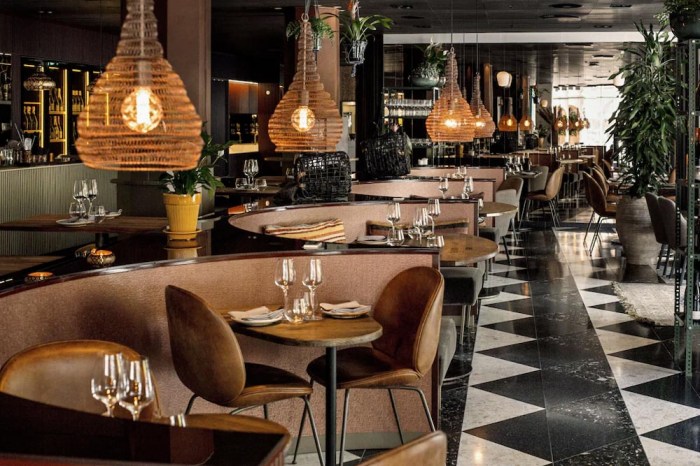
Creating a Nordic-inspired boutique hotel is a unique opportunity to blend aesthetics, comfort, and functionality in a way that reflects the rich heritage of the region. This design approach prioritizes simplicity, natural materials, and an overall philosophy that promotes a sense of well-being and connection to nature. Incorporating these elements will not only provide guests with a memorable experience but also pay homage to the local culture and history of Copenhagen.Emphasizing local culture and history in the design process is crucial to creating an authentic Nordic ambiance.
This involves integrating traditional craftsmanship and regional influences into the hotel’s aesthetic. By doing so, designers can create spaces that are not only visually appealing but also resonate with the stories and heritage of the area. This connection can be made through the use of local art, traditional textiles, and architectural features that reflect Denmark’s rich history.
Essential Design Elements of Nordic Aesthetics
To successfully achieve a Nordic-inspired design, several key elements should be prioritized. These elements create a cohesive and inviting atmosphere that aligns with the principles of Nordic design.
- Natural Materials: Incorporating materials such as wood, stone, and organic textiles fosters a warm and inviting environment. For instance, wooden beams and stone accents can create a rustic charm while remaining modern.
- Neutral Color Palette: Use a palette of whites, greys, and soft earth tones to create a calming and spacious feel. This not only enhances the light in the space but also reflects the natural landscape.
- Minimalist Design: Embrace simplicity by focusing on clean lines and functional furniture. This ethos reduces visual clutter and promotes a serene ambiance.
- Functional Spaces: Design should cater to both comfort and usability. Flexible spaces that can be adapted to various uses, such as social gatherings or quiet retreats, enhance guest experience.
- Natural Light: Maximize the use of natural light through large windows and open layouts, connecting the interior with the surrounding environment.
Incorporating Local Culture in Design
Understanding and reflecting local culture in the design is vital for creating an authentic experience. This can be achieved through various strategies.
- Art and Artifacts: Display local art pieces and historical artifacts that tell the story of the area. This not only beautifies the space but also educates guests about the local culture.
- Regional Textiles: Use textiles that represent traditional Danish craftsmanship, such as wool or linen, in pillows, throws, and upholstery to add warmth and character.
- Architectural Elements: Incorporate traditional architectural styles, like gabled roofs or brick facades, that reflect local heritage and blend seamlessly with the urban landscape.
- Community Collaborations: Collaborate with local artisans and craftspeople to ensure that furniture and decor are sourced from the region, supporting the local economy and creating a genuine connection.
Furniture and Decor Selection Plan
Selecting furniture and decor that embodies Nordic aesthetics requires a thoughtful approach to ensure cohesiveness and authenticity in design.
- Research and Source: Begin by researching local artisans and furniture makers who specialize in Nordic design. Consider visiting local markets to find unique pieces that tell a story.
- Prioritize Functionality: Choose furniture that is not only beautiful but also functional. Multi-purpose pieces can save space and enhance usability within the hotel.
- Consider Comfort: Select furniture that offers comfort and promotes relaxation, such as plush sofas and ergonomic chairs, which align with the Nordic focus on well-being.
- Layer Textures: Incorporate various textures through throws, cushions, and rugs to create warmth and depth within the spaces. This can be done through a mix of materials like wool, linen, and leather.
- Avoid Overcrowding: Maintain open spaces by strategically placing furniture to promote flow and light, adhering to the minimalist design principles of Nordic aesthetics.
Guest Experience in Nordic Boutique Hotels
Nordic boutique hotels are renowned for their commitment to providing exceptional guest experiences, blending comfort, aesthetics, and personalized service. The unique design and thoughtful amenities create an inviting atmosphere that leaves a lasting impression on visitors. This segment explores the elements that enhance guest comfort and satisfaction, detailing the services and amenities commonly offered while emphasizing how the design contributes to the overall experience.
Elements Enhancing Comfort and Satisfaction
A remarkable guest experience in Nordic boutique hotels often hinges on various elements that promote relaxation and well-being. These can include:
- Quality Bedding: Luxurious and comfortable bedding enhances sleep quality, providing a restful retreat for guests. High-thread-count linens and plush pillows are standard features in these hotels.
- Personalized Service: Attentive and knowledgeable staff cater to individual needs, offering tailored recommendations for dining, activities, and local attractions, ensuring guests feel valued.
- Calm Ambiance: Soft lighting, natural materials, and harmonious color palettes create a serene atmosphere that encourages relaxation and minimizes stress.
- Wellness Facilities: Many Nordic boutique hotels include wellness amenities, such as spas or fitness centers, allowing guests to unwind and rejuvenate during their stay.
Common Services and Amenities
Nordic boutique hotels often provide a variety of services and amenities designed to enhance the overall guest experience. Some of these offerings include:
- Complimentary Breakfast: Guests can enjoy a delicious breakfast made from locally sourced ingredients, often featuring traditional Nordic dishes and healthy options.
- Free Wi-Fi: High-speed internet access keeps guests connected, whether for business or leisure, allowing them to share their experiences in real-time.
- Concierge Services: Expert staff are available to assist with travel arrangements, restaurant reservations, and local recommendations, ensuring guests make the most of their stay.
- Unique Design Elements: The design of each hotel is often reflective of local culture, featuring art, furnishings, and decor that showcase the region’s heritage and craftsmanship.
Design Contribution to Overall Experience
The design of Nordic boutique hotels plays a crucial role in shaping the guest experience. Thoughtful architectural choices and interior decor create spaces that are not only visually appealing but also functional and comfortable.
“Design is not just what it looks like and feels like. Design is how it works.”
Steve Jobs
The use of natural materials such as wood, stone, and textiles creates warmth and a sense of place, while large windows often frame stunning views of the surrounding landscapes. The open layouts and minimalistic aesthetics promote a sense of tranquility, allowing guests to escape the hustle of everyday life. Moreover, the incorporation of local artistry not only enhances the visual appeal but also provides guests with a deeper connection to the culture of Copenhagen.
Elements such as handcrafted furniture, local artwork, and traditional textiles contribute to a unique and immersive experience, ensuring that each stay is memorable and distinct.
Sustainability in Nordic Boutique Hotels
Nordic boutique hotels are leading the way in sustainable design practices, reflecting a growing commitment to environmental stewardship. The unique blend of traditional Nordic aesthetics with modern eco-friendly innovations not only enhances the guest experience but also contributes to the preservation of the natural environment. Sustainability is deeply ingrained in the design philosophy of these hotels, making them an attractive choice for conscious travelers.Sustainable design practices in Nordic boutique hotels encompass a variety of strategies aimed at minimizing environmental impact while maximizing aesthetic appeal.
These practices include energy-efficient systems, water conservation techniques, and the use of sustainable materials. The integration of nature into the hotel architecture often showcases the beauty of the surrounding landscape while promoting biodiversity. By prioritizing sustainability, these hotels provide a model for the hospitality industry that balances luxury with ecological responsibility.
Eco-Friendly Materials and Methods
The use of eco-friendly materials and methods is critical in the sustainable design of Nordic boutique hotels. These materials not only reduce the carbon footprint but also enhance the health and wellbeing of guests. The following points illustrate the importance of these practices:
- Natural Materials: Many hotels opt for building materials such as wood, stone, and bamboo, which are renewable and have a lower environmental impact compared to synthetic alternatives. For instance, the use of reclaimed wood reduces deforestation and gives new life to materials that would otherwise contribute to waste.
- Energy Efficiency: Incorporating energy-efficient systems, including LED lighting, smart thermostats, and solar panels, helps hotels significantly reduce energy consumption. A notable example is the Hotel SP34 in Copenhagen, which utilizes a rooftop solar installation to power its operations.
- Water Conservation: Innovative water-saving fixtures, such as low-flow showerheads and dual-flush toilets, are standard in many Nordic hotels. These features not only conserve water but also lower utility costs, benefiting both the environment and the hotel’s bottom line.
- Waste Management: A strong focus on recycling and composting is evident in many Nordic boutique hotels, reducing waste sent to landfills. For example, the Hotel Alexandra in Copenhagen actively promotes recycling and has implemented a zero-waste policy in its operations.
“Sustainability is not just a trend; it’s a necessity for the future of hospitality.”
Industry Expert
Examples of Hotels Implementing Sustainability
Several Nordic boutique hotels exemplify successful sustainability practices, showcasing their commitment to eco-friendly operations. These hotels have integrated innovative solutions that speak to both style and sustainability:
- Hotel Nimb: Located in the Tivoli Gardens, this hotel uses geothermal energy for heating and cooling, significantly reducing its emissions. The landscaping features native plants which require minimal irrigation.
- Hotel Guldagergård: Situated in Denmark, this hotel utilizes straw bales for insulation, which offers excellent thermal performance. Their commitment to sustainable architecture has garnered them recognition in green building circles.
- Hälsingland Hotel: This boutique hotel emphasizes local sourcing for its restaurant, ensuring that ingredients are fresh and reduce transportation emissions. They also practice extensive recycling and composting within their operations.
The integration of sustainable design practices in Nordic boutique hotels not only enhances their appeal but also sets a benchmark for the hospitality industry. By choosing eco-friendly materials and innovative methods, these hotels provide a luxurious experience while preserving the environment for future generations.
Marketing and Branding Strategies
Creating an effective marketing and branding strategy is crucial for boutique hotels, particularly those embracing Nordic design. This approach not only highlights the unique aesthetic appeal but also enhances guest experiences, making the hotel memorable and desirable. Leveraging brand identity through various platforms allows hotels to attract a specific clientele seeking both design and comfort.Utilizing social media and online platforms is essential for promoting a boutique hotel, especially in a visually-driven market.
These platforms provide an opportunity to showcase the hotel’s unique design elements and the overall guest experience. Engaging content that reflects the hotel’s brand identity can be shared across multiple channels, increasing visibility and attracting potential guests.
Effective Branding Strategies for Boutique Hotels
A strong brand is essential in distinguishing a boutique hotel from larger chains. The following strategies can effectively enhance brand identity:
- Visual Identity: Creating a cohesive visual identity that reflects Nordic design principles is vital. This includes a well-designed logo, color palette, and typography that convey a sense of the hotel’s aesthetic.
- Storytelling: Narrating the story behind the hotel’s design and concept can create an emotional connection with guests. Sharing this narrative through various content formats helps build brand loyalty.
- Guest Engagement: Encouraging guest interaction through feedback and user-generated content enhances the brand experience. Highlighting guest reviews and experiences on social media creates authenticity.
Promotion through Social Media and Online Platforms
Social media serves as a primary tool for boutique hotels to connect with a broader audience. The following approaches can optimize promotional efforts:
- Visual Content Creation: Investing in high-quality photography and video that showcases the design and ambiance of the hotel can capture attention on platforms like Instagram and Pinterest.
- Influencer Collaborations: Partnering with travel influencers or lifestyle bloggers can introduce the hotel to their followers, effectively reaching a target audience that values design and unique experiences.
- Targeted Advertising: Utilizing targeted ads on social media can effectively reach potential guests based on their interests, behaviors, and demographics, thus enhancing visibility among the right audience.
Content Strategy Emphasizing Design and Guest Experience
A content strategy focusing on design and guest experience can significantly enhance a boutique hotel’s online presence and appeal. Key elements include:
- Blog Posts: Creating engaging articles that discuss design trends, local attractions, and unique guest experiences can establish the hotel as an authority in the hospitality space.
- Virtual Tours: Developing virtual tours of the hotel can allow potential guests to experience the ambiance before booking, providing them with a sense of familiarity and comfort.
- Email Marketing: Sending curated content through newsletters that highlight design elements, special offers, and local events can keep potential guests engaged and informed.
“A well-executed branding strategy not only defines a hotel’s identity but also enhances the overall guest experience, making it memorable.”
Case Studies of Successful Boutique Hotels in Copenhagen
Boutique hotels in Copenhagen are celebrated for their unique design, intimate atmosphere, and personalized services. Each hotel reflects the essence of Nordic design while providing guests with a memorable experience. This section delves into notable examples of successful boutique hotels in the city, analyzing their design choices, customer feedback, and the valuable lessons they offer for the hospitality industry.
Design Choices of Hotel SP34
Hotel SP34 stands out in Copenhagen’s boutique hotel scene for its blend of contemporary design and vintage charm. The interior features a harmonious mix of natural materials, such as wood and stone, which align with Nordic aesthetics. The lobby welcomes guests with a cozy fireplace and comfortable seating arrangements that encourage social interaction. Each room is meticulously designed, showcasing minimalist furniture paired with vibrant textiles, reflecting a rich Scandinavian heritage.The commitment to sustainability is evident throughout the hotel.
Furniture is often sourced from local artisans, and energy-efficient lighting is used throughout the premises. The hotel’s design not only prioritizes aesthetics but also enhances guest comfort and environmental responsibility.
Customer Feedback and Reviews
Customer feedback is essential for any boutique hotel, and Hotel SP34 has consistently received praise for its exceptional service and unique ambiance. Guests appreciate the warm and welcoming staff who are willing to go the extra mile to ensure a pleasant stay. Reviews often highlight the hotel’s cleanliness, stylish decor, and prime location close to cultural attractions.A recurring theme in reviews is the hotel’s ability to create a home-like atmosphere, making visitors feel at ease.
The availability of communal spaces, such as the rooftop terrace and cozy lounges, fosters a sense of community among guests. This feedback is invaluable in shaping the hotel’s ongoing services and offerings.
“The design and atmosphere of Hotel SP34 made my stay truly unforgettable. I felt like I was living in a beautifully curated art piece!”
Business Practices and Lessons Learned
The success of Hotel SP34 is not just a result of its design and guest reviews; it is also rooted in its innovative business practices. The hotel emphasizes personalized experiences, tailoring services to meet the specific needs of its guests. This approach encourages repeat visits and word-of-mouth referrals.Key business practices that contribute to its success include:
- Flexible Booking Options: The hotel offers a variety of booking options, including last-minute deals and packages that cater to different preferences.
- Community Engagement: Collaborating with local businesses for tours and experiences enhances the guest experience while supporting the local economy.
- Feedback Integration: The management actively encourages guest feedback and uses it to improve services, ensuring that the hotel evolves with guest expectations.
These practices highlight the importance of adaptability and community involvement in the boutique hotel sector. By fostering strong relationships with guests and local businesses, Hotel SP34 exemplifies a model of success that can inspire others in the hospitality industry.
Last Point: Boutique Hotel In Copenhagen With Nordic Design
In summary, Boutique hotel in Copenhagen with Nordic design not only serves as a testament to exceptional hospitality but also as a celebration of aesthetic values and sustainability. These hotels offer guests an unforgettable experience, blending modern comforts with the timeless principles of Nordic design, ensuring each stay is both relaxing and inspiring.
FAQ Corner
What are the typical features of a boutique hotel?
Boutique hotels usually feature unique decor, personalized service, and a smaller number of rooms compared to traditional hotels, creating an intimate atmosphere.
How do Nordic design principles influence hotel interiors?
Are boutique hotels in Copenhagen family-friendly?
Many boutique hotels in Copenhagen offer family-friendly amenities, including spacious rooms, children’s programs, and easy access to local attractions.
What sustainability practices do these hotels adopt?
Hotels often implement eco-friendly practices such as using sustainable materials, energy-efficient systems, and promoting local products to support the community.
How can I find the best boutique hotel in Copenhagen?
Research online reviews, check hotel websites for design features, and consider recommendations from travel forums to find the best fit for your needs.