Historic inn in Quebec City with cobblestone streets sets the stage for this enthralling narrative, offering readers a glimpse into a story that is rich in detail. Quebec City, with its charming medieval architecture and winding streets, invites travelers to step back in time. Historic inns nestled along these iconic cobblestone pathways present a unique opportunity to experience the city’s vibrant culture and history firsthand.
As you wander through the narrow streets lined with centuries-old buildings, the significance of Quebec City’s heritage becomes palpable. The evolution of these cobblestone roads and the historic inns that grace their sides reflect the city’s past and its European influences, making every visit a captivating exploration of culture and tradition.
History of Quebec City
Quebec City, founded in 1608 by Samuel de Champlain, is one of North America’s oldest cities and a significant landmark in Canadian heritage. Nestled along the St. Lawrence River, its rich history reflects a tapestry of Indigenous culture, European colonization, and vibrant development into a modern urban center. The city’s historical importance is accentuated by its designation as a UNESCO World Heritage Site, showcasing its unique charm and enduring legacy.The evolution of Quebec City’s architecture mirrors its historical journey, prominently featuring its iconic cobblestone streets and historic inns.
The streets, initially laid down in the early 17th century, served as vital trade routes and hubs of social activity. These cobblestone paths, crafted from local stone, add to the city’s unique aesthetic and historical authenticity. The architecture, characterized by a blend of French and British styles, showcases significant structures such as the Château Frontenac and the Citadel. These buildings not only reflect the artistry of their time but also tell the story of Quebec City’s resilience and adaptation throughout the centuries.
Influences of European Settlers
The urban layout and overall development of Quebec City have been profoundly influenced by European settlers, particularly the French. The strategic positioning of the city upon a prominent bluff allowed for defense against potential invasions and facilitated trade and governance. As settlers established homes and institutions, the architectural landscape began to take shape. The establishment of key structures and public spaces is a testament to the French influence, with significant elements including:
- The Basilica of Notre-Dame de Québec: A masterpiece of French Baroque architecture, this basilica is the oldest church in North America north of Mexico, reflecting the deep-rooted Catholic heritage brought by French settlers.
- The Plains of Abraham: This historic site, known for the pivotal battle in 1759 during the Seven Years’ War, became a focal point for military and civilian life, illustrating the city’s strategic significance.
- Historic Inns: Establishments such as Auberge Saint-Antoine echo the hospitality traditions of Europe, offering insight into the social fabric of early Quebec and the blend of cultures that arose from colonialism.
Through these architectural and urban developments, Quebec City has preserved a distinctive identity that merges its European roots with the unique characteristics of its North American context. This blend not only enriches the city’s historical narrative but also creates a living museum that draws visitors from around the globe, eager to explore its cobblestone streets and historic sites.
The rich tapestry of Quebec City’s history is woven with the influences of its European settlers, creating a unique blend of culture, architecture, and heritage that endures to this day.
Characteristics of Historic Inns
Historic inns in Quebec City are cherished for their unique charm, which reflects the rich cultural tapestry of the region. These accommodations offer more than just a place to stay; they provide an immersive experience steeped in history. Guests can expect to find a warm atmosphere, exceptional service, and a plethora of features that celebrate the heritage of the city.The architectural styles of these historic inns often showcase a blend of European influences, particularly French and British, which are evident in their design elements.
Many inns boast features such as exposed wooden beams, ornate moldings, and stone exteriors that speak to the craftsmanship of bygone eras. The historical context of these structures often ties back to the colonial period, showcasing the evolution of Quebec City through their architecture.
Typical Features and Amenities
Guests visiting historic inns in Quebec City can enjoy a range of features and amenities that enhance their stay. These establishments often blend modern comforts with traditional aesthetics, creating a unique atmosphere. Some common amenities include:
- Cozy Bedrooms: Many inns feature individually decorated rooms with antique furnishings, plush bedding, and modern en-suite bathrooms that retain a vintage charm.
- Complimentary Breakfast: A typical offering includes a selection of local pastries, fresh fruits, and artisanal coffee, allowing guests to start their day with a taste of Quebec’s culinary delights.
- Free Wi-Fi: While steeped in history, most inns provide modern conveniences like high-speed internet access to keep guests connected.
- Unique Common Areas: Historical lounges or libraries with period decor invite relaxation and social interaction among guests.
- On-Site Dining: Many historic inns have an on-site restaurant serving dishes that feature local ingredients and traditional recipes.
Architectural Styles and Historical Context
The architectural styles found in Quebec City’s historic inns range from the classic French colonial to Victorian and more contemporary interpretations. These styles are significant in understanding the city’s history, as they reflect the cultural influences and adaptations over time. For instance:
French Colonial Style
Characterized by steep pitched roofs, wide verandas, and symmetrical facades, this style is a nod to the city’s French heritage and often features brick or stone construction that stands the test of time.
Victorian Style
Exhibiting intricate woodwork, gabled roofs, and decorative elements, Victorian inns symbolize the affluence and artistic expressions of the late 19th century.The preservation of these historic buildings is critical not only for maintaining the aesthetic integrity of Quebec City but also for promoting tourism and education about the area’s history. Preservation efforts often include:
- Restoration Projects: Many inns are part of larger efforts to restore and maintain historical buildings, ensuring they meet modern safety standards while preserving their original character.
- Local Legislation: Government policies often protect architectural heritage, offering incentives for restoration and maintenance of historic properties.
- Community Involvement: Local organizations frequently engage communities in heritage conservation initiatives, fostering appreciation for the historical significance of these inns.
Preservation of historic inns contributes to a sense of identity and continuity, allowing visitors to experience the authentic charm of Quebec City while enjoying the comforts of modern hospitality.
Cobblestone Streets of Quebec City
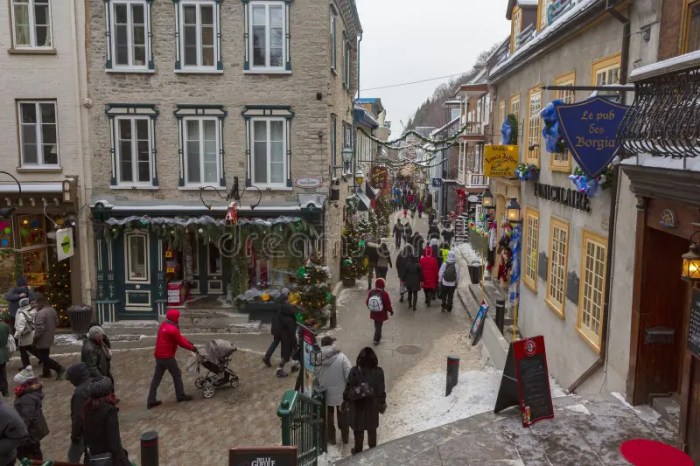
The cobblestone streets of Quebec City are not just pathways; they are the lifeblood of the city’s rich heritage. These charming stones tell the tale of a bygone era, where horse-drawn carriages clattered along the roads, and the air buzzed with the sounds of bustling markets. Walking through these streets offers a unique glimpse into the city’s history, connecting visitors to the very foundation of Quebec’s culture.These historic streets hold significant value for both tourism and local culture.
They serve as a picturesque backdrop for countless visitors who wander through the Old Quebec area, a UNESCO World Heritage site. The cobblestones evoke a sense of nostalgia and authenticity, enhancing the visitor experience while also fostering a strong community identity. Local businesses thrive along these thoroughfares, offering artisanal goods, delicious cuisine, and vibrant cultural experiences that all contribute to the local economy and cultural tapestry.
Best Cobblestone Streets to Explore
Exploring Quebec City’s cobblestone streets is an adventure that immerses you in the historical and cultural essence of the city. Here are some must-visit streets that showcase the charm and character of Quebec:
- Rue du Petit-Champlain: As one of the oldest commercial streets in North America, this enchanting lane is lined with quaint boutiques and cafés, making it a perfect spot for leisurely strolls and shopping.
- Rue Saint-Jean: This lively street connects the Old City to the upper town, bustling with shops, restaurants, and art galleries. It reflects the vibrant life of Quebec and its residents.
- Place Royale: Nestled in the heart of Old Quebec, this historic square is surrounded by stunning architecture and is a fabulous location for taking in the ambiance of the city.
- Rue de la Fortress: Offering breathtaking views of the St. Lawrence River, this street adds a picturesque element to your exploration, especially at sunset.
- Rue Sous-le-Fort: A hidden gem, this narrow street is steeped in history, featuring charming homes and revealing the quieter side of Quebec City.
The cobblestone streets of Quebec City are more than just beautiful; they are integral to the city’s identity. A walk through these historic paths is an invitation to experience the fusion of history and modernity, with each stone echoing stories of the past while paving the way for future generations.
Cultural Attractions Near Historic Inns
Quebec City is a treasure trove of culture and history, perfectly complemented by its charming historic inns. Staying in one of these inns allows visitors to immerse themselves in the rich heritage that surrounds them. The city’s cobblestone streets lead to numerous cultural attractions that enhance the experience of any traveler seeking to explore the heart of Quebec.Among the highlights are an array of museums, parks, and historic sites that not only showcase the artistic and historical significance of the region but also host a variety of local events and festivals.
Below are some must-visit cultural attractions located near the historic inns, ensuring that guests can easily access and enjoy these enriching experiences.
Key Cultural Attractions
The cultural landscape of Quebec City is vibrant and diverse. Below is a list of key attractions that are well worth a visit while staying in a historic inn:
- Musée de l’Amérique francophone: This museum delves into the history and culture of French-speaking communities in North America. With engaging exhibits and artifacts, it provides a deep understanding of the region’s cultural identity.
- Plains of Abraham: A historic park that was the site of pivotal battles between the French and British empires. Visitors can stroll through the lush green spaces, explore monuments, and enjoy seasonal events.
- Old Québec (Vieux-Québec): A UNESCO World Heritage site that embodies the city’s historical significance with its well-preserved architecture, quaint shops, and lively street performances.
- Citadel of Quebec: This fortress offers stunning views of the city and the St. Lawrence River. Guided tours reveal its military history and architectural marvels.
- Musée national des beaux-arts du Québec: Showcasing Quebec’s art scene, this museum features collections from the 17th century to contemporary works, making it a must-see for art enthusiasts.
Local events and festivals throughout the year allow visitors to experience Quebec City’s culture in a lively manner. Notable examples include:
- Winter Carnival (Carnaval de Québec): Held every January, this festival is one of the largest winter celebrations in the world, featuring ice sculptures, parades, and various outdoor activities.
- Festival d’été de Québec: A summer music festival that attracts international artists and crowds, transforming the city into a vibrant hub of musical performances.
- New France Festival: Celebrated in August, this event transports visitors back to the 17th and 18th centuries, featuring period costumes, food, and activities that celebrate the city’s colonial heritage.
“Quebec City is not just a destination; it’s an experience filled with rich history and culture that resonates through its streets and attractions.”
Culinary Experiences in Quebec City
Quebec City is a culinary haven that offers an impressive array of dining options, from traditional French fare to innovative local cuisine. Staying at a historic inn provides guests with an opportunity to immerse themselves in the region’s rich culinary tapestry while enjoying the charm of cobblestone streets and centuries-old architecture. The culinary experiences available range from casual cafés to upscale restaurants, each showcasing the distinctive flavors and culinary traditions that define Quebec.The city’s culinary scene celebrates local ingredients and flavors, allowing visitors to indulge in a variety of cuisines.
The vibrant food culture is influenced by the province’s history, geography, and multicultural community. Many historic inns are situated near renowned dining establishments, providing easy access to some of the best culinary experiences Quebec City has to offer.
Cuisine Types and Notable Culinary Spots
Quebec City’s dining options are diverse, featuring a blend of traditional and contemporary dishes. Visitors can enjoy everything from poutine and tourtière to gourmet seafood and artisanal pastries. Here is a brief overview of some notable restaurants and cafes that embody the local flavors:
- Le Champlain: Located in the iconic Fairmont Le Château Frontenac, this restaurant offers an upscale dining experience with a menu that highlights Quebec’s finest ingredients.
- La Boulangerie Maison de la Poutine: This casual eatery is famous for its poutine, a quintessential Quebec dish that features fries, cheese curds, and gravy.
- Restaurant Légende: A culinary gem that focuses on local and seasonal ingredients, Légende offers a modern twist on traditional Quebec cuisine.
- Café de la Paix: A charming café that serves delicious pastries and local coffee, perfect for a leisurely breakfast or afternoon treat.
In addition to the wonderful dining options, Quebec City is home to various food tours and culinary events that allow visitors to explore the local culinary scene in depth. Participating in these experiences can enhance your stay at a historic inn.
Food Tours and Culinary Events
Food tours in Quebec City provide an enjoyable way to discover local delicacies while engaging with knowledgeable guides. These tours often include visits to markets, artisanal food shops, and hidden gems that highlight the region’s culinary strengths. Some popular tours include:
- Old Quebec Food Tour: Experience the history and flavors of Old Quebec with a guided tour that includes tastings from local vendors and restaurants.
- Chocolate and Pastry Tour: Delight your taste buds with a sweet exploration of Quebec’s best chocolatiers and pastry shops.
- Craft Beer Tasting Tour: Explore the burgeoning craft beer scene with stops at local breweries and pubs, sampling a variety of unique brews.
Culinary events such as the Quebec City Summer Festival and the Winter Carnival also play a significant role in showcasing the region’s food culture. These events often feature local vendors, cooking demonstrations, and tastings, creating an immersive experience for food lovers.
Experiencing the local cuisine is an essential part of visiting Quebec City, making it a true feast for the senses.
Visitor Experiences and Testimonials
Staying in a historic inn in Quebec City is more than just a night’s rest; it’s an immersion into the city’s rich tapestry of history and culture. Visitors often express that their experiences go beyond mere accommodation, creating lasting memories amid the charming ambiance these inns provide. Travelers frequently share how the unique architecture and warm hospitality have enhanced their stay, making it feel like a home away from home.The testimonials from guests reveal a common appreciation for the authentic atmosphere found in these historic inns.
Many highlight the quaint interiors, with their exposed brick walls and vintage furnishings, which evoke a sense of nostalgia. Moreover, the personalized service offered by innkeepers often stands out, creating an intimate experience that larger hotels cannot replicate.
Shared Experiences and Sentiments
The emotional resonance of staying in a historic inn is often reflected in the heartfelt testimonials left by visitors. Many guests share remarkable stories, emphasizing the joyous moments spent within these inviting spaces. Here are some recurring themes expressed by travelers:
-
“The warmth of the innkeeper made us feel like part of the family.”
Personal connections with staff create a welcoming environment that guests cherish.
-
“Waking up to the sound of horse-drawn carriages on the cobblestone streets was like stepping back in time.”
The unique location enhances sensory experiences, inviting visitors to appreciate the charm of the city.
-
“Each room tells a story; it felt like we were in a living museum.”
The rich history and individual character of each room contribute to an immersive experience.
-
“Sipping coffee in the garden surrounded by centuries-old architecture was pure magic.”
The picturesque settings often leave a lasting impression on guests, elevating their stay.
Through these shared experiences, it’s evident that the charm and ambiance of historic inns in Quebec City create a meaningful backdrop for memorable moments. Visitors often find themselves enchanted not just by the physical space but by the unique narratives and connections that unfold within these walls. The combination of warm hospitality, historic allure, and captivating surroundings ensures that a stay at a historic inn is an experience to be cherished long after leaving.
Recommendations for Travelers
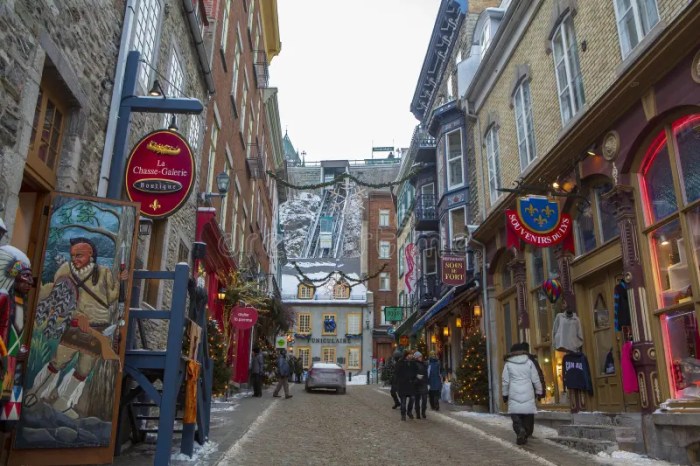
Traveling to Quebec City offers a unique opportunity to immerse yourself in a rich history, vibrant culture, and stunning architecture. Historic inns, nestled along the cobblestone streets, provide the perfect blend of charm, comfort, and a touch of nostalgia. This section highlights some of the best historic inns in the city, along with their unique offerings, to help you make memorable choices for your stay.
Historic Inns in Quebec City, Historic inn in Quebec City with cobblestone streets
This list showcases a selection of historic inns in Quebec City, each with its own unique offerings that cater to different tastes and preferences.
- Auberge Saint-Antoine – Located in the Old Port district, this inn combines heritage with modern luxury. Guests can enjoy exquisite dining options and a collection of artifacts from Quebec’s history within the premises.
- Le Château Frontenac – A landmark in itself, this grand hotel offers unparalleled views of the St. Lawrence River. The hotel’s luxurious amenities include a spa, fine dining, and a rich history worth exploring.
- Auberge Les Terrasses – This cozy inn features charming rooms with stunning views of the city and river. Its intimate atmosphere is perfect for couples and those looking for a peaceful retreat.
- Auberge du Tresor – Nestled in the heart of Old Quebec, this inn provides guests with a taste of local culture and cuisine. It’s known for its welcoming staff and cozy breakfast area.
Amenities and Pricing Comparison
Understanding the amenities and pricing can help travelers choose the right historic inn for their stay. The following table summarizes key features of the inns mentioned above:
| Inn Name | Amenities | Price Range (per night) |
|---|---|---|
| Auberge Saint-Antoine | Restaurant, Spa, Artifacts Exhibit, Free Wi-Fi | $250 – $400 |
| Le Château Frontenac | Fine Dining, Spa, Rooftop Pool, Concierge Services | $300 – $700 |
| Auberge Les Terrasses | Scenic Views, Free Breakfast, Cozy Lounge | $150 – $250 |
| Auberge du Tresor | Local Cuisine, Free Wi-Fi, Friendly Staff | $180 – $320 |
Travel Tips for Visiting Quebec City
Timing your visit and knowing what to expect can significantly enhance your experience in Quebec City. The following tips will ensure a smooth and enjoyable stay.
- Consider visiting during the fall (September to November) when the leaves change color, creating stunning scenery across the city.
- The winter months (December to February) offer a magical atmosphere, especially during the Winter Carnival, though be prepared for colder temperatures.
- Spring (April to June) brings blossoming flowers and cultural festivals, making it a lively time to explore.
- Summer (July to August) is popular with tourists; expect crowded attractions but also vibrant street performances and outdoor events.
Traveling in the off-peak seasons can provide a more authentic experience, allowing for quieter exploration of the historical sites and local culture.
Stay informed about local events, and don’t hesitate to ask your innkeeper for personalized recommendations to enrich your experience in this historic city.
Conclusion: Historic Inn In Quebec City With Cobblestone Streets
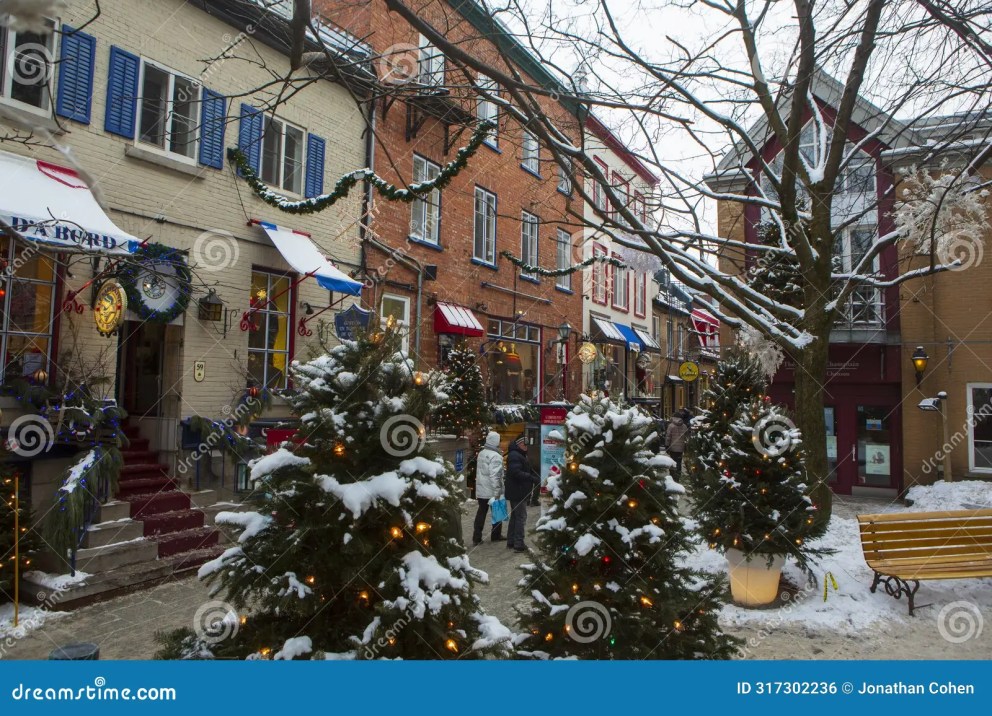
In summary, a stay at a historic inn in Quebec City offers not just accommodation but an immersive experience that connects visitors with the city’s rich history. With charming architecture, culinary delights, and cultural attractions at every turn, the allure of cobblestone streets beckons travelers to discover the magic of Quebec City. Whether you’re exploring the local museums or indulging in the cuisine, your journey will undoubtedly be filled with unforgettable memories.
Answers to Common Questions
What are the check-in and check-out times at historic inns?
Typically, check-in is around 3 PM and check-out is by 11 AM, but it’s best to confirm with the specific inn.
Are there any pet-friendly historic inns in Quebec City?
Yes, some historic inns do allow pets; it’s advisable to check in advance for specific policies.
What is the average price range for staying in a historic inn?
Prices can vary widely, generally ranging from $100 to $300 per night depending on the season and amenities offered.
Do historic inns offer breakfast?
Many historic inns provide complimentary breakfast, but it’s recommended to verify during your booking.
How can I best explore the cobblestone streets?
Walking tours are a fantastic way to explore, as they offer insights into the history and architecture of the area.