Jungle eco lodge in Borneo with orangutan tours sets the stage for this enthralling narrative, offering readers a glimpse into a story that is rich in detail and brimming with originality from the outset. Nestled in the heart of Borneo’s lush rainforests, these eco lodges blend comfort with sustainability, allowing visitors to immerse themselves in the vibrant ecosystem while enjoying modern amenities.
With a commitment to conservation and community, guests can explore the wonders of the jungle, including close encounters with the magnificent orangutans that call this region home.
Overview of Jungle Eco Lodges in Borneo
Jungle eco lodges in Borneo offer a unique blend of adventure, comfort, and conservation, nestled amidst the lush rainforests that are home to one of the most biodiverse ecosystems on the planet. These lodges provide an immersive experience that allows travelers to connect with nature while supporting sustainable tourism practices that benefit both the environment and local communities.The unique features of jungle eco lodges in Borneo include their strategic locations within pristine rainforests, providing guests with direct access to stunning landscapes and diverse wildlife.
Many lodges are designed with natural materials that blend seamlessly into the environment, featuring open-air structures that encourage the flow of fresh air and natural light. This eco-friendly architecture not only enhances the guest experience but also minimizes the ecological footprint of the lodges. Additionally, many of these lodges offer guided tours and activities centered around the rich biodiversity of Borneo, including wildlife spotting excursions, night walks, and educational programs on local flora and fauna.
Unique Features of Jungle Eco Lodges
Jungle eco lodges in Borneo are distinguished by several key features that enhance the overall experience for guests. These features include:
- Natural Building Materials: Most lodges utilize bamboo, wood, and other sustainable materials sourced locally, which helps to minimize environmental impact.
- Wildlife Observation: Guests often have the chance to see orangutans, proboscis monkeys, and various bird species right from their lodges or during guided tours.
- Local Cultural Experiences: Many lodges incorporate local traditions into their offerings, providing guests with the opportunity to learn about indigenous cultures and practices.
- Eco-friendly Amenities: Facilities typically include solar-powered energy, rainwater harvesting systems, and composting toilets, all designed to reduce waste and promote sustainability.
Sustainable Practices in Eco Lodges
The majority of jungle eco lodges in Borneo are committed to sustainable tourism practices, which play a crucial role in preserving the unique environment they inhabit. These practices include:
- Conservation Efforts: Many lodges contribute to local conservation projects, such as reforestation initiatives and wildlife protection programs.
- Community Involvement: Eco lodges often employ local staff and source food and materials from nearby communities, ensuring that tourism benefits the local economy.
- Environmental Education: Lodges provide information and resources to guests about the importance of preserving biodiversity and the challenges facing the rainforest.
- Minimization of Waste: Many lodges practice waste reduction through recycling programs and the use of biodegradable products.
Popular Eco Lodges in Borneo
Several eco lodges in Borneo have gained popularity among eco-conscious travelers, offering exceptional experiences while prioritizing sustainability. Notable lodges include:
- Sepilok Jungle Resort: Located near the Sepilok Orangutan Rehabilitation Centre, this lodge provides easy access to seeing orangutans in their natural habitat.
- Borneo Rainforest Lodge: Nestled in the Danum Valley Conservation Area, this lodge offers luxurious accommodations while promoting rigorous conservation efforts.
- Kinabatangan Riverside Lodge: Situated along the Kinabatangan River, this lodge provides opportunities for river cruises and wildlife spotting while emphasizing sustainable practices.
- Jungle Camp Borneo: A more rustic option, this camp allows guests to immerse themselves in the rainforest experience while still supporting eco-friendly initiatives.
The Experience of Staying at a Jungle Eco Lodge
Staying at a jungle eco lodge offers a unique blend of comfort and adventure, enveloped in the lush greenery of the Borneo rainforest. Guests can immerse themselves in nature while enjoying the thoughtful amenities that cater to both relaxation and exploration. Each lodge is designed to harmonize with its environment, allowing for a truly memorable experience that connects visitors to the wild beauty surrounding them.Amenities at jungle eco lodges typically prioritize sustainability and comfort.
Visitors can expect spacious, well-appointed accommodations that often feature local materials, large windows for panoramic views, and private balconies to enjoy the sights and sounds of the jungle. Many lodges include:
Typical Amenities
The amenities offered at jungle eco lodges enhance the overall experience, ensuring guests have everything they need for a comfortable stay. Common features include:
- Eco-friendly accommodations: Lodges crafted from sustainable materials, often incorporating traditional designs that respect local culture.
- On-site dining: Restaurants serving locally-sourced dishes that highlight the rich flavors of Borneo’s diverse culinary heritage.
- Guided tours: Expert-led excursions through the rainforest, focusing on wildlife spotting, plant identification, and understanding the local ecosystem.
- Relaxation areas: Hammocks, lounges, and outdoor spaces designed for guests to unwind while surrounded by nature.
- Wellness activities: Options such as yoga classes or guided meditation sessions, often held in serene jungle settings.
Immersive experiences are a hallmark of staying at a jungle eco lodge. Guests are encouraged to engage deeply with their surroundings, making it possible to witness the vibrant life of the rainforest up close. Many lodges offer a variety of activities that cater to different interests and levels of adventure. This might include:
Immersive Experiences
Participating in activities that connect guests to the natural world is essential in creating memorable moments. Some popular experiences include:
- Orangutan tours: Guided visits to see these magnificent primates in their natural habitat, often paired with educational talks about conservation efforts.
- Nature walks: Scenic hikes guided by knowledgeable locals, providing insights into the flora and fauna of the rainforest.
- River cruises: Exploring the jungle waterways by boat, offering a different perspective of the wildlife and landscape.
- Cultural experiences: Opportunities to learn from local indigenous communities about their traditions, crafts, and ways of living in harmony with nature.
Visitors often leave jungle eco lodges with memories that last a lifetime, sharing their experiences through testimonials that highlight the magic of their stay. One guest remarked,
“Waking up to the sounds of the jungle and seeing orangutans swinging through the trees was a dream come true. The staff made us feel like family, and every moment was filled with wonder.”
Another visitor shared,
“The eco lodge was the perfect base for our adventures. From the incredible meals to the knowledgeable guides, every detail was taken care of, allowing us to fully immerse ourselves in the beauty of Borneo.”
These accounts reflect the profound impact that a stay at a jungle eco lodge can have, creating an unforgettable connection to nature and a heightened awareness of conservation efforts in this stunning region.
Orangutan Tours: Jungle Eco Lodge In Borneo With Orangutan Tours
Embarking on an orangutan tour in Borneo offers a chance to witness the majestic orangutans in their natural habitat, where conservation and ethical tourism intersect. These tours provide not only an unforgettable experience but also contribute to the preservation of these incredible creatures and their environment.Various orangutan tour packages are designed to cater to different preferences and levels of adventure.
Options range from half-day excursions that include guided treks through lush forests to multi-day immersive experiences where visitors stay in eco-lodges amidst the wildlife. Some popular packages include:
- Day Tours: Short trips perfect for those with limited time, typically focusing on specific locations like the Sepilok Orangutan Rehabilitation Centre.
- Multi-Day Tours: Extended experiences that often include accommodations and meals, allowing guests to explore various habitats and wildlife hotspots.
- Private Tours: Tailored packages that offer personalized itineraries, accommodating individual preferences and providing a more intimate experience.
- Family Packages: Specially designed tours that include activities suitable for children, ensuring a fun and educational experience for the whole family.
The best times to embark on orangutan tours in Borneo typically fall between March and October, coinciding with the dry season. This period provides favorable weather conditions, allowing for easier trekking and better opportunities to see orangutans in the wild. During these months, the chances of spotting these incredible primates engaging in their daily activities, such as foraging and nesting, increase significantly.Ethical considerations in orangutan tourism are paramount to ensure the protection of these endangered species and their habitat.
Many tour operators prioritize sustainable practices that contribute to conservation efforts. For instance, responsible tourism helps fund local conservation projects and supports rehabilitation programs for orphaned or injured orangutans. Visitors are encouraged to respect wildlife and maintain a safe distance, while guides often educate participants about the ecological significance of orangutans and their role in forest ecosystems.
“By participating in responsible orangutan tourism, visitors play a crucial role in the conservation of these incredible apes and their natural habitats.”
Conservation-focused tours often partner with local NGOs and research organizations to actively monitor orangutan populations and promote eco-friendly practices among local communities. Tourists can engage in workshops and activities that raise awareness about the threats orangutans face, such as habitat destruction and poaching, fostering a deeper connection with the cause.
Wildlife and Nature Exploration
Exploring the rich diversity of wildlife in Borneo’s rainforests is an unforgettable adventure. This region is a biodiversity hotspot, where unique flora and fauna thrive, creating an ecosystem that is both vibrant and essential for global health. Visitors can immerse themselves in the natural beauty of the jungle while observing some of the rarest species on the planet.The Bornean rainforest is home to an array of wildlife that captivates nature enthusiasts.
From the iconic orangutans swinging through the trees to the elusive clouded leopards lurking in the shadows, there is a wealth of creatures to be discovered. The rainforest also hosts numerous bird species, reptiles, and insects, making it a fantastic destination for wildlife observation and ecological study.
Diverse Wildlife Observation
Borneo is famous for its unique biodiversity, and the wildlife you can encounter during your tours is astounding. Here is a selection of remarkable animals that can be spotted:
- Orangutans: These enigmatic primates are one of the main attractions in Borneo. Observing them in their natural habitat is a highlight of any jungle tour.
- Proboscis Monkeys: With their distinctive long noses, these playful monkeys are often seen in family groups along the riverbanks.
- Sun Bears: Known as the world’s smallest bear species, sun bears can occasionally be spotted foraging for honey or fruits.
- Bornean Pygmy Elephants: The smallest subspecies of Asian elephants, these gentle giants roam the forests in small herds.
- Clouded Leopards: This elusive and stunningly beautiful cat is a rare sight but can sometimes be spotted during night safaris.
- Birds of Paradise: A dazzling array of colorful birds call Borneo home, including various species of hornbills and the remarkable bird of paradise.
Engaging with nature through guided activities enhances the exploration experience. Here are some activities that promote interaction with the rainforest environment:
Nature Interaction Activities
Participating in guided tours and activities allows visitors to deepen their connection with nature. The following experiences are particularly enriching:
- Guided Hikes: Trekking through the dense jungle with knowledgeable guides offers insights into the ecosystem and its inhabitants.
- Bird Watching: Borneo is a birdwatcher’s paradise, where you can spot exotic species while enjoying the melodious sounds of the rainforest.
- Night Safaris: Experience the jungle come alive after dark, as nocturnal creatures emerge, offering a different perspective on wildlife.
- Canopy Walks: Suspended walkways provide a unique vantage point to observe wildlife high in the treetops and appreciate the intricate layers of the rainforest.
- River Cruises: Exploring the waterways allows for sightings of riverine wildlife, including crocodiles and various bird species.
Biodiversity plays an integral role in maintaining the health of the Bornean rainforest and, by extension, the planet. The interconnectedness of species and their habitats highlights the importance of conservation efforts.
Importance of Biodiversity
The Bornean rainforest is not just a home for countless species; it is also crucial for ecological balance. The following points illustrate the importance of maintaining biodiversity in this unique ecosystem:
- Ecological Stability: A diverse range of species contributes to ecosystem resilience, allowing it to withstand environmental changes and challenges.
- Medicinal Resources: Many plants found in Borneo have potential medicinal properties, emphasizing the need for conservation to secure these valuable resources.
- Climate Regulation: Forests play a vital role in carbon sequestration, helping to mitigate climate change by absorbing carbon dioxide.
- Habitat for Wildlife: Preserving biodiversity ensures that various species can thrive, maintaining the complex food webs that support life in the rainforest.
“The richness of Borneo’s wildlife and the unique ecosystems they inhabit are vital not just for the region, but for the health of our entire planet.”
Local Culture and Community Engagement
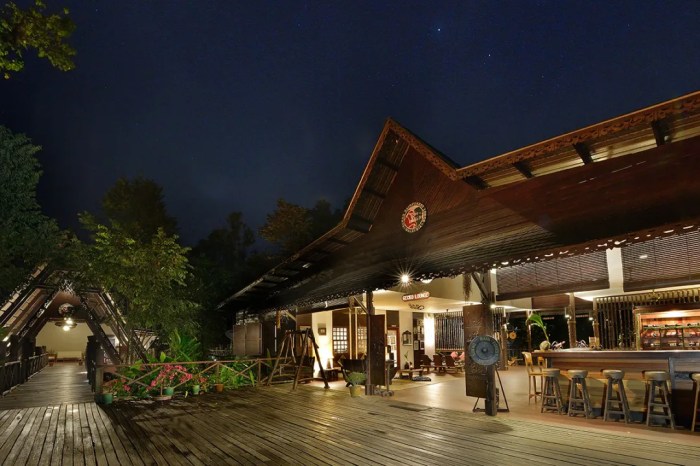
The local communities surrounding eco lodges in Borneo play a crucial role in creating a vibrant cultural tapestry that enhances the experience for visitors. These communities, rich in traditions and heritage, are integral to the identity of the region. By engaging with these locals, eco lodges help foster a deeper understanding and appreciation of Borneo’s diverse cultures, ensuring that tourism benefits not just the visitors, but also the communities themselves.Eco lodges contribute significantly to the local economy and cultural preservation by supporting sustainable development initiatives.
They provide employment opportunities for locals, promote traditional crafts, and facilitate cultural exchange between tourists and residents. This partnership between eco lodges and local communities not only boosts the economy but also helps maintain the cultural integrity and practices of indigenous groups.
Community-Based Tourism Initiatives, Jungle eco lodge in Borneo with orangutan tours
Community-based tourism initiatives linked to eco lodges serve as a vital platform for showcasing local culture while also benefiting the inhabitants. These initiatives can vary widely but generally focus on the following aspects:
- Traditional Workshops: Many eco lodges offer workshops where guests can learn traditional crafts, such as weaving or carving. These workshops are usually run by local artisans, providing them with an income while preserving their crafts.
- Cultural Performances: Visitors often have the chance to experience local music and dance performances that reflect the community’s heritage. Such events not only entertain but also educate tourists about the local customs and stories.
- Guided Community Tours: Eco lodges frequently organize tours led by local guides who share insights about their culture, history, and daily life. This direct interaction fosters meaningful connections between visitors and the community.
- Wildlife Conservation Efforts: Local communities often participate in conservation projects that eco lodges support. This not only helps protect the environment but also instills a sense of pride and ownership among locals towards their natural resources.
- Locally Sourced Products: Many eco lodges prioritize purchasing food and crafts directly from local producers. This practice strengthens the local economy and encourages sustainable agricultural practices.
Engagement in these initiatives enhances the visitors’ overall experience while providing the local communities with sustainable means of income, ensuring cultural practices are kept alive for future generations. As a result, eco lodges create a symbiotic relationship that not only enriches tourism but also uplifts local cultures and economies.
Travel Tips for Visiting Borneo
Visiting Borneo is an adventure that offers a unique blend of rich biodiversity and indigenous culture. To make the most of your experience at a jungle eco lodge, especially with orangutan tours, it’s important to come prepared. Here are some essential tips to ensure a smooth and enjoyable trip.
Essential Packing Items for a Jungle Eco Lodge
Packing for a jungle eco lodge requires thoughtful consideration of the environment and activities you will encounter. The humid and sometimes unpredictable jungle climate calls for specific items to ensure comfort and safety.
- Lightweight Clothing: Breathable fabrics like cotton or moisture-wicking materials are ideal. Long sleeves and pants protect against insects and sun exposure.
- Sturdy Footwear: Waterproof hiking boots or shoes with good grip are essential for exploring the rugged terrain.
- Insect Repellent: A high-DEET or natural bug spray will help fend off mosquitoes and other insects.
- Sun Protection: Sunscreen with high SPF, a wide-brimmed hat, and sunglasses are crucial for UV protection.
- Reusable Water Bottle: Staying hydrated is important. Bring a water bottle you can refill to reduce plastic waste.
- First Aid Kit: Include basic items like antiseptics, band-aids, and any personal medications.
- Binoculars and Camera: For wildlife watching and capturing the stunning scenery, binoculars and a camera with zoom capability are recommended.
Necessary Travel Preparations
Before embarking on your Borneo adventure, certain travel preparations are essential to ensure health and compliance with local regulations. Being well-informed helps avoid last-minute surprises.
- Vaccinations: It’s recommended to consult with a healthcare provider regarding vaccinations for diseases such as Hepatitis A, Typhoid, and Tetanus. Malaria prophylaxis may also be advised depending on your travel itinerary.
- Permits: Some areas, particularly protected reserves, may require permits for access. Check with your eco lodge or local authorities regarding any necessary documentation.
- Travel Insurance: Secure a comprehensive travel insurance policy that covers medical emergencies, cancellations, and activities like trekking or wildlife tours.
Suggested Itinerary for a Week-Long Stay
A well-planned itinerary can maximize your experience at a jungle eco lodge while enjoying the best of Borneo’s wildlife. Here’s a balanced plan that includes a mix of relaxation and adventure.
- Day 1: Arrive in Borneo, transfer to your eco lodge, and enjoy a welcome dinner while soaking in the jungle sounds.
- Day 2: Guided morning hike in the jungle focusing on flora and fauna, followed by a cultural workshop with local communities.
- Day 3: Full-day orangutan tour, including a visit to a rehabilitation center and nature trails.
- Day 4: Relax at the lodge, book a massage, or take a cooking class featuring local cuisine.
- Day 5: River cruise for bird watching and spotting wildlife along the riverbanks.
- Day 6: Visit a nearby waterfall for swimming and picnicking, followed by an evening wildlife spotting tour.
- Day 7: Morning yoga session surrounded by nature, then pack up for departure, reflecting on a week of unforgettable experiences.
“Borneo’s rainforest teems with life, offering incredible opportunities for adventure and connection with nature.”
Environmental Impact and Conservation Efforts
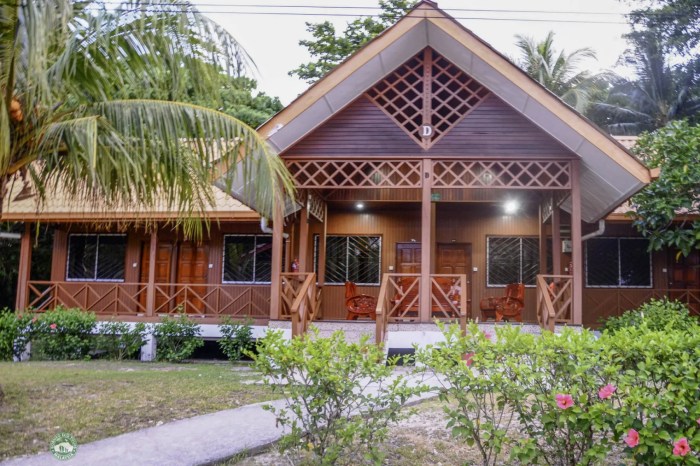
Tourism has long been a double-edged sword for the environment, often leading to a dichotomy between traditional tourism and eco tourism. While traditional tourism can result in habitat destruction and increased carbon footprints, eco tourism emphasizes sustainable practices that protect natural resources and promote local biodiversity. This approach not only minimizes environmental impact but also actively contributes to the conservation of unique ecosystems, particularly in biodiverse regions like Borneo.Eco lodges in Borneo are at the forefront of supporting various conservation projects aimed at preserving the rich wildlife and habitats that define the region.
These projects often focus on critical areas such as reforestation, wildlife rehabilitation, and community education. By engaging in these initiatives, eco lodges help ensure that tourism benefits both the environment and the local communities.
Comparison of Environmental Impacts
Traditional tourism often leads to significant environmental degradation, whereas eco tourism prioritizes sustainability. The environmental impacts include:
- Increased land use and habitat destruction due to hotel and infrastructure development.
- Higher carbon footprints associated with mass transportation and energy consumption.
- Water pollution resulting from inadequate waste management practices.
- Disruption of wildlife habitats caused by the influx of tourists and unregulated activities.
In contrast, eco tourism endeavors aim to minimize these impacts by promoting responsible travel. This includes utilizing renewable energy sources, reducing waste, and ensuring that any development is harmonized with the natural surroundings.
Conservation Projects Supported by Eco Lodges
Jungle eco lodges in Borneo actively participate in several conservation initiatives that foster biodiversity and protect endangered species. Some of these projects include:
- Orangutan Rehabilitation Programs: These initiatives focus on rescuing and rehabilitating orangutans that have been displaced due to deforestation and illegal pet trade.
- Reforestation Efforts: Eco lodges often collaborate with local organizations to plant native trees, restoring habitats that have been lost to logging and agriculture.
- Wildlife Monitoring: Many lodges support research efforts that track wildlife populations, ensuring that conservation strategies are effective in protecting species such as the Bornean pygmy elephant and the proboscis monkey.
- Community Education Programs: Local communities are educated on sustainable practices that help reduce their environmental impact and promote conservation.
Statistics on Wildlife Populations and Habitat Preservation
Borneo’s rich biodiversity is under threat, but efforts to conserve its unique wildlife are showing promising results. Recent statistics indicate significant trends in wildlife populations and habitat preservation:
- As of 2021, the population of orangutans in Borneo was estimated to be around 55,000, reflecting concerted conservation efforts.
- Research from the Borneo Nature Foundation indicates that areas protected through eco tourism have seen a 20% increase in wildlife sightings over the past decade.
- Approximately 14% of Borneo’s forest area is designated as protected, which is essential for maintaining biodiversity and mitigating climate change.
In summary, eco tourism not only mitigates the negative impacts of traditional tourism but also actively engages in conservation efforts that help protect the extraordinary wildlife of Borneo. This collaborative approach fosters a sustainable future for both the environment and local communities.
Conclusive Thoughts
In conclusion, a stay at a jungle eco lodge in Borneo not only provides a unique travel experience but also supports vital conservation efforts and local communities. As travelers seek to reconnect with nature and embrace eco-friendly tourism, these lodges offer an unforgettable adventure enriched by the chance to witness the beauty of Borneo’s wildlife, particularly the iconic orangutans. With every visit, guests contribute to the preservation of this incredible habitat and its inhabitants.
Essential FAQs
What amenities can I expect at a jungle eco lodge?
Most jungle eco lodges offer comfortable accommodations, on-site dining featuring local cuisine, guided tours, and often opportunities for wildlife viewing.
Are the orangutan tours ethical?
Yes, reputable tour operators prioritize ethical practices, focusing on conservation efforts and minimizing human impact on wildlife.
When is the best time to visit for orangutan tours?
The best time for orangutan tours is typically during the dry season, from March to October, when wildlife is more active and visible.
How do jungle eco lodges support local communities?
Jungle eco lodges often employ local staff, source food and materials locally, and engage in community-based tourism initiatives that benefit the surrounding population.
What should I pack for a trip to a jungle eco lodge?
Essential items include lightweight clothing, sturdy hiking shoes, insect repellent, sunscreen, a reusable water bottle, and a good camera for wildlife photography.