Hotel conference facilities sets the stage for this enthralling narrative, offering a glimpse into the essential role these spaces play in the hotel industry. From corporate meetings to large-scale events, hotel conference facilities are designed to cater to a variety of needs, showcasing key features that enhance the overall experience for attendees. Understanding the diverse types of conference rooms, essential amenities, and layout considerations can significantly impact the success of any gathering.
Whether it’s a boardroom equipped for high-stakes negotiations or a ballroom designed for grand presentations, each space is tailored for effectiveness. Furthermore, technological advancements and flexible meeting spaces ensure that hotels remain competitive in hosting events. These facilities are not just about the rooms but also about creating memorable experiences for all participants.
Overview of Hotel Conference Facilities
Hotel conference facilities play a pivotal role in the hospitality industry, serving as key venues for businesses and organizations to conduct meetings, seminars, and large gatherings. These spaces not only enhance a hotel’s appeal but also contribute significantly to its revenue stream. A well-designed conference facility can attract a variety of clientele, from corporate entities to social event planners, reinforcing the hotel’s position as a versatile venue for diverse events.Effective conference spaces in hotels are characterized by a variety of essential features that cater to the needs of different types of gatherings.
The configuration, technology, and ambiance of these facilities all contribute to their overall effectiveness. A hotel that invests in modern, adaptable conference spaces is more likely to be chosen as the preferred location for business events.
Key Features of Effective Conference Spaces
Several features define the effectiveness of conference facilities in hotels. Understanding these elements can aid in evaluating the suitability of a venue for specific events.
- Flexible Room Configurations: The ability to reconfigure seating arrangements to suit various event types, such as board meetings, workshops, or large conferences, is crucial for maximizing space efficiency.
- Advanced Audio-Visual Equipment: State-of-the-art technology, including high-quality projectors, sound systems, and video conferencing tools, enhances presentations and facilitates seamless communication.
- High-Speed Internet Access: Reliable Wi-Fi connectivity is a necessity for business events, allowing attendees to connect and share information effortlessly.
- Natural Lighting and Aesthetics: Well-lit and visually appealing environments can positively impact attendee engagement and overall experience.
- Catering Services: Offering a range of food and beverage options tailored to different dietary needs adds value to the conference experience, keeping attendees satisfied and focused.
Types of Events Hosted in Hotel Conference Facilities
Hotel conference spaces are utilized for a variety of events that cater to both corporate and social needs. This flexibility makes them attractive options for event planners.
- Corporate Meetings: These include executive meetings, team-building activities, and strategy sessions, which require professional environments equipped with the necessary technology.
- Workshops and Training Sessions: Many organizations opt for hotels to conduct training sessions, benefiting from the inclusive services that hotels provide, such as catering and accommodation.
- Conventions and Trade Shows: Large-scale events that require extensive space and facilities for exhibitors and attendees are often held in hotel conference centers.
- Social Events: Weddings, family reunions, and milestone celebrations are commonly hosted in hotel banquet halls, taking advantage of comprehensive services offered by the hotel.
- Networking Events: Hotels often provide suitable spaces for networking functions, enabling professionals to connect and collaborate in a comfortable setting.
Types of Conference Rooms
Source: hotelleconfidentiel.com
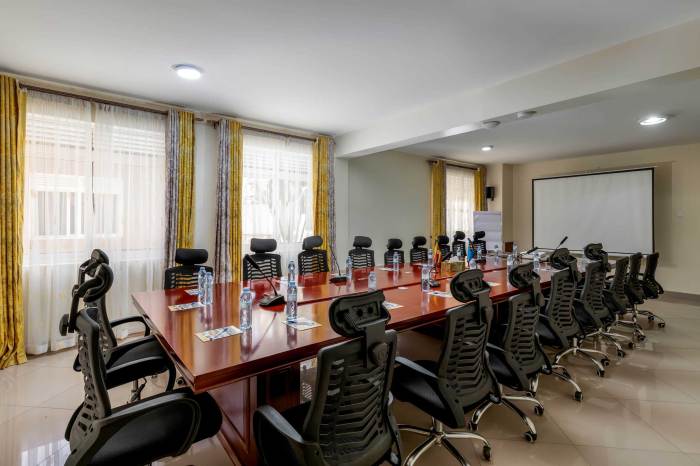
Hotels offer a variety of conference rooms designed to cater to different types of meetings and events. These spaces are tailored to accommodate a range of functions, from small team discussions to large gatherings and formal events. Understanding the types of conference rooms available can help in selecting the right space for your specific needs.
Boardrooms, Ballrooms, and Breakout Rooms
Each type of conference room serves a distinct purpose and comes with unique features that enhance the meeting experience. Here’s a closer look at these three common types of conference rooms:
- Boardrooms: Typically smaller and more intimate, boardrooms are equipped with a large table and comfortable chairs, suitable for high-level meetings and strategic discussions. They often feature audio-visual equipment and whiteboards to facilitate presentations and brainstorming sessions. Capacity generally ranges from 10 to 20 people.
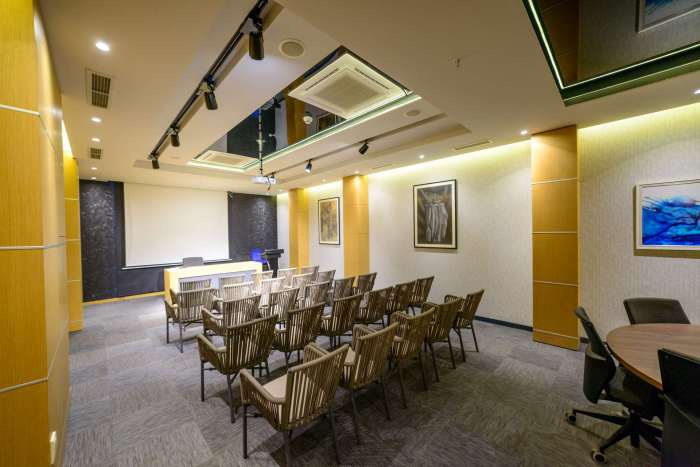
- Ballrooms: These are expansive spaces designed to host larger gatherings such as conferences, banquets, and social events. With the ability to accommodate hundreds of guests, ballrooms can be configured in various layouts, including theater, classroom, or banquet style, depending on the event’s requirements. They frequently include stage setups and high-end audio-visual technology.
- Breakout Rooms: Ideal for smaller, focused sessions within larger events, breakout rooms allow for interactive discussions among participants. These rooms can be set up in different arrangements to foster collaboration and often come equipped with technology to support workshops or training sessions. Capacities can vary from 5 to 50 attendees.
Flexible meeting spaces have become increasingly important in modern hotels, catering to the evolving needs of businesses. These adaptable spaces allow for quick reconfiguration based on the type of event being hosted, accommodating varying group sizes and activities. Incorporating movable walls, modular furniture, and advanced technology, these areas can transform from a large conference setting to smaller, more intimate meeting rooms as needed.
This versatility ensures that hotels can accommodate diverse clientele, making them a preferred choice for organizations seeking innovative and effective meeting solutions.
“Flexibility in meeting spaces is essential for fostering creativity and collaboration.”
Essential Amenities and Equipment
Hotel conference facilities are designed to provide a productive environment for meetings, workshops, and seminars. To ensure a seamless experience, a range of essential amenities and equipment must be readily available. These features not only enhance the convenience for attendees but also contribute significantly to the overall effectiveness of the conference.
Audio-Visual Equipment
A well-equipped conference room should include various audio-visual equipment to facilitate presentations and communication. The presence of advanced technology is crucial for ensuring that every participant can engage fully. Here’s a list of commonly found audio-visual equipment in hotel conference facilities:
- Projectors and Screens: For clear presentations and visual displays.
- High-Definition Displays: Large screens or monitors for better visibility.
- Sound Systems: Quality microphones and speakers to enhance audio clarity.
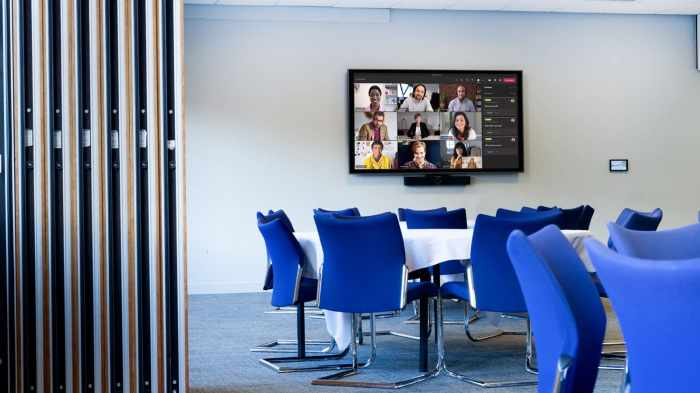
- Video Conferencing Tools: Systems that enable remote participation.
- Wireless Presentation Devices: For easy connectivity without cables.
- Document Cameras: To display physical documents on screens for group view.
Technological Advancements
Technological innovations have transformed the conference experience, allowing for greater interactivity and engagement among attendees. Modern hotel conference facilities often incorporate advanced tools to create a dynamic environment. Notable advancements include:
- Smart Room Controls: Centralized systems that allow control of lighting, temperature, and AV equipment seamlessly.
- Real-Time Polling Software: Tools that facilitate instant feedback and engagement from participants during sessions.
- Augmented Reality (AR) and Virtual Reality (VR): These tech tools offer immersive experiences for training and presentations.
- High-Speed Internet Access: Essential for connectivity and access to online resources during events.
Amenities Checklist
To ensure a comfortable and productive experience, hotel conference facilities should provide a comprehensive set of amenities for attendees. The following checklist Artikels essential items that should be included:
- Comfortable Seating: Ergonomic chairs and tables conducive to long hours of meetings.
- Refreshments: Coffee, tea, water, and snacks to keep energy levels up.
- Stationery Supplies: Notepads, pens, and markers for note-taking and brainstorming.
- Wi-Fi Access: Reliable internet service for all attendees.
- Breakout Rooms: Additional spaces for smaller group discussions.
- Parking Facilities: Convenient parking options for attendees traveling by car.
Layout and Design Considerations: Hotel Conference Facilities
The layout and design of conference spaces can significantly influence attendee engagement and interaction. A carefully planned environment not only fosters communication but also enhances the overall experience of every participant. By considering various design elements, planners can create settings that promote collaboration and creativity.
Impact of Room Layout on Engagement
The arrangement of furniture and the overall layout of a conference room play a crucial role in shaping how attendees interact. A thoughtful layout can facilitate networking, encourage discussions, and maintain focus during presentations. Here are key aspects to consider:
-
Open layouts promote visibility and connection, making it easier for participants to engage with one another.
- Flexible seating arrangements can accommodate different group sizes, allowing for both small group discussions and larger presentations.
-
Round tables foster collaboration by breaking down barriers, encouraging participants to share ideas openly.
- Strategically placed staging areas can enhance visibility and draw attention to key speakers or presentations, keeping the audience engaged.
Designing Spaces for Different Event Types
Design decisions should align with the purpose of each event, whether it’s a workshop, seminar, or networking event. Each type of gathering has unique requirements that can be fulfilled through specific design elements:
- For workshops, incorporate breakout areas that allow for hands-on activities and group discussions.
- Seminars benefit from tiered seating arrangements that ensure every attendee has a clear view of the speaker and presentation materials.
- Networking events should prioritize open spaces that encourage movement and interaction among attendees, avoiding cramped or obstructed pathways.
- Incorporating technology hubs with charging stations can enhance the experience for tech-savvy participants who rely on devices.
The Role of Natural Lighting and Acoustics
Natural lighting and acoustics are essential elements that can affect the overall comfort and effectiveness of a conference room. They contribute to the atmosphere and can directly impact attendee focus and engagement levels:
- Natural light enhances mood and energy levels, making participants more alert and engaged. Large windows or skylights can maximize this effect.
- Acoustic design should minimize noise distractions; using sound-absorbing materials can create a conducive space for discussions and presentations.
-
Proper acoustics are crucial for clear communication, especially in larger rooms where sound can dissipate easily.
- Consideration of lighting controls allows facilitators to adjust brightness according to the time of day or specific activities, maintaining an optimal environment.
Catering and Refreshment Options
Catering services play a crucial role in enhancing the overall experience of conference attendees. Well-planned catering not only satisfies hunger but also energizes participants, fostering engagement and productivity throughout the event. A thoughtfully curated menu can reflect the theme of the conference, cater to diverse dietary needs, and leave a lasting impression on guests.The significance of catering services in a conference setting extends beyond mere nourishment.
It sets the tone for the event and can influence networking opportunities, morale, and the general atmosphere. Providing options for refreshments can also enhance concentration and maintain attendee energy levels. Within this context, two primary meal service styles are often considered: buffet and sit-down meals, each with its distinct advantages and challenges.
Comparison of Buffet Versus Sit-Down Meal Service
When choosing between buffet and sit-down meal services for conferences, it is essential to weigh the benefits of each option based on the event’s objectives and the preferences of attendees. Buffet service is popular for its flexibility and variety. Attendees can choose from a range of dishes, catering to various tastes and dietary restrictions. This informal setting encourages mingling and networking among participants.
Here are some key points regarding buffet service:
- Variety of Choices: Buffets typically offer multiple options, allowing guests to customize their meals according to personal preferences.
- Efficient Service: Buffets reduce the need for extensive table service, allowing for quicker meal turnover and enabling attendees to return to the conference agenda sooner.
- Networking Opportunities: The casual atmosphere of a buffet encourages attendees to interact, fostering connections and conversations.
On the other hand, sit-down meal service provides a more formal dining experience. This method is conducive to focused discussions and presentations, as participants are seated and less likely to leave their tables during meals. Consider the following aspects of sit-down meals:
- Enhanced Formality: Sit-down service can elevate the event’s prestige, making it suitable for more formal gatherings or high-stakes meetings.
- Curated Dining Experience: With a pre-selected menu, there is an opportunity for a chef to showcase signature dishes that highlight the venue’s culinary strengths.
- Structured Timing: Sit-down meals can be timed to fit perfectly within the overall conference schedule, ensuring that meals do not disrupt agenda flow.
Ultimately, the choice between buffet and sit-down meal service should align with the conference’s goals, the nature of engagement desired among attendees, and the overall logistical considerations. Thoughtful catering not only nourishes but also enhances the event experience, making it memorable for all participants.
Location and Accessibility
When planning a conference, the location of the hotel facilities plays a crucial role in ensuring a successful event. Factors such as proximity to major transportation hubs, the surrounding environment, and the availability of local attractions can significantly influence the overall experience of attendees. A strategic location not only enhances convenience but also contributes to the attractiveness of the conference for potential participants.Accessibility features are integral to the design of conference facilities, as they ensure that all attendees can navigate the space comfortably.
This includes considerations for individuals with disabilities, as well as the general public. A well-designed conference venue takes into account various accessibility features such as ramps, elevators, and appropriately designated seating areas.
Factors Influencing Location
Several key factors contribute to the ideal location of hotel conference facilities, including:
- Proximity to Airports: Being near major airports simplifies travel for out-of-town attendees, reducing stress and time spent in transit.
- Public Transportation Availability: Easy access to buses, trains, and trams encourages attendees to utilize public transport, which is often more economical and environmentally friendly.
- Local Amenities: Nearby restaurants, attractions, and hotels can enhance the experience, providing attendees with options for leisure and dining.
- Safety and Security: A secure location gives peace of mind to all attendees, making them feel comfortable during their stay.
Importance of Accessibility Features
Incorporating accessibility features in conference design is vital for fostering an inclusive environment. These features ensure that everyone, regardless of their physical abilities, can participate fully in the event. Key aspects to consider include:
- Wheelchair Access: Facilities should be equipped with ramps and elevators that accommodate wheelchairs and mobility aids.
- Accessible Restrooms: Designated restrooms that cater to individuals with disabilities should be readily available throughout the venue.
- Signage: Clear and easy-to-read signage helps attendees navigate the facility without confusion, including braille or tactile signs for visually impaired individuals.
- Assistance Services: Availability of assistance services, such as staff trained to help those who may need additional support, enhances the overall experience.
Transportation Options for Attendees
Facilitating smooth transportation for attendees is essential for a successful hotel conference. Various options can accommodate the diverse needs of participants:
- Shuttle Services: Hotels may offer complimentary shuttle services to and from the airport, ensuring hassle-free transfers for guests.
- Car Rentals: Proximity to car rental services allows attendees the flexibility to explore the area during their stay.
- Ride-Sharing Services: Easy access to ride-sharing options like Uber or Lyft can encourage more attendees to use these convenient transportation alternatives.
- Bicycle Rentals: Providing bicycle rentals promotes eco-friendly travel and is often an enjoyable way for attendees to navigate nearby attractions.
Marketing Hotel Conference Facilities
Source: hotelimperial.me
Marketing hotel conference facilities effectively requires a strategic approach that resonates with businesses and organizations. Understanding the needs of potential clients, showcasing unique selling points, and leveraging digital platforms are key to driving bookings. To successfully promote conference spaces, hotels must adopt a range of strategies that align with the current market trends, focusing on outreach, branding, and customer engagement.
Here are some effective marketing strategies that hotels can implement to attract more conference bookings:
Marketing Strategies for Conference Facilities
Incorporating diverse marketing methods is essential to create a strong presence in the competitive hotel industry. The following strategies can enhance visibility and attract businesses to book conference facilities:
- Targeted Email Campaigns: Utilize segmented email lists to send personalized invitations and promotions tailored to specific industries, highlighting relevant amenities and past successful events.
- Partnerships with Local Businesses: Collaborate with local companies and organizations to host joint events, which can enhance credibility and attract their networks.
- Networking Events: Host open houses or networking events that allow potential clients to explore facilities firsthand, providing an experiential preview of the venue.
- Referral Programs: Create incentives for past clients to refer new business, which can help in building a trusted network.
Successful Case Studies
Examining successful hotels that have effectively promoted their conference facilities can offer valuable insights. For instance, a hotel in New York implemented a comprehensive digital marketing campaign that included virtual tours of their conference spaces. This strategy effectively increased inquiries by 30% in just six months. Another notable example is a hotel chain that integrated customer testimonials into their marketing materials.
By showcasing positive experiences of past conference hosts, they built a reputation that attracted larger corporate clients. This approach resulted in a 25% increase in repeat bookings over two years.
The Role of Online Presence and Social Media
In today’s digital age, a strong online presence and active social media engagement are crucial for attracting conference bookings. Hotels must prioritize their online strategies to ensure visibility and interaction with potential clients. Establishing a user-friendly website with detailed information about conference facilities, amenities, and availability can significantly enhance booking rates. Additionally, maintaining active social media profiles allows hotels to share updates, success stories, and engaging content.
Visual content is particularly impactful; posting images of beautifully set conference rooms or video testimonials from satisfied clients can capture attention. Furthermore, utilizing platforms like LinkedIn to connect with business professionals can directly lead to increased conference inquiries.
“A strong online presence not only attracts clients but also fosters trust and credibility in the competitive market of hotel conference facilities.”
Sustainability Practices in Conference Facilities
In today’s world, sustainability has become an essential aspect of hotel operations, particularly in conference facilities. As organizations increasingly prioritize environmental responsibility, hotels must adapt their practices to reflect these values. Implementing sustainable practices not only helps mitigate environmental impact but also enhances the hotel’s reputation and appeal to eco-conscious clients.Adopting eco-friendly practices in conference facilities requires a commitment to sustainability across various operations.
This can include reducing waste, conserving energy, and promoting the use of sustainable resources. By aligning with eco-friendly standards, hotels can create a more inviting and responsible atmosphere for event planners and attendees alike.
Examples of Eco-Friendly Practices
Several innovative and practical measures can be integrated into conference facilities to promote sustainability. Below are some effective eco-friendly practices:
- Energy Efficiency: Utilize energy-efficient lighting and HVAC systems, and install motion sensors to reduce energy consumption when rooms are unoccupied.
- Recycling Programs: Set up recycling stations throughout the conference areas to encourage the proper disposal of waste materials, such as paper, plastic, and glass.
- Reusable Materials: Provide reusable water bottles and coffee mugs for attendees, reducing the reliance on single-use plastics.
- Sustainable Catering: Source local and organic ingredients for catering services, minimizing the carbon footprint associated with food transportation.
- Green Certifications: Obtain certifications from recognized environmental organizations to demonstrate commitment to sustainability and attract like-minded clients.
Promoting sustainable events offers numerous benefits to clients. It aligns with the growing preference for corporate social responsibility and can enhance brand image. Moreover, sustainable practices often lead to cost savings, which can be passed on to clients, creating a win-win situation. By choosing eco-friendly venues, organizations contribute positively to environmental conservation while also enjoying a unique selling proposition in their event planning.
“Going green is not just a trend; it’s a necessary step towards ensuring a better future for our planet and the generations to come.”
Feedback and Improvement Strategies
Collecting feedback from conference attendees is essential for the continuous improvement of hotel conference facilities. This process not only helps in understanding the attendee experience but also guides the planning of future events to better meet their needs and expectations.To effectively enhance future conference offerings, it’s important to have a structured approach for collecting and analyzing feedback. A combination of quantitative and qualitative methods can yield the best results, informing decisions on facility upgrades, service enhancements, and overall attendee satisfaction.
Methods for Collecting Feedback
Gathering attendee feedback can be accomplished through various methods to ensure comprehensive insights. Implementing a combination of these strategies allows for a well-rounded understanding of participant experiences. Consider the following methods:
- Post-Event Surveys: Sending out surveys via email shortly after the conference allows attendees to provide their immediate reactions. Include questions on various aspects such as facility comfort, catering quality, and overall organization.
- Interactive Feedback Stations: Setting up digital kiosks or paper forms at the venue during the conference encourages attendees to share their thoughts in real-time.
- Focus Groups: Organizing focus group discussions post-event with selected participants can generate in-depth insights and suggestions for improvement.
- Social Media Monitoring: Keeping an eye on social media channels for mentions of the conference can provide spontaneous feedback and gauge attendee sentiment.
Analyzing Feedback for Future Enhancements
Once feedback is collected, analyzing it systematically is crucial for identifying trends and areas for improvement. Utilizing various techniques can streamline the analysis process and provide actionable insights. Key strategies include:
- Quantitative Analysis: Use statistical tools to analyze survey results, identifying patterns in numerical data such as satisfaction ratings and common complaints.
- Qualitative Analysis: Review open-ended responses for recurring themes or unique suggestions that could enhance the attendee experience.
- Benchmarking: Compare feedback against industry standards or feedback from similar events to gauge performance and identify gaps.
- Actionable Reporting: Create comprehensive reports summarizing feedback findings with specific recommendations for improvement, prioritizing the most impactful areas.
Regular Assessment and Improvement Plan
Establishing a continuous feedback loop is vital for the ongoing enhancement of conference facilities. A structured plan should include:
- Annual Review Meetings: Schedule regular meetings with the conference planning team to review feedback and assess facility performance based on attendee insights.
- Quarterly Surveys: Conduct brief surveys throughout the year to gather ongoing feedback from clients who utilize the conference facilities, not just those from specific events.
- Implementation of Changes: Develop a systematic approach for implementing suggested improvements and communicate these changes to future attendees to show responsiveness.
- Training and Development: Provide ongoing training for staff based on feedback to enhance service quality and ensure they are equipped to meet attendee needs effectively.
“Regularly collecting and analyzing feedback is not just about making changes; it’s essential for creating an exceptional experience that keeps attendees coming back.”
Ultimate Conclusion
Source: co.uk
In summary, hotel conference facilities play a crucial role in shaping the way businesses and organizations conduct their events. From understanding room types to the importance of catering and sustainability practices, every aspect contributes to a seamless experience for attendees. By continuously improving and adapting these spaces, hotels can ensure they remain a top choice for hosting successful conferences.
FAQ Corner
What types of events can be hosted in hotel conference facilities?
Hotel conference facilities can host a wide range of events including corporate meetings, conferences, seminars, workshops, and social gatherings like weddings and parties.
How important is technology in hotel conference facilities?
Technology is vital as it enhances presentations and communications, with features such as high-speed internet, audio-visual equipment, and video conferencing capabilities being essential for modern events.
What should I consider when choosing a hotel for a conference?
Consider factors such as location, accessibility, available amenities, room capacity, and the quality of catering services when selecting a hotel for your conference.
Are catering options customizable?
Yes, many hotels offer customizable catering options to accommodate dietary restrictions and preferences, ensuring a pleasant dining experience for all attendees.
How can I ensure good attendance at my conference?
Effective marketing strategies, clear communication about the event’s value, and utilizing social media can help attract attendees to your conference.