Eco-resort in Costa Rica with jungle treks offers an exciting gateway for nature lovers and adventurous travelers alike. Nestled in the heart of one of the world’s most biodiverse regions, these eco-resorts provide not only comfortable accommodations but also immersive experiences that connect guests with the lush surroundings. With a focus on sustainable tourism, visitors can enjoy unique jungle treks that showcase the incredible wildlife and vibrant flora that Costa Rica is renowned for.
From the soothing sounds of exotic birds to the thrill of spotting wildlife in their natural habitat, eco-resorts in Costa Rica craft unforgettable experiences. Guests are encouraged to partake in eco-friendly practices while exploring the beauty of the jungle, ensuring that their adventures contribute to the preservation of this stunning environment.
Introduction to Eco-Resorts in Costa Rica: Eco-resort In Costa Rica With Jungle Treks
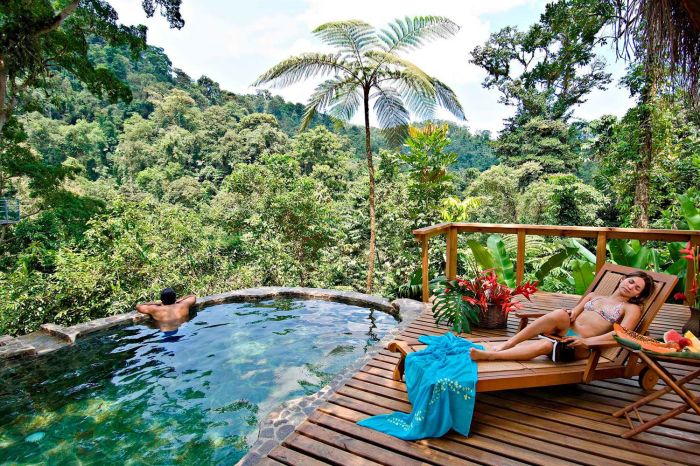
Eco-resorts represent a harmonious blend of hospitality and environmental stewardship, making them vital to the ethos of sustainable tourism. In Costa Rica, these resorts not only provide luxurious accommodations but also promote the conservation of the rich biodiversity that characterizes the region. This approach enables travelers to enjoy the natural beauty of the tropics while ensuring that their presence supports rather than harms the environment.The significance of eco-resorts in Costa Rica lies in their commitment to sustainable practices that minimize ecological footprints.
They strive to offer experiences that educate guests about the local ecosystem while supporting conservation efforts. Eco-resorts often integrate renewable energy sources, use sustainable building materials, and maintain organic gardens, showcasing their dedication to preserving the environment.
Key Features of Eco-Resorts
Costa Rican eco-resorts are distinguished by several key features that align with their mission of sustainability. These characteristics enhance the guest experience while promoting environmental awareness:
- Integration with Nature: Eco-resorts are often situated in untouched regions, allowing guests to immerse themselves in the natural environment. Visitors can enjoy wildlife sightings and stunning landscapes, with many resorts designed to blend seamlessly with their surroundings.
- Environmentally Friendly Practices: Many eco-resorts employ sustainable practices such as rainwater harvesting, solar power utilization, and waste recycling. This commitment not only reduces their environmental impact but also sets a standard for responsible tourism.
- Community Involvement: A significant aspect of eco-resorts is their engagement with local communities. Many resorts collaborate with local businesses and artisans to promote cultural exchange, providing guests with authentic local experiences while supporting the economy.
- Wildlife Conservation: Guest activities often include guided jungle treks and nature tours that emphasize the importance of preserving natural habitats. These experiences educate visitors about local flora and fauna while contributing to conservation efforts.
The success of eco-resorts in Costa Rica demonstrates that tourism can coexist with nature, benefiting both visitors and the environment.
Preserving natural habitats while offering tourist accommodations is crucial for sustainable tourism. Costa Rica is renowned for its biodiversity, with an array of ecosystems that host countless species. Eco-resorts aim to protect these ecosystems by establishing conservation areas and limiting environmental degradation. By prioritizing ecological preservation, these resorts ensure that future generations can continue to explore and appreciate the stunning landscapes and rich wildlife that Costa Rica has to offer.
The Appeal of Jungle Treks
Jungle treks in Costa Rica offer an unparalleled adventure that attracts eco-tourists from all corners of the globe. The dense, vibrant landscapes provide a unique opportunity to immerse oneself in the heart of nature, where every step reveals the extraordinary beauty and complexity of the tropical ecosystem. The allure lies not only in the enchanting scenery but in the rich experiences that come from exploring one of the most biodiverse countries on the planet.The unique wildlife and flora encountered during these treks are a significant draw for visitors.
Costa Rica is home to over 500,000 species, making it one of the most biodiverse places in the world. Trekking through the jungles allows tourists to witness this diversity firsthand. From the vibrant colors of toucans and tree frogs to the intricate patterns of orchids and ferns, each trek is a new adventure filled with discovery.
Wildlife Encounters
The jungle treks provide an opportunity to observe wildlife in their natural habitat, enhancing the overall experience. Here are some of the remarkable species that nature lovers might encounter:
- Sloths: These slow-moving creatures can often be seen lounging on tree branches, perfectly camouflaged in the foliage. Their unique lifestyle and adorable appearance make them a favorite among trekkers.
- Monkeys: Various species, including howler monkeys and capuchins, create a lively atmosphere with their playful antics and vocalizations. Spotting them swinging through the treetops is always a highlight.
- Exotic Birds: The jungles are a birdwatcher’s paradise, featuring species like the resplendent quetzal and scarlet macaw. Their vibrant plumage and melodic calls add to the rich auditory experience of the jungle.
- Reptiles and Amphibians: Colorful poison dart frogs and various snakes can be spotted among the underbrush, showcasing the vibrant life that thrives in this ecosystem.
Many visitors leave the jungle treks with unforgettable memories and stories to share. One trekker, Sarah from Canada, shared her experience:
“Walking through the lush greenery, I felt like I was in a different world. Encountering a sloth was surreal, and the birdwatching was unlike anything I had ever witnessed!”
Another adventurer, Mark from the USA, remarked,
“The sounds of the jungle were mesmerizing; it was a cacophony of life that I didn’t want to end. The colors, the smells, everything was so vibrant and alive.”
These personal experiences highlight the deep connections visitors create with the environment during their treks, making jungle exploration in Costa Rica an enriching and memorable experience.
Top Eco-Resorts Offering Jungle Treks
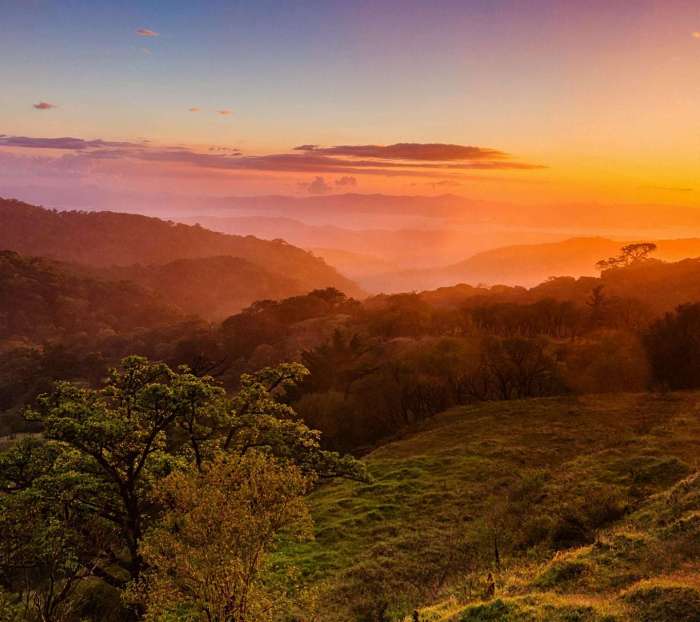
Costa Rica is a haven for eco-tourists, blending adventure with sustainability in its stunning natural landscapes. With its rich biodiversity and lush jungles, the country offers numerous eco-resorts that cater to travelers seeking an immersive experience in nature. These eco-resorts not only provide a comfortable place to stay but also offer various jungle treks that allow guests to explore the vibrant ecosystems teeming with wildlife and exotic flora.
Choosing the right eco-resort can enhance your experience, especially when it comes to accessibility to jungle treks. Below are some of the best eco-resorts in Costa Rica known for their exceptional amenities and trekking options.
Top Eco-Resorts and Their Trekking Options
The following table summarizes several eco-resorts that excel in offering jungle treks, highlighting their locations, amenities, and any notable recognitions they have received.
| Eco-Resort | Location | Amenities | Trekking Options | Awards/Recognitions |
|---|---|---|---|---|
| Lapa Rios Lodge | Osa Peninsula | Eco-friendly bungalows, pool, spa, farm-to-table restaurant | Guided rainforest treks, birdwatching tours | Travel + Leisure World’s Best Awards |
| Selvatura Park | Monteverde | Canopy tours, suspension bridges, butterfly garden | Self-guided and guided jungle treks | Certificate of Excellence from TripAdvisor |
| Finca Rosa Blanca | Heredia | Coffee plantation, organic meals, yoga studio | Hiking trails through coffee fields and adjacent forests | Green Business Certification |
| La Fortuna Eco-Resort | La Fortuna | Hot springs, wellness spa, gourmet dining | Guided treks in Arenal Volcano National Park | Eco-Certification by the Costa Rican Tourism Board |
| Tortuga Lodge & Gardens | Tortuguero | Riverfront location, nature trails, local cuisine | Guided jungle hikes and turtle watching tours | TripAdvisor Certificate of Excellence |
“Staying at these eco-resorts not only supports sustainable tourism but also enhances your connection with nature through immersive jungle experiences.”
Planning Your Visit
Visiting an eco-resort in Costa Rica that offers jungle treks is an exciting and rewarding experience. However, careful planning is essential to ensure that your trip goes smoothly and that you can make the most of your time in this biodiverse paradise. From selecting the right eco-resort to packing the right gear, thorough preparation sets the stage for an unforgettable adventure amidst lush greenery and exotic wildlife.
When planning your visit, consider a few key steps that will help you navigate the logistics of your trip and enhance your overall experience. Understanding what to pack for jungle treks is crucial, as it directly impacts your comfort and safety. Additionally, a well-structured itinerary maximizes your time spent exploring the stunning landscapes and rich ecosystems Costa Rica has to offer.
Essential Steps for Planning Your Visit
Start by determining the best time to visit Costa Rica, typically during the dry season from December to April, which allows for optimal trekking conditions. Next, research eco-resorts that align with your interests, focusing on those that offer guided jungle treks. Consider your travel budget, and book your accommodations in advance, especially during peak season. Don’t forget to check travel requirements, including any necessary vaccinations, travel insurance, and local regulations.
Checklist of Essentials to Pack for a Jungle Trek
Packing appropriately for jungle treks is vital for a comfortable experience. Here’s a checklist to ensure you have everything you need:
- Hiking Boots: Durable, waterproof footwear with good traction is essential for navigating uneven terrain.
- Clothing: Lightweight, moisture-wicking clothing, preferably long-sleeved for protection against insects and sun.
- Rain Gear: A waterproof jacket or poncho is advisable, as rain showers can occur unexpectedly.
- Insect Repellent: A high-DEET formula will help keep bugs at bay during your treks.
- Sun Protection: Sunscreen, a wide-brimmed hat, and sunglasses are crucial for protection against sun exposure.
- Hydration Gear: A reusable water bottle or hydration pack to stay hydrated throughout your hikes.
- Snacks: Energy bars or trail mix for quick energy boosts during treks.
- Camera or Binoculars: To capture the stunning scenery and wildlife encounters.
Sample Itinerary for a Week-Long Stay at an Eco-Resort
A well-planned itinerary is key to enjoying the diverse offerings of an eco-resort. Here’s a sample week-long schedule that includes trekking activities and relaxation periods:
| Day | Activity |
|---|---|
| Day 1 | Arrival at the eco-resort, orientation, and a welcome dinner. |
| Day 2 | Guided morning jungle trek to explore local flora and fauna, followed by afternoon relaxation at the resort. |
| Day 3 | Full-day trek to a nearby waterfall, with picnic lunch included. |
| Day 4 | Free day to relax by the pool or partake in optional activities like yoga or spa treatments. |
| Day 5 | Night trek to observe nocturnal wildlife. |
| Day 6 | Visit to a local village or conservation project, with an afternoon cooking class. |
| Day 7 | Final morning trek, followed by check-out and departure. |
By following these steps and utilizing the checklist, you’ll be well-prepared to embark on a memorable eco-adventure in the heart of Costa Rica’s jungles.
Environmental and Cultural Considerations
Eco-resorts in Costa Rica play a pivotal role in balancing tourism with environmental sustainability and cultural preservation. As visitors venture into the lush jungles, it’s crucial to recognize the impact these experiences have on local ecosystems and the indigenous cultures that thrive within them. By understanding these considerations, travelers can make informed choices that support both ecological integrity and cultural richness.The ecological impact of jungle treks and eco-resorts on local environments is a delicate balance.
Sustainable practices at these resorts aim to minimize disturbances to wildlife and plant life, ensuring that natural habitats remain intact. This is essential in preserving the biodiversity that Costa Rica is renowned for, which includes countless species of flora and fauna. Many eco-resorts implement eco-friendly initiatives such as waste reduction programs, renewable energy sources, and water conservation techniques, significantly reducing their carbon footprint.
Ecological Impact of Jungle Treks
When embarking on jungle treks, visitors contribute to the local economy, but their activities can also disturb delicate ecosystems. It’s vital to engage in practices that foster conservation. The following initiatives are often adopted by eco-resorts to mitigate ecological impact:
- Guided tours led by trained naturalists who educate guests on local ecosystems, reducing the chance of unintentional harm to wildlife.
- Establishment of designated trails to limit soil erosion and protect native plant species.
- Use of biodegradable products and materials throughout the resort and during treks to minimize waste.
- Reforestation projects that visitors can participate in, helping to restore damaged ecosystems.
Cultural interactions and experiences in Costa Rican jungles enhance the travel experience while fostering respect for indigenous communities. Visitors often encounter local traditions, crafts, and cuisines that highlight the rich heritage of the area. Engaging with local artisans or participating in cultural workshops offers meaningful insights into the lives of these communities.
Cultural Interactions in the Jungle
The opportunity to connect with local cultures during jungle treks enriches the overall experience. Visitors may experience the following:
- Traditional storytelling sessions where local guides share folklore and history related to the jungle.
- Workshops demonstrating traditional techniques such as pottery making or weaving, allowing visitors to appreciate the artistry of local crafts.
- Tasting sessions of local cuisine made from indigenous ingredients, showcasing the culinary heritage of Costa Rica.
Eco-resorts serve as vital allies in promoting local communities and cultures. By prioritizing local employment and sourcing materials from nearby artisans, these resorts help sustain the livelihoods of residents. This not only empowers local economies but also preserves cultural practices that might otherwise be lost in the face of globalization.
Role of Eco-Resorts in Community Support
The impact of eco-resorts extends beyond environmental concerns; they play a crucial role in supporting local communities. Key contributions include:
- Creating job opportunities for local residents in various capacities, from hospitality to guiding treks.
- Investing in community projects, such as schools and health services, that enhance the quality of life for locals.
- Encouraging cultural preservation by showcasing local traditions and stories, fostering a sense of pride among community members.
Through their commitment to sustainability and cultural respect, eco-resorts in Costa Rica not only provide unforgettable adventure experiences but also help safeguard the rich tapestry of biodiversity and cultural heritage that defines this beautiful country.
Safety and Preparedness
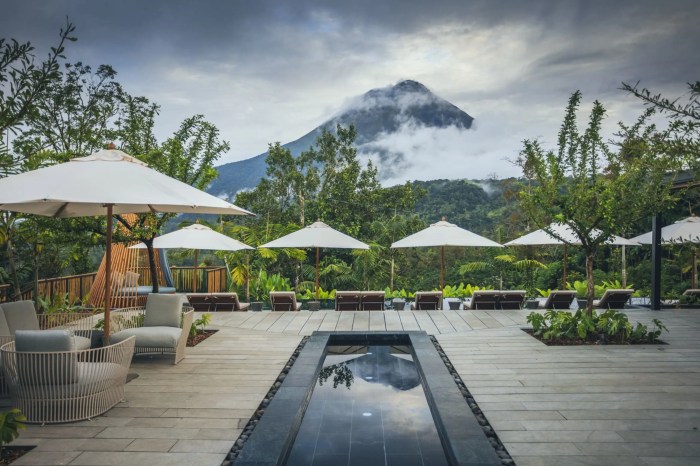
Trekking through the lush jungles of Costa Rica is an exhilarating experience that offers breathtaking views and unique wildlife encounters. However, ensuring your safety and preparedness is crucial for enjoying this adventure to the fullest. By following certain guidelines and being mindful of your surroundings, you can navigate the jungle with confidence.Safety measures during jungle treks are essential for preventing accidents and ensuring an enjoyable experience.
Here are some key guidelines to keep in mind:
Safety Guidelines for Jungle Treks
Before setting out on your adventure, familiarize yourself with the necessary safety practices. This includes dressing appropriately, sticking to marked trails, and staying with your group. Carrying a first aid kit and informing someone of your trekking plans can further enhance your safety.
- Wear sturdy hiking boots with good grip to prevent slips on uneven terrain.
- Dress in lightweight, breathable clothing to stay comfortable in humid conditions.
- Use insect repellent to protect against mosquito bites and other insect encounters.
- Stay hydrated by drinking water regularly, especially in warmer weather.
- Be aware of your surroundings and avoid touching or provoking wildlife.
Trekking in the jungle often leads to close encounters with various wildlife. Understanding how to handle these encounters safely is vital for both your safety and the wildlife’s well-being.
Common Wildlife Encounters and Safety Measures
Various animals roam the jungles of Costa Rica, and while many are harmless, it’s important to know how to interact with them safely. Knowing what to expect can help you respond appropriately.
- Snakes: If you see a snake, stay calm, back away slowly, and do not attempt to touch or provoke it.
- Capuchin monkeys: These curious creatures are usually harmless, but avoid feeding them or getting too close.
- Jaguar: Rarely seen, but if encountered, do not run; back away slowly and make yourself look larger if possible.
- Poison dart frogs: Admire their beauty from a distance; do not touch them as their skin can be toxic.
- Insects: Wear long sleeves and pants to reduce bites, and seek treatment for any allergic reactions.
Maintaining your health and hydration is essential while trekking in the humid jungle environment. Proper preparation can ensure you remain energized and safe throughout your adventure.
Tips for Staying Healthy and Hydrated
The jungle’s heat and humidity can be challenging, making it crucial to take steps to maintain your health. Here are some effective strategies:
- Drink plenty of water before, during, and after your trek to prevent dehydration.
- Carry electrolyte-replenishing solutions or tablets to help maintain your energy levels.
- Take breaks in shaded areas to cool off and prevent overheating.
- Pack high-energy snacks such as nuts, trail mix, or energy bars to keep your energy up.
- Listen to your body; if you feel fatigued or unwell, it’s essential to rest and hydrate.
Being well-prepared and aware of your surroundings not only enhances your safety but also enriches your jungle trekking experience.
Eco-Conscious Practices in Resorts
Eco-resorts in Costa Rica are at the forefront of sustainable tourism, implementing various eco-friendly practices designed to minimize their carbon footprint while enhancing the experience for guests. These practices not only benefit the environment but also promote a deeper connection between travelers and the natural world surrounding them. The importance of guest participation in these practices cannot be overstated; when guests engage in sustainable actions, they contribute to the overall impact of eco-friendly initiatives.
By understanding and participating in these practices, visitors play a vital role in preserving the delicate ecosystems of Costa Rica for future generations.
Sustainability Initiatives Adopted by Eco-Resorts, Eco-resort in Costa Rica with jungle treks
Many eco-resorts have adopted a range of sustainability initiatives that reflect their commitment to environmental conservation. Below is a table showcasing some of these initiatives along with examples of resorts that implement them.
| Eco-Resort | Sustainability Initiative | Description |
|---|---|---|
| Lapa Rios Lodge | Reforestation Projects | Involved in planting native trees to restore damaged areas of the rainforest. |
| Rio Celeste Hideaway Hotel | Water Conservation | Uses rainwater harvesting systems to minimize water use from local sources. |
| Finca Rosa Blanca | Organic Farming | Practices sustainable agriculture by growing organic coffee and vegetables on-site. |
| Selva Bananito Lodge | Wildlife Conservation | Focuses on preserving local wildlife through education and habitat protection efforts. |
| Karma Samui | Renewable Energy | Utilizes solar panels and wind turbines to power the resort sustainably. |
These initiatives illustrate the diverse approaches that eco-resorts take to foster an environmentally friendly atmosphere. Each hotel’s commitment to sustainability not only enhances the guest experience but also ensures the protection of Costa Rica’s remarkable biodiversity. By participating in these eco-conscious practices, guests can make a positive impact during their stay, turning vacation into a vehicle for environmental stewardship.
Personal Experiences and Recommendations
Travelers are increasingly seeking immersive experiences in nature, and eco-resorts in Costa Rica paired with jungle treks offer the perfect blend of adventure and relaxation. Personal stories from guests reveal how these experiences not only connect them with nature but also enrich their understanding of local culture and environmental conservation. Insights from these travelers can guide first-time visitors in making the most of their journeys.
Guest reviews and personal anecdotes highlight the distinct features of various eco-resorts, showcasing their unique offerings. For instance, many travelers rave about the warm hospitality at Lapa Rios Lodge, where they were greeted with fresh juices and guided by knowledgeable naturalists. Others have shared memorable experiences at Pacuare Lodge, which offers thrilling white-water rafting as part of their eco-adventure packages.
Each resort has its own charm, and comparing these can help visitors find their ideal getaway.
Traveler Experiences with Eco-Resorts and Jungle Treks
Hearing firsthand accounts from fellow travelers provides invaluable insights into what to expect and how to maximize your visit. Guests often share transformative experiences that highlight the beauty and biodiversity of the Costa Rican jungle. Here are some noteworthy experiences:
-
“The moment I stepped into the jungle during my trek, I felt a profound connection to nature. The variety of wildlife, from colorful birds to playful monkeys, took my breath away.”
-
“Staying at the eco-resort was like living in a dream. Waking up to the sounds of the rainforest and enjoying daily guided treks transformed my perspective on conservation.”
-
“The night walk was an unforgettable highlight. Seeing the jungle come alive after dark revealed a whole new world of nocturnal creatures.”
When planning your jungle trek, consider the following recommendations to enhance your experience:
- Engage with local guides who can share their extensive knowledge about flora and fauna, making the trek educational and enriching.
- Pack light but include essentials such as biodegradable insect repellent, a reusable water bottle, and snacks to stay energized during your adventures.
- Take time to immerse yourself in the culture by participating in workshops offered at the resorts, such as cooking classes or traditional craft sessions.
These personal experiences and recommendations underscore the uniqueness of each eco-resort and the transformative power of jungle treks. By considering these stories and insights, first-time visitors can better navigate their options and create unforgettable memories in the lush landscapes of Costa Rica.
Ultimate Conclusion
In conclusion, an eco-resort in Costa Rica with jungle treks provides not just a vacation, but an opportunity to engage with nature responsibly. The synergy of luxurious stays and thrilling treks creates a perfect blend for eco-tourists seeking both comfort and adventure. By choosing eco-resorts, travelers support sustainability and the conservation of Costa Rica’s precious ecosystems, leaving a positive impact long after their journey ends.
Quick FAQs
What should I pack for a jungle trek?
Pack lightweight, moisture-wicking clothing, sturdy hiking shoes, insect repellent, sunscreen, and a reusable water bottle.
Are the jungle treks suitable for beginners?
Yes, many eco-resorts offer treks for all skill levels, including guided tours for beginners.
What wildlife can I expect to see on these treks?
Common wildlife includes monkeys, sloths, toucans, and various reptiles and insects.
How do eco-resorts contribute to local communities?
Eco-resorts often hire local staff, support local businesses, and promote cultural exchanges, benefiting both visitors and residents.
Can I participate in conservation activities during my stay?
Yes, many eco-resorts offer opportunities for guests to engage in conservation efforts, such as reforestation projects or wildlife monitoring.