Eco-friendly lodge in New Zealand South Island presents a unique opportunity to immerse yourself in the beauty of nature while embracing sustainability. These lodges are not just a place to stay; they are a commitment to preserving the environment, utilizing sustainable materials, and offering a chance to connect with the stunning landscapes and wildlife of the South Island. It’s an experience that combines adventure and responsibility, inviting guests to explore the great outdoors while contributing to conservation efforts.
From renewable energy sources powering the lodges to water conservation practices that minimize impact, eco-friendly lodges in this region reflect a deep respect for the surroundings. Positioned near national parks and offering a taste of local cuisine, they create a harmonious balance between comfort and ecological mindfulness. Guests can engage in various activities that not only enrich their stay but also promote sustainability, making their visit both enjoyable and valuable.
Eco-Friendly Features of Lodges in New Zealand South Island
New Zealand’s South Island is renowned for its breathtaking landscapes and commitment to sustainability. Eco-friendly lodges in this region not only offer stunning views but also integrate environmentally conscious practices into their construction and operations. These lodges exemplify how luxury can coexist with ecological responsibility, setting a standard for eco-tourism around the world.One of the key aspects of these eco-lodges is their construction, which often utilizes sustainable materials that minimize environmental impact.
The choice of materials plays a significant role in reducing the carbon footprint during the building process and promotes a healthier living environment.
Sustainable Materials in Lodge Construction
The use of sustainable materials is vital in creating eco-friendly lodges. These materials are selected not only for their aesthetic appeal but also for their minimal environmental impact. Commonly used materials include:
- Recycled Timber: Many lodges use recycled wood sourced from deconstructed buildings or sustainably managed forests, reducing the need for new timber and preserving natural habitats.
- Bamboo: Known for its rapid growth and strength, bamboo is a popular choice for flooring and furniture, making it both an eco-friendly and durable option.
- Rammed Earth: This natural building technique utilizes locally sourced earth, providing excellent thermal performance and reducing reliance on synthetic materials.
- Low-VOC Paints and Finishes: Eco-lodges often use paints and finishes with low volatile organic compounds (VOCs) to improve indoor air quality and minimize harmful emissions.
The thoughtful selection of these materials ensures that lodges not only contribute to sustainability but also blend seamlessly into the stunning natural landscapes they inhabit.
Water Conservation Methods in Eco-Lodges
Water conservation is a critical component of sustainable hospitality practices. Eco-lodges in New Zealand employ several innovative methods to minimize water usage while maintaining comfort for guests. These methods include:
- Rainwater Harvesting Systems: Many lodges capture and store rainwater for non-potable uses, such as irrigation and toilet flushing, significantly reducing reliance on municipal water supply.
- Low-Flow Fixtures: Installation of low-flow toilets, showerheads, and faucets helps to reduce water consumption without compromising guest experience.
- Greywater Recycling: Some lodges implement systems to treat and reuse greywater from sinks and showers for irrigation, further conserving water resources.
These methods reflect a commitment to sustainability, ensuring that even amidst luxury, the lodges maintain a balance with nature.
Renewable Energy Sources Utilized by Eco-Lodges
To further enhance their eco-friendly credentials, many lodges harness renewable energy sources, reducing reliance on fossil fuels. This not only decreases greenhouse gas emissions but also promotes energy independence. Key renewable energy sources utilized include:
- Solar Power: Photovoltaic panels installed on lodge roofs generate clean electricity, often offsetting a significant portion of energy needs.
- Wind Energy: Some lodges in exposed areas take advantage of the natural wind patterns by using small wind turbines to supplement their energy supply.
- Geothermal Heating: Utilizing the earth’s internal heat, geothermal systems provide efficient heating options for lodges, minimizing fossil fuel use.
By embracing these renewable energy technologies, eco-lodges not only reduce their environmental footprint but also promote awareness and adoption of sustainable practices among guests.
Location and Natural Attractions
The eco-friendly lodges in New Zealand’s South Island are perfectly situated to provide guests with unparalleled access to some of the country’s most stunning national parks and reserves. This prime location not only enhances the natural beauty surrounding the lodges but also allows guests to immerse themselves in the rich biodiversity that the region has to offer. The unique landscapes of the South Island, including majestic mountains, lush forests, and pristine lakes, play a significant role in the sustainability initiatives of these eco-friendly lodges.
By being situated in these natural wonderlands, lodges can promote conservation practices while providing guests with an authentic experience of New Zealand’s remarkable environment.
Proximity to National Parks and Reserves
The eco-friendly lodges are strategically located near several renowned national parks and reserves, offering guests immediate access to breathtaking scenery and diverse ecosystems. Some of the notable parks include:
- Fiordland National Park: Known for its dramatic fiords, cascading waterfalls, and rich marine life, this park is a UNESCO World Heritage site, making it a must-visit for nature enthusiasts.
- Arthur’s Pass National Park: Featuring rugged mountains and alpine landscapes, this park is perfect for hiking and observing native wildlife such as the kea, a playful parrot unique to the region.
- Aoraki/Mount Cook National Park: Home to New Zealand’s highest peak, this area offers stunning vistas and opportunities for stargazing, as it is part of a designated Dark Sky Reserve.
- Abel Tasman National Park: Famous for its golden beaches and crystal-clear waters, this coastal paradise is ideal for kayaking and exploring the marine environment.
Local Wildlife Encounters
Guests at eco-friendly lodges often have the opportunity to encounter a variety of unique local wildlife, contributing to a memorable and enriching experience. The South Island is home to an array of species, some of which are endemic to the region. The chance to observe wildlife in their natural habitats enhances the guest experience, fostering a deep appreciation for conservation and biodiversity.
Notable wildlife includes:
- Kiwi: This iconic flightless bird is a national symbol of New Zealand and is often spotted during nocturnal tours.
- Blue Penguin: The smallest species of penguin can be seen waddling along the coastline during sunset.
- Tuatara: A unique reptile that resembles a lizard, the tuatara is a relic from the age of dinosaurs and can be found in several reserves.
- New Zealand Falcon: Known as ‘kārearea,’ this bird of prey can often be seen soaring through the skies, showcasing its agility and speed.
Significance of Surrounding Landscapes to Sustainability
The surrounding landscapes of these eco-friendly lodges play a crucial role in promoting sustainability. By embracing the natural environment, lodges can implement eco-friendly practices that protect and preserve these beautiful areas. The significance of the landscapes includes:
- Providing natural resources for energy generation, such as solar and wind power, which minimizes reliance on non-renewable energy sources.
- Offering opportunities for organic food production, with many lodges having their own gardens that supply fresh produce for guests.
- Encouraging conservation efforts and educational programs that engage guests and locals in environmental stewardship.
- Promoting responsible tourism by supporting local guides and artisans, ensuring that the economic benefits of tourism remain within the community.
These initiatives highlight how the eco-friendly lodges in New Zealand’s South Island not only provide a luxurious stay but also contribute significantly to the conservation of the breathtaking landscapes and diverse wildlife that make this region so special.
Sustainable Practices and Guest Involvement: Eco-friendly Lodge In New Zealand South Island
Eco-friendly lodges in New Zealand’s South Island not only offer a place to stay but also serve as vital hubs for sustainability. By incorporating sustainable practices into their operations, these lodges invite guests to actively participate in conservation efforts, creating a community that values the environment. Engaging in eco-friendly activities allows visitors to deepen their connection to nature while reducing their carbon footprint during their stay.Guests can immerse themselves in various activities that support the local ecology and promote sustainability.
These experiences not only enhance their stay but also contribute positively to the surrounding environment. For instance, participating in wildlife monitoring initiatives or local clean-up drives connects guests with the natural beauty of the South Island while fostering a sense of responsibility towards conservation.
Guest Participation in Sustainable Activities
Guests at eco-friendly lodges can partake in numerous activities that bolster conservation efforts. These activities are designed to instill awareness and foster a sense of responsibility towards the environment. By engaging in sustainable practices, guests can make a tangible impact. Some notable activities include:
- Tree Planting: Many lodges organize tree-planting events, allowing guests to contribute to reforestation efforts. This hands-on activity helps restore native habitats and enhances biodiversity.
- Wildlife Monitoring: Guests can participate in programs that track local wildlife populations. This might include birdwatching excursions where guests help document sightings, contributing valuable data to conservation projects.
- Eco-Tours: Guided eco-tours educate guests about the local ecosystem and the importance of preserving it. These tours often involve exploring protected areas and learning about sustainable practices in the region.
- Garden Workshops: Guests can join workshops on organic gardening and permaculture, learning how to grow their own food sustainably. This not only enhances their knowledge but also promotes local food systems.
- Waste Reduction Initiatives: Many lodges encourage guests to reduce waste through initiatives such as composting and recycling. Participating in these programs helps guests understand the importance of minimizing their environmental impact.
Implementing these sustainable practices during their stay not only helps in reducing their carbon footprint but also fosters a culture of environmental stewardship among visitors. Engaging with these activities allows guests to see first-hand the impact of their efforts, reinforcing the connection between sustainability and travel.
Culinary Experiences at Eco-Lodges
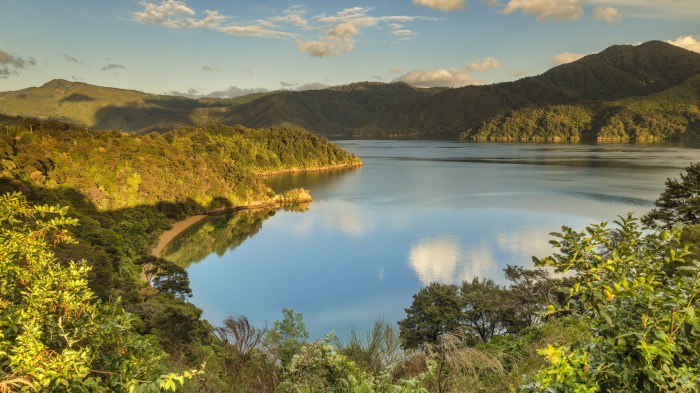
Dining at eco-lodges in New Zealand’s South Island is a unique culinary adventure that emphasizes sustainability while celebrating local flavors. With a commitment to environmental stewardship, these lodges showcase the best of New Zealand’s natural bounty, creating a dining experience that is both delicious and responsible. Guests not only enjoy mouthwatering meals but also become part of a movement that prioritizes health, sustainability, and community support through food.The culinary philosophy at eco-lodges revolves around sourcing local and organic ingredients, which is paramount in promoting sustainability.
Many lodges partner with nearby farms and producers, ensuring that their ingredients are fresh, seasonal, and produced with minimal environmental impact. This practice not only supports the local economy but also reduces the carbon footprint associated with transporting food over long distances. The use of organic produce and ethically raised meats also ensures that guests enjoy meals free from harmful pesticides and chemicals.
Sourcing Local and Organic Ingredients
The foundation of eco-lodge cuisine lies in the use of local and organic ingredients. This approach fosters a connection between guests and the land, as they savor dishes crafted from fresh, seasonal produce. The importance of this practice is twofold: it enhances the flavor and nutritional value of meals while also supporting sustainable agricultural practices.
- Food Sources: Many eco-lodges cultivate their own gardens, growing a variety of vegetables, herbs, and fruits that are used in the kitchen. This allows for hyper-local sourcing, ensuring utmost freshness.
- Local Partnerships: Eco-lodges often collaborate with nearby farmers and fishermen to source ingredients. This not only supports local businesses but also allows chefs to craft menus based on what’s available in the region.
- Organic Practices: By prioritizing organic ingredients, eco-lodges minimize chemical use in food production. This practice is vital for preserving the health of the soil and the surrounding ecosystems.
Importance of Seasonal Menus
Seasonal menus play a crucial role in promoting sustainability within the culinary offerings at eco-lodges. By changing their menus with the seasons, lodges can utilize ingredients at their peak freshness and flavor while minimizing waste. This practice also encourages the exploration of diverse flavors and traditional cooking methods that highlight local ingredients.
- Seasonal Availability: Dishes adapt to what is harvested at different times of the year, ensuring that guests experience the freshest produce that South Island has to offer.
- Reduced Waste: Seasonal menus reduce the likelihood of surplus ingredients that may go unused, leading to lower food waste and a more sustainable kitchen operation.
- Creative Cooking: Chefs are inspired to innovate with seasonal ingredients, offering guests a unique culinary experience that changes throughout the year.
Traditional South Island Dishes
At eco-lodges, guests can indulge in a variety of traditional South Island dishes that reflect the rich cultural heritage of the region. These meals often incorporate locally sourced ingredients and showcase the unique flavors of New Zealand.
- Hāngī: A traditional Māori method of cooking food underground, typically featuring meats and root vegetables, creating a smoky, tender flavor that is cherished by locals.
- Green-lipped Mussels: Harvested from the pristine waters of the South Island, these mussels are often prepared with fresh herbs and garlic, highlighting their natural sweetness.
- Venison: Grass-fed and often sourced from local farms, venison dishes served at eco-lodges celebrate the rich game meat available in the region, prepared using traditional cooking techniques.
Community Engagement and Impact
The eco-lodges in New Zealand’s South Island are more than just places to stay; they serve as vital links between travelers and local communities. Through thoughtful partnerships and a commitment to sustainability, these lodges foster community engagement that not only enhances the guest experience but also supports the local economy and cultural heritage.Community-focused initiatives are at the heart of many eco-lodges, allowing them to collaborate closely with the people who call this breathtaking region home.
By establishing partnerships with local communities, eco-lodges facilitate programs that benefit both visitors and residents alike. Such collaborations often involve sourcing goods and services from nearby artisans and businesses, ensuring that a portion of the tourism revenue remains within the community.
Partnerships with Local Communities
Eco-lodges actively engage with local communities through various partnerships that bolster economic development. These collaborations often revolve around the following key areas:
- Local Artisans: Many eco-lodges feature crafts, artwork, and products created by local artisans, allowing guests to purchase unique souvenirs while contributing to the livelihoods of these talented individuals.
- Farm-to-Table Initiatives: By sourcing ingredients from local farms, lodges not only provide fresh, organic meals for guests but also support local agriculture and reduce food miles.
- Cultural Experiences: Eco-lodges often organize workshops or cultural presentations led by local community members, giving visitors insight into Māori traditions and practices, thus preserving and promoting cultural heritage.
Support for Local Businesses
Supporting local businesses is crucial for sustaining community vibrancy. Eco-lodges implement various strategies to ensure that their operations positively impact the local economy. Some examples include:
- Collaborative Tours: Lodges partner with local tour operators to offer experiences such as guided hikes, wildlife encounters, and cultural tours, thereby directing tourism revenue back to the community.
- Promotional Campaigns: Many eco-lodges actively promote nearby shops, markets, and restaurants through their platforms, encouraging guests to explore and support the local economy during their stay.
- Employment Opportunities: Hiring local staff not only provides jobs but also enriches the guest experience with authentic local knowledge and hospitality.
Environmental Education for Visitors
Eco-lodges play a vital role in educating visitors about environmental sustainability and conservation efforts. By providing guests with immersive experiences, they raise awareness of pressing environmental issues. The following methods exemplify this educational engagement:
- Workshops and Seminars: Many lodges offer workshops on sustainable practices, such as organic gardening or waste reduction, empowering guests to adopt eco-friendly habits.
- Guided Nature Walks: Knowledgeable guides lead guests on explorations of the local ecosystem, highlighting native flora and fauna and discussing the importance of biodiversity conservation.
- Interactive Exhibits: Some lodges feature exhibits that showcase local conservation projects and initiatives, allowing guests to learn about ways they can contribute to preservation efforts.
Reviews and Testimonials from Guests
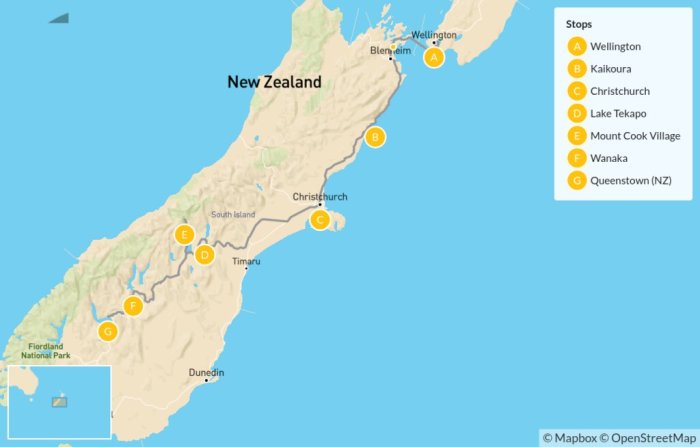
Many guests at eco-friendly lodges in New Zealand’s South Island have shared their transformative experiences, emphasizing the deeply sustainable practices that have enriched their stays. Visitors consistently express how their time in these lodges has not only provided comfort and luxury but also a profound understanding of environmental conservation. The testimonials reflect a collective appreciation for the harmony between hospitality and nature, which has inspired guests to adopt more sustainable lifestyles upon returning home.
Guest Experiences Highlighting Sustainability
The experiences shared by guests often highlight the unique sustainable features of the lodges, including renewable energy sources, locally sourced materials, and eco-friendly amenities. Guests frequently mention how these features enhance their overall experience, sparking a greater awareness of their environmental footprint. For example, one visitor noted,
“Staying at the eco-lodge made me realize how small changes in our daily lives can have a huge impact on the environment.”
Their stories illustrate the connection formed with nature during their stay, contributing to a shift in perspective regarding conservation.
- Connection to Nature: Guests often describe the serene surroundings that encourage them to connect deeply with the natural world. One visitor recalled hiking through lush forests, stating,
“The beauty of the untouched landscape was a reminder of what we stand to lose if we don’t protect it.”
- Educational Experiences: Many lodges offer workshops and guided tours focusing on local ecosystems. A guest shared,
“The hands-on experience with conservation projects taught us not just about the wildlife but also about our role in preserving it.”
- Adoption of Sustainable Practices: After their stay, numerous guests have committed to implementing eco-friendly practices in their own lives. A family reported,
“We were inspired to reduce our plastic use and started composting after witnessing the lodge’s sustainability practices.”
These testimonials not only affirm the positive impact of eco-lodges on individual guests but also highlight the broader influence these experiences can have on community conservation efforts. Through engaging stories and heartfelt reflections, visitors leave with an enriched understanding of their relationship with the environment, often leading to lifelong commitments to sustainability.
Future Trends in Eco-Friendly Lodging
As the global focus on sustainability intensifies, eco-friendly lodges in New Zealand’s South Island are poised to embrace innovative strategies that enhance their commitment to environmental stewardship. In this evolving landscape, emerging technologies and growing eco-tourism demand are reshaping the hospitality industry.
Emerging Technologies Enhancing Sustainability
Innovative technologies are being integrated into eco-lodging facilities, providing smarter and more efficient ways to operate while minimizing environmental impact. Some of the key advancements include:
- Renewable Energy Solutions: Solar panels, wind turbines, and geothermal heating systems are becoming staples in eco-lodges, allowing them to harness natural energy sources for power and heating.
- Smart Building Management Systems: These systems optimize energy usage through smart sensors and automation, adjusting lighting and heating based on occupancy, thereby reducing energy waste.
- Water Conservation Technologies: Rainwater harvesting systems and greywater recycling processes are increasingly implemented, enabling lodges to minimize freshwater usage and promote responsible water management.
- Eco-Friendly Materials: The use of sustainable building materials, such as bamboo and recycled wood, is on the rise, ensuring that construction practices align with ecological principles.
Growing Demand for Eco-Tourism, Eco-friendly lodge in New Zealand South Island
The rising interest in eco-tourism reflects a cultural shift toward more responsible travel choices, with travelers seeking experiences that contribute positively to the environment and local communities. This trend has significant implications for eco-lodging, including:
- Increased Guest Expectations: Travelers are now looking for lodges that not only provide comfort but also actively engage in sustainable practices and community support.
- Partnerships with Local Communities: Eco-lodges are fostering collaborations with local businesses and artisans, offering guests authentic experiences while boosting the local economy.
- Focus on Education and Awareness: Many eco-lodges are introducing programs that educate guests about sustainability practices, thereby inspiring them to adopt eco-friendly habits in their own lives.
Predictions for the Evolution of Eco-Lodging in New Zealand
The future of eco-lodging in New Zealand looks promising, with several trends likely to shape its trajectory in the coming years.
- Personalization and Unique Experiences: As competition increases, eco-lodges will need to tailor experiences to individual guests, creating immersive opportunities that emphasize local culture and nature.
- Integration of Health and Wellness: The wellness tourism sector is expected to intertwine with eco-lodging, as guests seek holistic experiences that promote both personal well-being and environmental health.
- Continuous Innovation in Sustainability: The commitment to sustainability will drive ongoing research and development in eco-friendly technologies, ensuring that lodges continuously improve their operations and reduce their carbon footprint.
- Global Eco-Certifications: As eco-lodges strive for recognition, more will pursue internationally recognized sustainability certifications, enhancing their credibility among eco-conscious travelers.
The evolution of eco-lodging is not just about comfort; it’s about creating a symbiotic relationship with nature and communities, paving the way for a sustainable future in travel.
Wrap-Up

In conclusion, choosing an eco-friendly lodge in New Zealand South Island is more than just a vacation; it’s a choice to support sustainable tourism and local communities. These lodges not only offer a unique lodging experience but also educate guests about the importance of conservation and environmental stewardship. As we look towards the future of eco-tourism, staying at these lodges ensures that we cherish and protect the natural beauty that surrounds us, leaving a positive impact for generations to come.
FAQ Corner
What sustainable materials are used in eco-lodges?
Eco-lodges often use reclaimed wood, bamboo, and low-impact materials that minimize environmental impact.
Are eco-lodges suitable for families?
Yes, many eco-lodges offer family-friendly accommodations and activities designed for all ages.
Can I participate in conservation efforts during my stay?
Absolutely! Many eco-lodges offer programs where guests can volunteer in local conservation projects.
What kind of cuisine can I expect at eco-lodges?
Expect delicious local and organic dishes, often featuring seasonal ingredients sourced from nearby farms.
How do eco-lodges contribute to local communities?
They often partner with local artisans and businesses, supporting the local economy and promoting cultural exchange.