Boutique hotel luxury takes center stage as a captivating concept in the hospitality industry, attracting discerning travelers seeking unique and memorable experiences. These hotels stand apart from traditional accommodations through their distinctive character, personalized service, and stylish design, creating an atmosphere that feels both intimate and high-end.
With a focus on luxury amenities and exceptional interior design, boutique hotels offer guests a tailored experience that reflects both local culture and modern elegance. From artisanal dining options to curated guest engagement strategies, boutique hotels are redefining what it means to enjoy luxury in a personal setting.
Defining Boutique Hotels
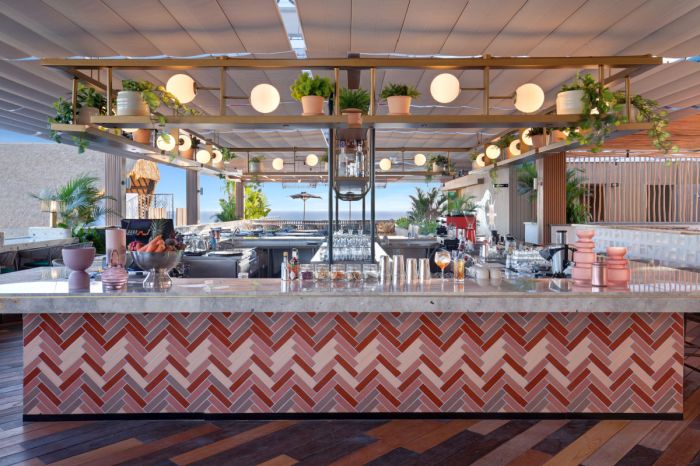
Source: thebalisun.com
Boutique hotels represent a distinctive category within the hospitality landscape, characterized by their intimate atmosphere, personalized service, and unique design. Unlike traditional hotels, which often prioritize standardization and efficiency, boutique hotels focus on providing a unique experience tailored to the preferences and needs of their guests. This approach not only enhances the guest experience but also fosters a deeper connection between the hotel and its clientele.The essence of boutique hotels lies in their ability to offer a blend of luxury and individuality.
These establishments are typically smaller in size, often featuring fewer than 100 rooms but packed with character and charm. They stand apart from traditional hotels through their dedication to artistic design, bespoke furnishings, and a strong emphasis on local culture and history. Guests can expect an experience that feels more like staying in a stylish friend’s home than in a generic hotel chain.
Characteristics of Luxury Boutique Hotels
Luxury boutique hotels are defined by several key characteristics that enhance their appeal. These features not only contribute to their luxury status but also differentiate them from larger hotels.
- Personalized Service: Guests receive tailored services that cater to individual preferences, making each stay memorable. Staff often go beyond standard hospitality training to create unique guest experiences.
- Unique Design: The architecture and interior design reflect a distinct style, often themed or inspired by local culture. This includes unique art pieces, custom furniture, and curated decor that creates a cohesive visual narrative.
- Exclusivity: With a limited number of rooms, boutique hotels offer an intimate setting. This exclusivity is appealing for travelers seeking privacy and a personalized touch.
- Local Integration: Many boutique hotels incorporate elements from their surroundings, including local art, cuisine, and cultural experiences, allowing guests to immerse themselves in the destination.
- Attention to Detail: From the quality of linens to the selection of toiletries, luxury boutique hotels prioritize high-end amenities that enhance comfort and indulgence.
Aesthetic Appeal of Boutique Hotels, Boutique hotel luxury
The aesthetic appeal of boutique hotels is a crucial element that defines their luxury status. The design is often a harmonious blend of comfort and artistry, with several components contributing to this allure.
- Custom Artwork: Many boutique hotels feature original artworks created by local artists, adding a personal touch and reflecting the culture of the area.
- Architectural Style: The architecture often draws inspiration from the surrounding environment or historical context, showcasing unique structural designs that attract attention.
- Thoughtful Layout: The layout of the hotel is designed to create flow and intimacy, with spaces that encourage relaxation and exploration.
- Luxury Furnishings: High-quality furniture that blends comfort with design aesthetics is prevalent, ensuring that each space feels both stylish and inviting.
- Lighting Design: Expertly planned lighting enhances the ambiance, creating a mood that complements the overall decor and enhances the guest experience.
“Boutique hotels redefine luxury through unique experiences, personalized service, and a strong sense of place.”
Luxury Amenities in Boutique Hotels

Source: travelandleisure.com
Boutique hotels are renowned for their intimate atmosphere and unique character, which is often reflected in the luxury amenities they offer. These amenities not only set them apart from larger hotel chains but also enhance the overall guest experience by providing personalized services and unique touches that cater to individual preferences.Luxury amenities in boutique hotels can include a variety of offerings that help create a more memorable stay.
These may encompass high-end toiletries, gourmet dining options, curated mini-bars, and luxurious in-room technology. Additionally, many boutique hotels pride themselves on providing personalized services that enhance their guests’ experiences, such as bespoke concierge assistance and tailor-made activities that cater to individual interests.
Personalized Services Enhancing Guest Experiences
The importance of personalized services in boutique hotels cannot be overstated. These hotels often employ staff who are trained to remember guest preferences and provide a more individualized approach to service. Guests receive a level of attention and care that is often absent in larger hotel chains, leading to an enhanced overall experience. Some examples of personalized services that boutique hotels may offer include:
- Custom welcome packages tailored to guests’ preferences, such as favorite snacks or beverages waiting in the room upon arrival.
- Personalized itineraries created by knowledgeable staff who can suggest local attractions and hidden gems based on guest interests.
- Dedicated staff who remember returning guests and their preferences, ensuring a familiar and comfortable stay each time.
Boutique hotels also frequently feature unique amenities that set them apart from larger chains. These distinctive offerings can range from artisanal breakfast options prepared with locally sourced ingredients to thoughtfully designed communal spaces that encourage guest interaction and engagement. In addition to the standard luxury amenities, boutique hotels may provide:
- Exclusive wellness services, such as yoga classes or spa treatments that are tailored to individual needs and preferences.
- Specialty drink menus featuring locally crafted beverages or signature cocktails created by expert mixologists.
- Unique room features, like outdoor terraces, vintage furnishings, or art pieces from local artists that add character and charm to each space.
“In boutique hotels, luxury lies in the details, where every amenity and service is curated to provide a unique and unforgettable experience.”
This focus on luxury amenities and personalized services allows boutique hotels to create an atmosphere of exclusivity and comfort that appeals to discerning travelers seeking a truly memorable stay.
Interior Design and Ambiance
The interior design and ambiance of a boutique hotel play an essential role in crafting a unique and luxurious experience for guests. Unlike larger, chain hotels, boutique hotels focus on creating a personalized atmosphere that reflects the character of the location while ensuring comfort and elegance. This blend of style, art, and attention to detail is what sets boutique hotels apart, creating spaces that guests remember long after their stay.The significance of interior design extends beyond mere aesthetics; it influences mood, comfort, and overall guest satisfaction.
Thoughtfully chosen colors, textures, and layouts can evoke feelings of tranquility or excitement, thus enhancing the overall experience. For instance, the use of natural light and open spaces can foster a sense of relaxation, while bold designs and vibrant art can invigorate the atmosphere.
Examples of Exceptional Boutique Hotels
Several boutique hotels around the globe have mastered the art of interior design and ambiance, creating environments that leave a lasting impression. Here are a few noteworthy examples:
- Hotel 41, London: Known for its lavish décor, Hotel 41 features a contemporary yet classic design with rich fabrics and luxurious furnishings. The hotel boasts a sophisticated and intimate atmosphere, perfect for guests seeking a refined experience.
- The NoMad Hotel, New York City: This hotel combines European elegance with a modern twist. Its interior is characterized by a blend of rich colors, patterned textiles, and vintage-inspired furnishings, creating a warm and inviting ambiance that reflects the vibrant culture of NYC.
- La Maison Favart, Paris: Emphasizing a theatrical theme, this hotel showcases opulent design elements inspired by the 18th-century French opera. Guests are greeted with elegant décor that incorporates luxurious fabrics and ornate furniture, making each stay a truly unique experience.
The ambiance of these hotels is cultivated through meticulous design choices, such as the use of ambient lighting, art installations, and curated furnishings that tell a story.
“Design is not just what it looks like and feels like. Design is how it works.” – Steve Jobs
In conclusion, the interior design and ambiance of boutique hotels are vital components that significantly enhance guest experience. By prioritizing aesthetics and atmosphere, boutique hotels create memorable environments that resonate with their guests long after they check out.
Location and Target Audience: Boutique Hotel Luxury
Source: bottlestore.com
The location of a boutique hotel plays a vital role in its identity and appeal. These hotels are strategically situated in areas that not only highlight the local culture but also cater specifically to the tastes and preferences of their target demographic. The blend of unique surroundings and tailored experiences attracts modern travelers searching for something beyond the ordinary.Boutique hotels thrive in city centers, trendy neighborhoods, and picturesque destinations, often taking residence in historical buildings or architecturally unique establishments.
These locations offer guests the convenience of exploring vibrant local scenes, artisan shops, and culinary delights. Additionally, boutique hotels often attract a specific demographic, including young professionals, couples, and travelers seeking an immersive experience rather than a cookie-cutter stay.
Ideal Locations for Boutique Hotels
The choice of location for boutique hotels is crucial, as it directly influences the type of guests who will be drawn to them. Ideal settings include:
- Cultural Hotspots: Cities rich in history and art, such as Paris, Rome, and Kyoto, provide an inspiring backdrop that enhances the boutique hotel experience.
- Urban Centers: Vibrant neighborhoods in major cities like New York, London, and Los Angeles are popular for boutique hotels that capitalize on local nightlife and dining.
- Scenic Destinations: Coastal towns, mountain resorts, and countryside retreats offer tranquil escapes that cater to couples and families looking for relaxation.
- Emerging Areas: Up-and-coming neighborhoods provide boutique hotels with the opportunity to attract adventurous travelers seeking the next trendy locale.
The appeal of boutique hotels is particularly strong among modern travelers who value unique experiences. These guests are often looking for accommodations that provide a sense of place, where the atmosphere and service reflect the local culture. This desire for authenticity enhances the overall travel experience, making boutique hotels an attractive option.
Guest Demographics and Preferences
Boutique hotels cater to a diverse array of guests, each with distinct preferences and expectations. The primary types of travelers attracted to these hotels include:
- Millennials and Gen Z: Younger generations prioritize experiences over material possessions, making boutique hotels appealing as they offer personalized service and unique local experiences.
- Couples and Honeymooners: Romantic getaways are enhanced by the intimate ambiance and bespoke services found in boutique hotels, ideal for creating lasting memories.
- Business Travelers: Professionals seeking a comfortable yet stylish environment often prefer boutique hotels for their amenities and proximity to business hubs.
- Cultural Enthusiasts: Travelers interested in local art, history, and traditions are drawn to boutique hotels that reflect their surroundings, providing insights into the culture of the area.
The modern traveler’s quest for unique, memorable experiences shapes the appeal of boutique hotels, positioning them favorably in a competitive market. As these hotels continue to evolve, they remain focused on providing personalized service and meaningful encounters, ensuring that every guest feels like a cherished part of the local story.
Marketing Strategies for Boutique Hotels
Attracting luxury clientele to boutique hotels requires a well-crafted marketing plan that resonates with the unique character of the hotel and its target audience. Boutique hotels thrive on their individuality, and creating a marketing strategy that highlights this essence is essential for drawing in guests who appreciate luxury and personal touch in their travels. One of the most effective marketing strategies for boutique hotels is to leverage their unique story and brand identity.
Every boutique hotel has a narrative—whether it’s tied to the location, history, or the concept behind its design. This storytelling not only sets the hotel apart from larger, more generic hotel chains but also creates an emotional connection with potential guests. Luxury travelers are drawn to experiences that feel personal and authentic, making storytelling a vital component of any marketing strategy.
Importance of Storytelling and Branding
Branding in the boutique hotel industry goes beyond just a logo or a catchy tagline. It involves creating an atmosphere and a perception that resonates with luxury clientele. A well-defined brand identity helps guests understand what to expect from their stay, elevating their overall experience. Here are key elements to consider in storytelling and branding:
Authenticity
Communicate the true story of the hotel, whether it’s the architectural style, local culture, or the passion behind its creation. Authenticity fosters trust and loyalty among guests.
Visual Identity
Use high-quality imagery that showcases the hotel’s ambiance, design, and amenities. Captivating visuals can convey the story and mood of the experience, helping potential guests envision their stay.
Guest Testimonials
Sharing stories from previous guests can build credibility. Real experiences can resonate with potential travelers and enhance the hotel’s appeal.
Social Media Presence
Curate content on platforms like Instagram and Pinterest that reflects the hotel’s brand. Engaging visuals and compelling narratives can draw a luxury audience, showcasing moments that align with their lifestyle.A notable example of successful branding is the Hotel Daniel in Vienna. Its marketing campaign emphasizes its unique blend of modern design and historical elements, allowing guests to feel connected to the city’s rich heritage while enjoying contemporary luxury.
Successful Marketing Campaigns from Top Boutique Hotels
Various boutique hotels have successfully implemented innovative marketing campaigns that resonate with luxury travelers. These examples illustrate the importance of distinctive branding and targeted marketing strategies:
The Hoxton Hotel
This hotel chain excels in creating a community vibe through its “Local Guide” campaign. By offering experiences curated by locals, it positions itself as not just a place to stay but as a gateway to the culture of the area. The campaign emphasizes the authenticity of the local experience, appealing to travelers who seek to immerse themselves in the local culture.
The James Hotel
Known for its “The James Experience,” this campaign focuses on personalized guest experiences. Each guest receives tailored recommendations and services based on their preferences. This approach highlights the hotel’s commitment to luxury and personalized service, effectively attracting high-end clientele.
The Standard Hotels
Their marketing strategy combines playful branding with a focus on unique experiences. The “Standard Culture” campaign emphasizes art, design, and nightlife, attracting a trendy, luxury-seeking audience. Their use of social media and influencer partnerships amplifies their reach and helps build a community around the brand.These examples demonstrate that storytelling and branding, when executed thoughtfully, can significantly enhance a boutique hotel’s marketing strategy, ultimately attracting a discerning clientele that seeks luxury and unique experiences.
Sustainability Practices in Luxury Boutique Hotels
The luxury hospitality sector is increasingly recognizing the importance of sustainability, not just as an ethical responsibility but also as a competitive advantage. Boutique hotels, in particular, are positioned uniquely to adopt sustainable practices that demonstrate their commitment to environmental stewardship while enhancing the guest experience. By integrating sustainability into their operational models, boutique hotels can attract a growing segment of eco-conscious travelers who prioritize responsible luxury.Sustainability in boutique hotels encompasses a variety of practices designed to minimize environmental impact, promote resource efficiency, and support local communities.
Implementing these initiatives can significantly enhance the overall guest experience and foster brand loyalty. Here are some effective sustainable practices that boutique hotels can adopt:
Energy Efficiency Measures
Energy efficiency is critical for reducing operational costs and environmental impact. Boutique hotels can implement various strategies to optimize energy consumption. Examples include:
- Installing energy-efficient lighting systems, such as LED bulbs, which consume less power and last longer than traditional options.
- Utilizing smart thermostats to control heating and cooling systems efficiently, reducing energy waste when rooms are unoccupied.
- Incorporating renewable energy sources, such as solar panels, to offset electricity consumption and reduce reliance on non-renewable energy.
Water Conservation Techniques
Water conservation is essential in the hospitality industry, where water usage can be substantial. Boutique hotels can adopt several practices to conserve water:
- Implementing low-flow fixtures in bathrooms and kitchens to reduce water consumption without sacrificing guest comfort.
- Utilizing rainwater harvesting systems to collect and repurpose rainwater for irrigation or toilet flushing.
- Educating staff and guests on water conservation practices, encouraging mindful usage during their stay.
Waste Reduction Initiatives
Minimizing waste is a crucial aspect of sustainable operations. Boutique hotels can implement several initiatives to reduce waste generation:
- Adopting recycling programs that allow guests and staff to separate recyclables from general waste, promoting a culture of recycling.
- Partnering with local farms and suppliers to implement farm-to-table dining concepts, reducing food waste through smart inventory management.
- Offering digital check-in and other paperless options to decrease the use of paper products.
Case Studies of Successful Green Initiatives
Several boutique hotels have successfully integrated sustainability into their operations, serving as excellent case studies for others in the industry. For example:
- The 1 Hotel South Beach in Miami, known for its commitment to sustainability, features a rooftop garden that supplies ingredients for its on-site restaurants. The hotel also uses reclaimed materials and implements a zero-waste philosophy.
- Hotel Verde in Cape Town, South Africa, prides itself on being the greenest hotel on the continent, utilizing solar energy, greywater recycling, and an extensive composting program to minimize their environmental footprint.
- The Whitepod Resort in Switzerland combines luxury with eco-friendly design, featuring energy-efficient chalets that blend into the Alpine landscape, using sustainable materials and promoting local wildlife conservation efforts.
Culinary Offerings in Boutique Hotels
Culinary experiences play a pivotal role in enhancing the luxury boutique hotel sector, transforming each dining occasion into a memorable journey that complements the overall guest experience. In the competitive landscape of boutique accommodations, where uniqueness and personalization are paramount, exceptional culinary offerings can serve as a distinguishing feature that elevates a hotel’s appeal. Guests are increasingly seeking out experiences that delight their senses, making gastronomic excellence a key component of luxury stays.The trend of farm-to-table dining has gained immense traction in boutique hotels, appealing to guests who value freshness, sustainability, and local flavor.
This dining philosophy emphasizes sourcing ingredients from local farms and producers, thereby supporting the community while ensuring high-quality meals that reflect the region’s character. By showcasing local produce, boutique hotels not only enhance their culinary offerings but also create an authentic atmosphere that resonates with guests, allowing them to connect with the surroundings on a deeper level.
Examples of Boutique Hotels with Exceptional Dining Options
Many boutique hotels have embraced this trend, curating remarkable dining experiences that feature talented chefs and unique menus. Here are a few standout examples:
- Farmhouse Inn, Sonoma County, California: This charming boutique hotel seamlessly integrates its culinary offerings with the surrounding wine country. The on-site restaurant, helmed by a Michelin-starred chef, focuses on hyper-local ingredients and seasonal menus, creating a dining experience that echoes the essence of Sonoma.
- The NoMad Hotel, New York City: Known for its stunning interiors and vibrant atmosphere, The NoMad offers a sophisticated dining experience with a French-inspired menu crafted by an acclaimed chef. Guests can indulge in exquisite dishes that emphasize quality and creativity, often using locally sourced ingredients.
- Hotel Wailea, Maui, Hawaii: This adults-only boutique hotel features a farm-to-table dining concept at its award-winning restaurant. The culinary team creates dishes that highlight the rich flavors of Hawaiian cuisine while sourcing fresh produce from local farms and the hotel’s own garden.
Each of these hotels demonstrates how exceptional culinary offerings can enhance the overall guest experience, making dining not just a necessity but an integral part of the luxury stay. The focus on fresh, local ingredients not only supports sustainable practices but also ensures that guests enjoy dishes that are both delicious and reflective of the locale.
Guest Engagement and Experience
Creating a memorable guest experience is paramount in boutique hotels, where personalized service and unique offerings reign supreme. Engaging guests effectively transforms their stay from a mere visit into an unforgettable experience, fostering loyalty and positive word-of-mouth. To achieve this, boutique hotels must adopt innovative strategies that enhance engagement while ensuring luxury and comfort.Technology plays a crucial role in elevating the guest experience without compromising the luxurious ambiance of boutique hotels.
By integrating smart systems and user-friendly applications, hotels can provide seamless services that cater to the specific needs and preferences of their guests. These technological advancements not only streamline operations but also enhance the overall guest experience.
Strategies for Enhancing Guest Engagement
Implementing effective engagement strategies is essential for boutique hotels to stand out in a competitive marketplace. Here are some key strategies to consider when enhancing guest engagement:
- Personalized Communication: Utilizing data to tailor communications can significantly enhance the guest experience. For instance, sending personalized welcome messages or special offers based on previous stays can make guests feel valued and recognized.
- Interactive Experiences: Offering unique activities or workshops, such as local art classes, cooking lessons, or guided tours, can encourage guests to participate and bond with the hotel and its surroundings.
- Loyalty Programs: Developing enticing loyalty programs that reward repeat guests with exclusive benefits, such as complimentary upgrades or personalized experiences, fosters a sense of belonging and encourages return visits.
- Feedback Channels: Establishing accessible channels for guests to provide feedback ensures that their voices are heard. This can foster a sense of community and trust. Additionally, acting on feedback demonstrates that the hotel values guest opinions.
Role of Technology in Guest Experiences
In today’s digital age, technology is an invaluable asset for enhancing luxury experiences while maintaining a personal touch. Here are some ways technology can be utilized:
- Mobile Apps: Creating dedicated apps allows guests to check-in, control room settings, and communicate with staff seamlessly. This convenience adds a layer of luxury to their stay.
- Smart Room Features: Implementing smart technology, such as voice-activated controls for lighting and temperature, enhances comfort and personalization in each room.
- Virtual Concierge Services: Offering virtual concierge options through chatbots or apps allows guests to access information and book services at their convenience, ensuring a smooth experience without compromising the hotel’s luxurious feel.
Examples of Successful Guest Engagement Programs
Several boutique hotels have successfully implemented guest engagement programs that have garnered positive feedback and loyalty from guests. Here are a few notable examples:
- The Ace Hotel chain offers a range of community events and activities that encourage guest interaction, from yoga classes to art exhibitions, creating a vibrant atmosphere.
- Hotel Emma in San Antonio focuses on storytelling as a form of guest engagement, providing unique experiences that connect guests with the history and culture of the area.
- 21c Museum Hotel integrates contemporary art into the guest experience, allowing guests to engage with art installations throughout their stay, making each visit a unique journey.
By employing these strategies and embracing technology, boutique hotels can foster deep connections with their guests, ultimately leading to enhanced satisfaction and loyalty.
Final Summary
In summary, boutique hotel luxury encompasses a blend of personalized service, exquisite design, and unique amenities that cater to the modern traveler. As these hotels continue to evolve, they are set to influence the future of luxury hospitality by prioritizing sustainability, exceptional culinary experiences, and guest engagement, making each stay not just a visit, but a memorable journey.
Essential FAQs
What defines a boutique hotel?
A boutique hotel is characterized by its small size, unique design, personalized service, and distinct personality, often reflecting the local culture.
Are boutique hotels more expensive than traditional hotels?
While boutique hotels can be pricier due to their luxury amenities and personalized services, prices vary widely depending on location and offerings.
What amenities can I expect at a boutique hotel?
Guests typically enjoy luxury amenities such as spa services, gourmet dining, bespoke experiences, and tailored concierge services.
How do boutique hotels engage guests differently?
Boutique hotels often use technology and personal connections to enhance guest experiences, providing customized itineraries and local insights.
What role does sustainability play in boutique hotels?
Sustainability is increasingly important, with many boutique hotels implementing eco-friendly practices and sourcing local products to reduce their environmental impact.