Eco-resort in Costa Rica with wildlife tours takes center stage as an exciting destination for eco-conscious travelers. Nestled in the heart of lush jungles and vibrant landscapes, these eco-resorts offer unparalleled opportunities to immerse yourself in nature while enjoying luxurious accommodations. Here, you can engage in thrilling wildlife tours that not only bring you close to Costa Rica’s rich biodiversity but also contribute to sustainable tourism practices that preserve the environment for generations to come.
From bird watching to guided hikes, the experiences offered are designed to educate and inspire guests about the local ecosystem. As you explore the diverse habitats, you’ll gain insights into the sustainable practices employed by these resorts, making your visit not just a vacation but a responsible adventure.
Eco-Resorts Overview
Eco-resorts are unique accommodations that prioritize environmental sustainability and conservation, making them a vital part of the sustainable tourism landscape. These resorts aim to minimize their ecological footprint while providing guests with immersive experiences in nature, showcasing local wildlife, and promoting conservation efforts. By integrating eco-friendly practices, they help raise awareness about environmental issues and encourage responsible travel among visitors.In Costa Rica, several eco-resorts exemplify this commitment to sustainability and wildlife conservation.
Notable examples include Lapa Rios Lodge, located in the Osa Peninsula, which offers guided wildlife tours in the rich rainforest surrounding the property, and EcoTermales, known for its geothermal hot springs nestled in the heart of a lush tropical forest. Another excellent choice is the Pacuare Nature Reserve, where visitors can engage in white-water rafting while spotting diverse wildlife along the riverbanks.Common sustainable practices adopted by eco-resorts serve to protect the environment and enhance guest experiences.
These practices often include the use of renewable energy sources, water conservation techniques, organic farming for on-site food production, and waste reduction initiatives. It’s important to recognize how these efforts contribute to the preservation of local ecosystems and biodiversity.
Sustainable Practices of Eco-Resorts
Eco-resorts implement various sustainable practices that not only reduce their impact on the environment but also provide educational experiences for guests. These practices contribute significantly to the overall mission of sustainability within the tourism industry.
Renewable Energy Utilization
Many eco-resorts harness solar, wind, or hydroelectric power to run their facilities. By relying on these resources, they significantly reduce carbon emissions and lessen dependence on fossil fuels. For instance, several resorts in Costa Rica have installed solar panels to power their operations.
Water Conservation Efforts
Eco-resorts often employ rainwater harvesting systems and graywater recycling techniques. These systems minimize water waste and promote efficient water use throughout the property. Guests may notice features like low-flow fixtures and native landscaping that requires less water.
Organic and Local Food Sourcing
Many eco-resorts grow their own organic produce or source ingredients from local farmers, reducing the carbon footprint associated with food transportation. This not only supports the local economy but also enhances the freshness and quality of meals served to guests.
Wildlife Conservation Programs
Some eco-resorts partner with local conservation organizations to protect endangered species and their habitats. This can include guided wildlife tours that educate guests about local flora and fauna while contributing to research and conservation efforts.
Waste Management Initiatives
Eco-resorts often implement strict waste management policies, including recycling programs and composting organic waste. Guests may be encouraged to participate in these efforts, making them more aware of their own consumption habits.
Cultural and Community Engagement
Many eco-resorts promote cultural awareness by collaborating with local communities, offering guests opportunities to participate in traditional activities and learn about indigenous cultures. This fosters respect and understanding of local traditions while providing economic benefits to the community.By adopting such sustainable practices, eco-resorts not only contribute to environmental preservation but also create a more meaningful and enriching experience for their guests.
Wildlife Tours Offered

Source: b-cdn.net
Costa Rica is renowned for its rich biodiversity and is a hotspot for wildlife enthusiasts. Eco-resorts in this tropical paradise provide immersive experiences through a variety of wildlife tours that allow guests to connect with nature while exploring the unique ecosystems. These tours not only highlight the stunning flora and fauna but also promote conservation and education about the delicate balance of these environments.The types of wildlife tours typically available at eco-resorts include guided hikes, bird watching excursions, and nocturnal wildlife explorations.
These experiences are designed to provide guests with intimate encounters with Costa Rica’s diverse wildlife. During these tours, participants may come across an array of species, making each outing a unique adventure.
Wildlife Species Encountered
Guests embarking on wildlife tours can expect to encounter a variety of species that define the rich ecological tapestry of Costa Rica. The following list highlights some of the remarkable wildlife that is often seen during these excursions:
- Sloths: These slow-moving mammals are common in the rainforests, usually found hanging from branches.
- Howler Monkeys: Famous for their distinctive calls, these monkeys can be heard long before they are seen.
- Scarlet Macaws: Known for their vibrant colors, these birds are often spotted soaring through the canopy.
- Blue Morphos: These stunning butterflies, with their iridescent blue wings, are a highlight during nature walks.
- Red-Eyed Tree Frogs: Easily recognizable by their bright colors and bulging eyes, they are often seen near water sources.
- Tapirs: These unique mammals are typically found near rivers and are known for their pig-like appearance.
Activities Included in Wildlife Tours
Wildlife tours at eco-resorts encompass a range of engaging activities designed to enhance the overall experience. Each activity is tailored to immerse guests in the natural world while fostering a deeper appreciation for wildlife conservation. Below is a comprehensive list of activities often included in these tours:
- Guided Nature Walks: Led by knowledgeable guides, these walks explore various habitats and educate participants about local flora and fauna.
- Bird Watching: Specialized birding tours are available for enthusiasts eager to spot a wide variety of avian species.
- Nocturnal Wildlife Exploration: These guided tours allow guests to experience the rainforest after dark, unveiling the secrets of nighttime wildlife.
- Photography Tours: Tailored for photography enthusiasts, these tours focus on capturing the stunning biodiversity of Costa Rica.
- Interactive Educational Sessions: Guests can participate in workshops and discussions about wildlife conservation and local ecosystems.
- River and Wetland Tours: Eco-resorts often offer boat tours that provide a different perspective of wildlife in aquatic habitats.
“Experiencing the diverse wildlife of Costa Rica through these tours is not just about sighting animals; it’s about understanding their role in the ecosystem and the importance of preserving their habitats.”
Environmental Impact
Eco-resorts in Costa Rica not only provide a unique travel experience but also play a significant role in promoting environmental sustainability. By prioritizing eco-friendly practices and engaging guests in nature conservation, these resorts contribute positively to the local ecosystem while offering visitors a chance to connect with nature. The combination of eco-tourism and wildlife tours in this biodiverse region creates a symbiotic relationship between the environment and the economy.The positive environmental impacts of eco-resorts and wildlife tours are multifaceted, enhancing local ecosystems and fostering conservation efforts.
These establishments typically use environmentally friendly building materials, implement waste management systems, and employ renewable energy sources, which collectively reduce their carbon footprint. Furthermore, by promoting wildlife tours, eco-resorts actively involve tourists in conservation activities that benefit the surrounding flora and fauna. Tourists are educated about the importance of biodiversity, and their engagement helps fund preservation programs.
Contribution to Conservation Efforts
Wildlife tours offered by eco-resorts serve as a crucial element in conservation strategies within Costa Rica by raising awareness and generating support for environmental efforts. The following points illustrate how these tours contribute to the conservation of local ecosystems:
- Active Engagement: Through guided tours, visitors learn about the significance of local wildlife and ecosystems, fostering a sense of responsibility towards conservation.
- Financial Support: Revenues from wildlife tours often fund local conservation projects and initiatives aimed at protecting endangered species and habitats.
- Habitat Preservation: Eco-resorts often work in collaboration with conservation organizations to maintain and restore natural habitats, ensuring the survival of native species.
- Community Involvement: Eco-resorts engage local communities in conservation efforts, providing them with incentives to protect their natural resources and biodiversity.
- Research Opportunities: Wildlife tours often facilitate research by providing scientists and conservationists access to ecosystems for study, helping to inform conservation strategies.
“The interplay of eco-tourism and wildlife conservation creates a sustainable model that benefits both the environment and local economies.”
Preservation of Biodiversity
Eco-resorts actively contribute to the preservation of biodiversity in Costa Rica, a country renowned for its rich and diverse ecosystems. These resorts practice sustainable tourism, which allows them to protect and enhance local biodiversity while minimizing environmental impact. By integrating conservation into their business models, they ensure that future generations can experience the beauty of the region. Notable practices include:
- Reforestation Projects: Many eco-resorts participate in or fund reforestation efforts to restore degraded areas, enhancing habitat for various species.
- Sustainable Agricultural Practices: Eco-resorts often promote organic farming and permaculture, which help maintain soil health and promote biodiversity.
- Wildlife Corridors: Some resorts develop wildlife corridors that facilitate safe passage for animals, reducing human-animal conflict and promoting genetic diversity.
- Environmental Education: By providing educational materials and programs for guests, eco-resorts raise awareness about local species and the importance of conservation.
- Support for Local Conservation Groups: Many eco-resorts collaborate with local environmental organizations, providing financial or logistical support to ongoing conservation initiatives.
“Sustainability is not just a practice but a philosophy that drives the mission of eco-resorts and their commitment to biodiversity.”
Guest Experience
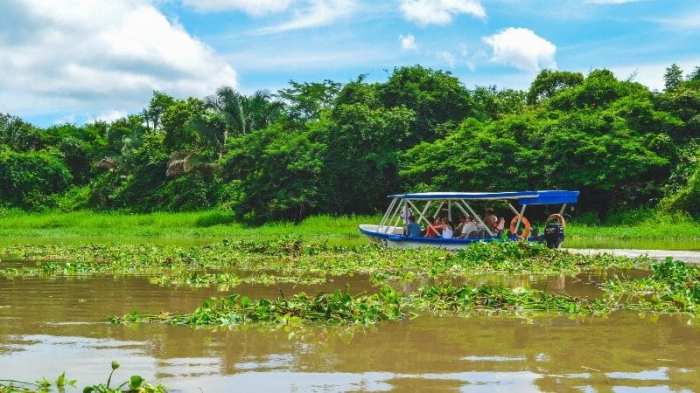
The guest experience at eco-resorts in Costa Rica is a blend of luxury, adventure, and environmental consciousness, making every stay memorable. Guests often leave with stories of extraordinary wildlife encounters and unforgettable memories crafted through immersive activities. The combination of knowledgeable guides and thoughtfully designed experiences elevates their stay beyond mere accommodation.
Testimonials from Guests
Many guests share their delight in experiencing wildlife tours that offer a glimpse into Costa Rica’s rich biodiversity. One guest remarked,
“The guided night walk was a highlight of our trip. Our guide was not only knowledgeable but also passionate about the ecosystem, making the experience feel personal and special.”
Such testimonials reflect the powerful connections guests form with nature and their appreciation for the staff’s expertise.
Essential Features Enhancing Guest Experiences
To create unforgettable experiences, eco-resorts incorporate several essential features that resonate with guests’ desire for authenticity and adventure. These features not only ensure engagement but also promote a deeper understanding of the environment.
- Knowledgeable Guides: Trained naturalists enhance tours with their insights, providing guests with detailed information about flora and fauna, fostering a deep appreciation for wildlife.
- Immersive Activities: Activities such as canopy tours, birdwatching, and swimming in natural hot springs allow guests to engage directly with the landscape.
- Personalized Itineraries: Many resorts offer customizable experiences tailored to guests’ interests, whether it’s wildlife photography or cultural experiences with local communities.
- Wellness Offerings: Yoga sessions in serene natural settings and organic farm-to-table dining options promote relaxation and well-being during their stay.
Luxury and Sustainability Balance
Eco-resorts excel at providing a balance between luxury and sustainability, ensuring that guests enjoy high-quality services while minimizing their environmental footprint. The following aspects illustrate this balance:
- Eco-Friendly Accommodations: Resorts feature stylish lodges built with sustainable materials, offering comfort without compromising environmental integrity.
- Responsible Tourism Practices: Initiatives such as waste reduction programs and energy-efficient systems ensure that luxury does not come at the cost of the environment.
- Community Engagement: Many resorts engage with local communities, offering guests the chance to support local artisans and participate in culturally enriching experiences.
Through these efforts, eco-resorts provide an enriching experience that not only satisfies the guests’ desire for luxury but also reinforces the importance of environmental stewardship.
Planning Your Visit
Planning a visit to an eco-resort in Costa Rica involves thoughtful consideration of various factors to ensure an unforgettable experience. This tropical paradise, renowned for its stunning biodiversity, provides unique opportunities to connect with nature. To get started on your journey, you’ll want to gather important information and prepare adequately for both your stay and wildlife tours.When it comes to organizing your trip, there are several key steps to follow.
From selecting your eco-resort to booking wildlife tours, a well-planned visit will enhance your overall experience. Each aspect contributes significantly to your interaction with the natural environment of Costa Rica.
Steps for Planning Your Visit
Begin your adventure by following these essential steps for a successful trip to an eco-resort:
1. Research Your Eco-Resort
Explore various eco-resorts that align with your values and preferences. Look for reviews, amenities, and the types of wildlife tours offered.
2. Determine Travel Dates
Decide when you want to visit, keeping in mind the best seasons for wildlife viewing and eco-tourism experiences.
3. Book Accommodations
Once you’ve chosen your resort, make your reservations well in advance to secure the best rates and availability.
4. Plan Wildlife Tours
Research the wildlife tours available at your resort or nearby. Consider booking these tours in advance, as popular options can fill up quickly.
5. Prepare Travel Documentation
Ensure your passport and any necessary visas are up to date. Check for any travel advisories or health requirements.
6. Arrange Transportation
Plan how you’ll get to the eco-resort, whether by rental car, shuttle, or public transport.
7. Pack Accordingly
Make a comprehensive packing list that considers the climate and activities you’ll be participating in.
Checklist of Essential Items for a Wildlife Tour, Eco-resort in Costa Rica with wildlife tours
Preparing for a wildlife tour means ensuring you have everything you need to enhance your experience while staying comfortable and safe. Here’s a checklist of essential items:
Comfortable Clothing
Choose lightweight, moisture-wicking fabrics and layers for varying temperatures.
Sturdy Footwear
Waterproof hiking boots are ideal for exploring trails and uneven terrain.
Binoculars
A good pair of binoculars enhances wildlife viewing opportunities.
Camera
Capture the amazing sights and memories with a reliable camera or smartphone.
Insect Repellent
Protect yourself from bugs, especially in tropical environments.
Sunscreen
Use sunscreen to shield your skin from UV rays.
Water Bottle
Stay hydrated by bringing a refillable water bottle.
Field Guide
A guide to local wildlife can enrich your understanding and appreciation of what you see.
Best Seasons for Wildlife Viewing
Costa Rica has distinct wet and dry seasons that influence wildlife viewing opportunities. Understanding the climate can optimize your eco-tourism experience.
Dry Season (December to April)
This is considered the best time for wildlife viewing as animals are more active and the weather is pleasant. Migratory birds and sea turtles are often spotted during this time.
Green Season (May to November)
While there is more rainfall, this season is ideal for observing nesting sea turtles and lush biodiversity. Many species of frogs and insects are also more visible.Remember, the right timing can significantly enhance your chances of witnessing the rich wildlife of Costa Rica in its natural habitat.
Community Involvement: Eco-resort In Costa Rica With Wildlife Tours
Eco-resorts in Costa Rica play a pivotal role in fostering relationships with local communities and supporting their economic growth. By actively engaging with residents, these resorts contribute to the preservation of cultural heritage while enhancing the overall guest experience through authentic interactions. The commitment to community well-being is evident in the variety of initiatives and partnerships formed between eco-resorts and local organizations.Eco-resorts are dedicated to integrating local communities into their operational frameworks, ensuring that the benefits of tourism reach those who contribute to the unique cultural and environmental landscape.
This symbiotic relationship not only uplifts local economies but also promotes sustainable practices that benefit both the ecosystems and the populations that inhabit them.
Partnerships with Conservation Organizations
Collaborations between eco-resorts and conservation organizations are crucial in advancing environmental protection efforts. These partnerships help in various ways, including:
- Funding Conservation Projects: Eco-resorts often allocate a portion of their profits to fund local conservation efforts, such as wildlife protection initiatives and habitat restoration projects.
- Education and Awareness: Collaborations facilitate educational programs aimed at both guests and local residents, emphasizing the importance of biodiversity and sustainable practices.
- Research Support: Many eco-resorts engage in research partnerships that provide valuable data for conservationists, helping to shape effective management strategies for local wildlife.
- Cultural Preservation: By working with local organizations, eco-resorts contribute to the preservation of traditional practices and promote cultural tourism, allowing guests to experience the richness of Costa Rican heritage.
Cultural Exchange Opportunities
The interaction between guests and local residents during wildlife tours not only enriches the visitor experience but also fosters a deeper understanding of the cultural context in which they are immersed. These exchanges can lead to:
- Mutual Learning: Guests gain insights into local customs, traditions, and lifestyles, while residents learn about different cultures, enhancing cross-cultural appreciation.
- Support for Local Artisans: Tours often include stops at local markets or workshops, providing guests the opportunity to purchase handmade crafts, thus directly supporting the local economy.
- Immersive Experiences: Activities such as cooking classes or traditional dance lessons allow guests to engage meaningfully with the community, fostering lasting connections.
Engaging with local communities enriches the eco-resort experience, creating a positive impact that extends beyond the resort’s boundaries. These relationships not only benefit the local economy but also promote environmental stewardship and cultural appreciation among visitors.
Final Wrap-Up
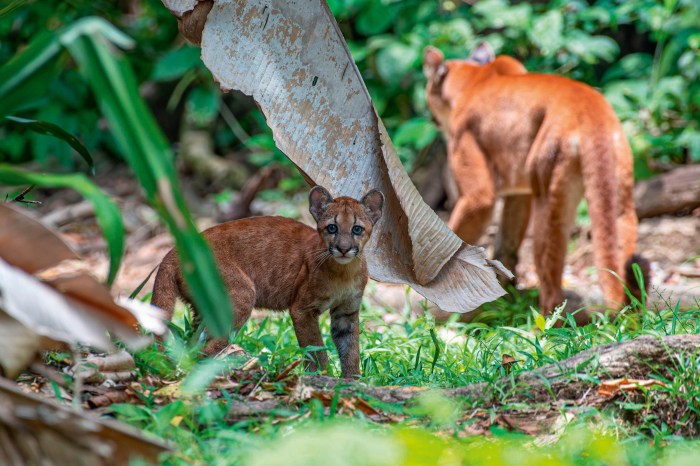
Source: natgeofe.com
In summary, choosing an eco-resort in Costa Rica with wildlife tours promises an enriching experience that combines leisure, education, and sustainability. These retreats not only enhance our appreciation of nature but also play a crucial role in conserving the planet’s resources. As you plan your visit, consider the multitude of ways these eco-friendly havens can transform your understanding of wildlife and conservation, ensuring your getaway is both enjoyable and impactful.
User Queries
What is an eco-resort?
An eco-resort is a type of accommodation that focuses on sustainability, minimizing environmental impact, and promoting conservation efforts while providing a comfortable stay for guests.
How do wildlife tours contribute to conservation?
Wildlife tours help raise awareness about local ecosystems, generate funding for conservation projects, and encourage guests to care about the environment and biodiversity.
Can children participate in wildlife tours?
Yes, many eco-resorts offer family-friendly wildlife tours designed to be safe and educational for children of all ages.
What should I pack for a wildlife tour?
Essential items include lightweight clothing, sturdy footwear, insect repellent, sunscreen, binoculars, and a camera to capture the incredible wildlife.
When is the best time to visit Costa Rica for wildlife viewing?
The dry season from December to April is generally considered the best time for wildlife viewing, as animals are more active and easier to spot.