Hotel for corporate events sets the stage for a thriving discussion on how the right venue can significantly enhance the quality and success of business gatherings. Choosing the ideal hotel involves more than just location; it’s about accessibility, amenities, and the overall experience that can be tailored to meet the unique needs of corporate clients. This narrative will delve into what to consider when selecting a hotel for your next corporate event, the types of events that can be effectively hosted, and the essential facilities that can make or break your planning process.
Hotel Selection Criteria for Corporate Events
When organizing a corporate event, selecting the right hotel is crucial for ensuring a successful and memorable experience. The choice of venue can significantly impact the overall atmosphere, productivity, and satisfaction of attendees. Therefore, it’s essential to consider several factors when making this decision, from location to amenities that cater specifically to corporate needs.One of the primary factors that influences hotel selection is the location and accessibility of the venue.
A hotel that is conveniently located, preferably near major transportation hubs, can enhance attendance and participation. It is vital to assess the ease of access for attendees traveling from various locations, including airports and city centers, which can play a role in the overall experience of corporate events.
Importance of Location and Accessibility
The location of the hotel not only affects the convenience for attendees but also sets the tone for the event. Safe and accessible locations can encourage higher attendance and engagement. Here are key considerations regarding location:
- Proximity to Transportation: Hotels located near airports, train stations, and major highways facilitate easy travel for guests. This is especially important for out-of-town participants.
- Local Attractions: A hotel situated in a vibrant area with restaurants, entertainment, and cultural attractions can provide options for networking and leisure activities outside of event hours.
- Safety and Security: Ensuring that the hotel is in a safe neighborhood is crucial for peace of mind for attendees traveling from different regions.
- Accessibility for All: Consideration for guests with disabilities is essential, ensuring that the venue is equipped with ramps, elevators, and accessible restrooms.
Amenities that Enhance Corporate Event Experiences
In addition to location, the amenities offered by a hotel can significantly enhance the effectiveness and enjoyment of corporate events. Choosing a venue with the right facilities can support the event’s objectives and provide a comfortable environment for attendees. The following amenities are particularly beneficial:
- Meeting Rooms: Availability of well-equipped conference rooms with advanced audio-visual technology, suitable seating arrangements, and adequate space for breakout sessions.
- High-speed Internet Access: Reliable and fast Wi-Fi is essential to accommodate the needs of participants, especially for hybrid events or virtual attendance.
- On-site Catering: Catering options that offer a variety of meal choices can cater to different dietary preferences and enhance the overall experience during breaks and meals.
- Business Services: Access to printing, copying, and other business services can aid in the smooth execution of the event, ensuring that last-minute needs are met without hassle.
- Comfortable Accommodations: Room options that prioritize comfort and amenities such as ergonomic furniture, soundproofing, and in-room technology can help attendees relax and recharge after long sessions.
- Recreational Facilities: Fitness centers, spas, and leisure areas can provide attendees opportunities to unwind, promoting overall well-being during the event.
Types of Corporate Events Hosted in Hotels: Hotel For Corporate Events
Source: cloudfront.net
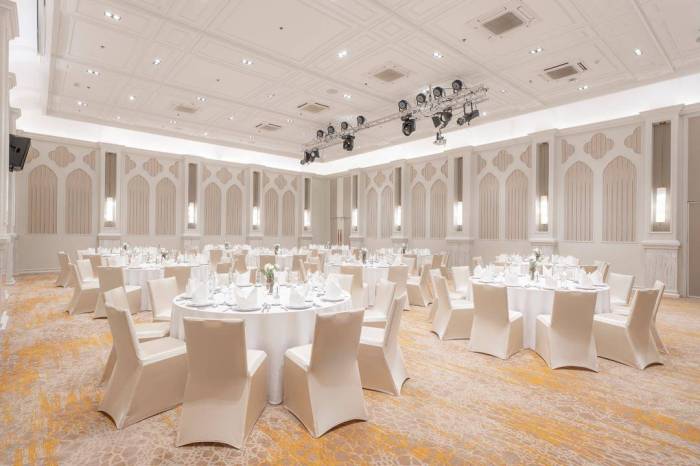
Hotels serve as versatile venues for a variety of corporate events, catering to the diverse needs of businesses and organizations. From large-scale conferences to intimate retreats, hotels provide the necessary facilities and services to ensure a successful event. Understanding the types of corporate events that can be hosted in hotels helps companies make informed decisions regarding their venue selection.Numerous corporate events can be successfully organized in hotel settings.
These events range from formal affairs like conferences and seminars to team-building retreats and product launches. Each type of event has specific requirements and objectives, and hotels often tailor their services to meet these needs. The professional atmosphere, combined with amenities such as catering and audiovisual support, makes hotels a preferred choice for corporate gatherings.
Comparison of Different Types of Corporate Events
When planning a corporate event, it’s essential to consider the features that distinguish various types. Below is a comparison table that Artikels the key characteristics of different corporate events hosted in hotels.
| Event Type | Purpose | Typical Duration | Attendee Size | Facilities Required |
|---|---|---|---|---|
| Conference | Information sharing and networking | 1-3 days | 50-1000+ | Large meeting rooms, breakout spaces, AV equipment |
| Seminar | Educational sessions | Half-day to 2 days | 10-300 | Presentation space, seating arrangements |
| Retreat | Team building and strategic planning | 1-5 days | 10-50 | Meeting rooms, leisure facilities, accommodations |
| Product Launch | Introducing a new product | 1 day | 50-500 | Exhibition space, catering, promotional materials |
Unique corporate event themes can significantly enhance the experience for attendees, creating memorable and engaging occasions. Hotels can accommodate various themed events, providing tailored decorations, menu options, and activities that align with the chosen theme. Some popular examples include:
Innovation Summit
A tech-themed event featuring futuristic decor, interactive displays, and keynote speakers from the technology sector.
Sustainable Business Retreat
Focused on eco-friendly practices, this retreat can showcase organic menus, sustainable materials for decor, and workshops on green initiatives.
Cultural Exchange Day
An event celebrating diversity, featuring international cuisine, cultural performances, and workshops that promote understanding and collaboration among different backgrounds.Hotels are equipped to transform their spaces to suit these unique themes, ensuring a seamless experience for both organizers and participants. By leveraging their resources, hotels can create an environment that enhances the objectives of the corporate event while providing a comfortable and professional setting.
Hotel Meeting Spaces and Facilities
Source: hancockhotel.com
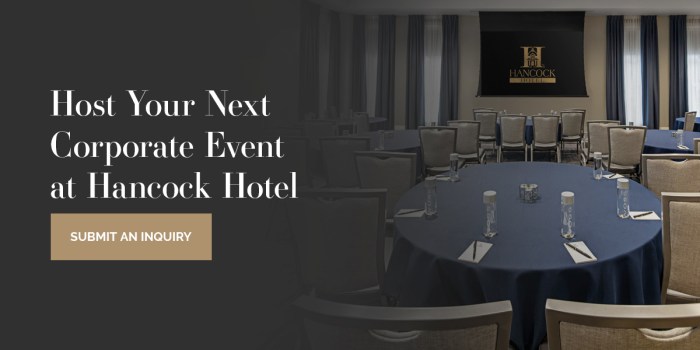
When organizing corporate events, the choice of hotel meeting spaces and facilities can significantly influence the overall experience. Hotels often provide a variety of meeting rooms designed to accommodate different types of events, from small board meetings to large conferences. These spaces are equipped with essential amenities that ensure a seamless and professional environment for all attendees.The types of meeting rooms available in hotels can vary widely, but they typically include options like conference rooms, breakout rooms, and executive suites.
Conference rooms are ideal for large gatherings and often come with flexible seating arrangements. Breakout rooms, on the other hand, are perfect for smaller group discussions and workshops, providing a more intimate setting. Executive suites offer a premium experience, usually featuring enhanced privacy and additional services that cater to high-level meetings.
Technology and Equipment for Successful Meetings
For corporate meetings to run smoothly, hotels must provide modern technology and equipment. This includes high-speed internet access, audio-visual equipment, and teleconferencing capabilities. High-speed Wi-Fi is essential to support multiple devices and facilitate real-time communication. Audio-visual equipment such as projectors, screens, and sound systems enhance presentations, making them more engaging. Teleconferencing tools allow remote participants to join in seamlessly, ensuring that all stakeholders can contribute regardless of their location.Important features of meeting spaces that hotels should offer include the following:
- Reliable high-speed internet access
- Audio-visual equipment, including projectors and microphones
- Adjustable lighting and temperature controls
- Whiteboards and flip charts for brainstorming sessions
- Teleconferencing capabilities for remote attendees
- On-site technical support to address any issues
- Comfortable seating arrangements tailored to the type of meeting
- Refreshment services to keep participants energized
Having these essential features in place not only enhances the functionality of the meeting space but also contributes to a productive atmosphere where participants can focus on the agenda at hand.
“Investing in the right meeting space technology can transform a simple gathering into a successful collaborative experience.”
Whether planning a small team meeting or a large corporate retreat, the right hotel meeting spaces and facilities are vital for ensuring a professional and effective event. The combination of versatile room types and advanced technology creates an environment conducive to success.
Catering and Menu Options for Corporate Events
Catering services play a pivotal role in the success of corporate events, as they can significantly enhance the attendees’ experience. A well-planned menu not only satisfies hunger but also reflects the professionalism and attention to detail of the hosting organization. Hotels that offer catering services can tailor their menus to meet the specific needs of corporate clients, taking into account the type and purpose of the event.When organizing corporate events, it is essential to choose menu options that cater to a diverse set of tastes and dietary restrictions.
Popular menu options can range from elegant sit-down dinners for formal gatherings to more casual buffet-style setups for networking events. Examples of popular menu options include:
Popular Menu Options for Corporate Events
Corporate events often feature different types of dining experiences. Here are some widely appreciated options that hotels can provide:
- Cold and hot hors d’oeuvres for cocktail receptions, such as bruschetta, shrimp cocktails, or mini quiches.
- Buffet-style lunches featuring a variety of salads, sandwiches, and hot entrees to accommodate diverse preferences.
- Plated dinners with options like grilled salmon, filet mignon, or vegetarian pasta dishes for more formal occasions.
- Dessert stations with assorted pastries, fruit tarts, and chocolates to leave a sweet impression.
- Customized lunch boxes with healthy options for business meetings or conferences.
When planning menus for corporate attendees, it’s vital to consider various dietary restrictions and preferences to ensure inclusivity. Below are some important dietary considerations to address:
Dietary Considerations for Corporate Events
Addressing dietary needs is essential for creating a welcoming environment. Here are key considerations to keep in mind:
- Vegetarian and vegan options for plant-based eaters.
- Gluten-free dishes for those with gluten intolerance.
- Nut-free options to prevent allergic reactions.
- Low-sodium and healthy choices for health-conscious attendees.
- Dairy-free alternatives for lactose-intolerant individuals.
“A well-catered event can elevate the overall experience, fostering networking and collaboration among attendees.”
Pricing and Budgeting for Corporate Events at Hotels
When planning a corporate event at a hotel, understanding the pricing and budgeting landscape is essential. Various elements influence costs, and effective strategies for negotiation can significantly impact the overall expense. A well-structured budget not only helps in keeping track of costs but also ensures that the event meets its objectives without overspending.Several factors can affect the costs of hosting corporate events in hotels.
These include the hotel’s location, the time of year, the type of event, duration, and the specific services requested. Understanding these factors is crucial in anticipating expenses and making informed decisions.
Factors Influencing Event Costs, Hotel for corporate events
The cost of hosting an event at a hotel can vary widely based on several key elements. Recognizing these can facilitate better budgeting and planning.
- Location: Hotels in prime business districts often charge higher rates due to demand and accessibility.
- Time of Year: Prices may fluctuate seasonally, with peak seasons generally leading to higher rates.
- Type of Event: Different events, such as conferences, workshops, or gala dinners, have unique requirements that can impact costs.
- Duration: The length of the event can influence rental fees and catering costs.
- Services Required: Additional services, such as audiovisual equipment, technical support, and decoration, can add to the overall budget.
Strategies for Negotiating Rates and Packages
Negotiating with hotel management can yield significant savings on event costs. Here are effective strategies that can bolster your negotiation approach:
- Research Comparable Hotels: Gather information on rates and packages from similar hotels to strengthen your negotiation position.
- Be Clear About Your Needs: Clearly Artikel your requirements and expectations to avoid misunderstandings and additional costs.
- Request Package Deals: Inquire about bundled packages that include room rates, catering, and meeting space, which might offer better value.
- Leverage Timing: Booking during off-peak seasons or on weekdays can lead to lower rates.
- Highlight Repeat Business: If planning multiple events, emphasize the potential for repeat business to negotiate better terms.
Sample Budget Template for Corporate Events
A well-structured budget is vital for tracking expenses and ensuring the event remains financially viable. Below is a simplified budget template for planning a corporate event in a hotel setting.
| Item | Estimated Cost | Actual Cost | Notes |
|---|---|---|---|
| Venue Rental | $_________ | $_________ | Includes meeting space and setup |
| Catering | $_________ | $_________ | Food and beverage for guests |
| Audio/Visual Equipment | $_________ | $_________ | Microphones, projectors, etc. |
| Decorations | $_________ | $_________ | Centerpieces, branding, etc. |
| Transportation | $_________ | $_________ | Shuttle services, parking fees |
| Marketing Materials | $_________ | $_________ | Brochures, banners, etc. |
| Miscellaneous | $_________ | $_________ | Unexpected expenses |
| Total | $_________ | $_________ |
This budget template serves as a foundation for planning and helps in monitoring actual versus estimated costs, ensuring that the corporate event stays within budget while meeting all essential requirements.
Best Practices for Planning Corporate Events in Hotels
Source: madisonhotelweddings.com
Planning a successful corporate event in a hotel requires careful attention to detail and a systematic approach. By adhering to a set of best practices, event planners can ensure that the event runs smoothly and meets the objectives of the organization. The following steps Artikel an effective strategy for planning corporate events in hotel environments.Clear organization and a structured timeline are essential for executing a corporate event.
A well-defined planning timeline can help prioritize tasks, allowing for adequate preparation and ensuring that nothing is overlooked. The following timeline provides a general Artikel for the planning process:
Steps Involved in Planning
Begin with understanding the event’s goals, budget, and audience. This foundational knowledge sets the stage for all subsequent decisions. Here are the key steps to follow:
- Define Event Objectives: Determine the purpose of the event, whether it’s for networking, training, or celebration.
- Select Date and Venue: Choose a date that accommodates your guests and a hotel that aligns with your event’s needs.
- Budget Planning: Establish a comprehensive budget that Artikels expected expenses for the venue, catering, equipment, and other logistical needs.
- Coordinate with Hotel Staff: Communicate your vision clearly with hotel staff including the event manager, catering team, and technical support.
- Develop Event Agenda: Create a detailed schedule for the event, including start and end times for each segment.
- Promote the Event: Utilize various channels to inform your target audience and encourage attendance.
- Execute Event: Ensure all arrangements are in place, from room setup to catering services, and monitor the event flow.
- Post-Event Evaluation: Gather feedback from participants and stakeholders to assess the success of the event and identify areas for improvement.
Timeline for Planning
The planning timeline can vary depending on the complexity of the event. Here is a suggested timeline to guide the planning process:
- 6-12 Months Before: Define objectives, select the venue, and establish a budget.
- 4-6 Months Before: Finalize details with hotel staff, create a detailed agenda, and begin promotions.
- 2-3 Months Before: Confirm catering options and technical requirements, and ensure all necessary materials are prepared.
- 1 Month Before: Send out reminders to attendees and make any last-minute adjustments.
- 1 Week Before: Conduct a final walkthrough with hotel staff to confirm all arrangements.
- Event Day: Execute the plan, monitor activities, and address any unexpected issues promptly.
- 1 Week After: Collect feedback, review outcomes, and debrief with the planning team.
Importance of Communication with Hotel Staff
Effective communication between event planners and hotel staff is crucial for ensuring a seamless event. Regular updates and discussions help to clarify expectations and confirm that all parties are aligned on the event details.
“A successful corporate event is the result of teamwork and clear communication.”
Establishing a single point of contact within the hotel can simplify coordination and enhance efficiency. This contact can provide timely updates, address any arising issues, and facilitate a collaborative environment, ultimately leading to a successful event that meets the expectations of all stakeholders involved.
Feedback and Evaluation Post-Corporate Events
Gathering feedback after corporate events held in hotels is essential for analyzing the success of the event and understanding the attendees’ experiences. This process not only helps in identifying what worked well but also highlights areas for improvement, ensuring that future events meet the expectations of all participants. The insights collected can guide better planning and execution in subsequent corporate gatherings.Evaluating the success of an event based on attendee responses is a critical component of the event planning process.
It allows organizers to gauge satisfaction levels, understand attendee engagement, and make data-driven decisions for future events. By systematically collecting and analyzing feedback, hotels can enhance their offerings, tailor services to meet corporate client needs, and ultimately foster stronger relationships with businesses.
Methods for Gathering Feedback
Several effective methods can be employed to gather feedback from attendees. Utilizing a combination of these methods can provide a comprehensive view of the overall event experience.
- Post-Event Surveys: Sending out digital surveys shortly after the event can capture immediate impressions. Questions can range from satisfaction ratings to open-ended feedback.
- Interactive Sessions: Hosting a feedback session during the event, where attendees can share their thoughts in real-time, encourages open dialogue and immediate reactions.
- Social Media Monitoring: Observing mentions and engagements on social media platforms can provide insights into attendees’ perceptions and sentiments regarding the event.
- One-on-One Interviews: Engaging in conversations with key attendees post-event can yield in-depth qualitative data that surveys might miss.
- Feedback Boxes: Physical or digital feedback boxes can be placed at the venue, allowing attendees to leave comments anonymously at their convenience.
Importance of Evaluating Event Success
Evaluating event success is crucial for understanding the impact of corporate gatherings. It helps identify strengths and weaknesses, informs stakeholders about the value of their investment, and provides a basis for future event enhancements.
“Feedback is the breakfast of champions.” – Ken Blanchard
Key Performance Indicators for Corporate Events
To assess the effectiveness of corporate events in hotels, it is important to establish clear Key Performance Indicators (KPIs). These KPIs will provide measurable outcomes that reflect the event’s success.
- Attendee Satisfaction Score: Percentage of attendees who rated their experience positively on post-event surveys.
- Net Promoter Score (NPS): Measures attendees’ likelihood to recommend the event to others, reflecting overall satisfaction and loyalty.
- Engagement Levels: Metrics such as session participation rates, Q&A interactions, and networking activities indicate attendee involvement.
- Budget Adherence: Comparison of actual spending against the planned budget to assess financial management.
- Lead Generation: Number of business leads or partnerships established as a direct result of the event.
- Social Media Engagement: Metrics that track mentions, shares, and interactions related to the event across various platforms.
Final Summary
In conclusion, selecting the right hotel for corporate events is a critical step in ensuring the success of your gatherings. By paying close attention to selection criteria, available amenities, and catering options, you can create a memorable experience that meets your objectives and impresses your attendees. With the right planning and execution, your corporate event can leave a lasting impact, fostering connections and driving business forward.
Question & Answer Hub
What factors should I prioritize when selecting a hotel for a corporate event?
Prioritize location, accessibility, meeting space amenities, and catering options to ensure a successful event.
Are there specific types of corporate events better suited for hotels?
Yes, hotels are ideal for conferences, seminars, retreats, and team-building events due to their versatile facilities.
How do I negotiate the best rates with a hotel for my corporate event?
Research comparable venues, be clear about your needs, and don’t hesitate to ask for package deals or discounts.
What technology should hotels provide for corporate meetings?
Hotels should offer reliable Wi-Fi, projectors, sound systems, and teleconferencing equipment to support effective meetings.
How can I gather feedback after my corporate event?
You can use surveys or direct communication with attendees to gather their opinions and insights for future improvements.