Eco resort in Madagascar with wildlife tours offers travelers a unique blend of adventure and sustainability in one of the world’s most biodiverse countries. These eco-friendly havens not only provide comfortable accommodations but also immerse guests in the rich natural environment and vibrant wildlife of Madagascar. By visiting these resorts, you play a part in preserving the stunning landscapes and diverse species that call this island home.
Madagascar boasts a fascinating array of eco resorts that prioritize sustainable tourism while showcasing the breathtaking flora and fauna. With a commitment to conservation and community involvement, these resorts create unforgettable experiences that enrich both travelers and local residents alike.
Overview of Eco Resorts in Madagascar
Eco resorts in Madagascar represent a unique blend of luxury and sustainability, designed to provide travelers with an immersive experience in one of the world’s most biodiverse regions. These resorts prioritize environmental conservation, cultural integrity, and community engagement, making them an essential part of the sustainable tourism landscape. With Madagascar’s rich array of endemic species and distinct ecosystems, eco resorts are pivotal in promoting responsible travel while offering guests a chance to connect with nature.The concept of eco resorts in Madagascar gained traction in the late 20th century, coinciding with a growing global awareness of environmental issues.
Initially, small-scale lodges and guesthouses began adopting eco-friendly practices, focusing on minimizing their ecological footprint. Over time, these accommodations evolved into full-fledged eco resorts, offering a range of services that emphasize sustainability. Today, they play a vital role in protecting the island’s delicate ecosystems while providing livelihoods for local communities through responsible tourism.
Unique Features of Madagascar’s Eco Resorts
What sets Madagascar’s eco resorts apart from those in other countries are their distinctive features rooted in the island’s biodiversity and cultural heritage. These resorts not only provide accommodations but also serve as gateways to the region’s unparalleled wildlife and ecosystems. Key features that highlight their uniqueness include:
- Endemic Wildlife Experiences: Madagascar is home to nearly 90% of its wildlife found nowhere else on earth, including lemurs, chameleons, and unique flora. Eco resorts often offer guided wildlife tours that allow guests to observe these creatures in their natural habitats, contributing to conservation efforts.
- Community-Based Tourism: Many eco resorts collaborate with local communities to ensure that tourism benefits the locals. This includes employing local staff, sourcing food from local farmers, and offering cultural experiences that showcase traditional Malagasy practices.
- Eco-Friendly Architecture: Resorts are often built using sustainable materials and designed to blend seamlessly into the environment. Features such as solar energy, rainwater harvesting, and waste recycling systems reflect a commitment to reducing environmental impact.
- Conservation Focus: A significant portion of eco resort revenues is reinvested into local conservation projects, helping to protect endangered species and restore habitats. This creates a direct link between tourism and environmental stewardship.
- Authentic Cultural Experiences: Guests can immerse themselves in Malagasy culture through local cuisine, traditional music, and art showcased within the resorts, fostering a deeper understanding and appreciation for the island’s heritage.
“Eco resorts in Madagascar not only promote sustainable tourism but also serve as vital hubs for conservation and community engagement.”
Wildlife Tours Offered at Eco Resorts
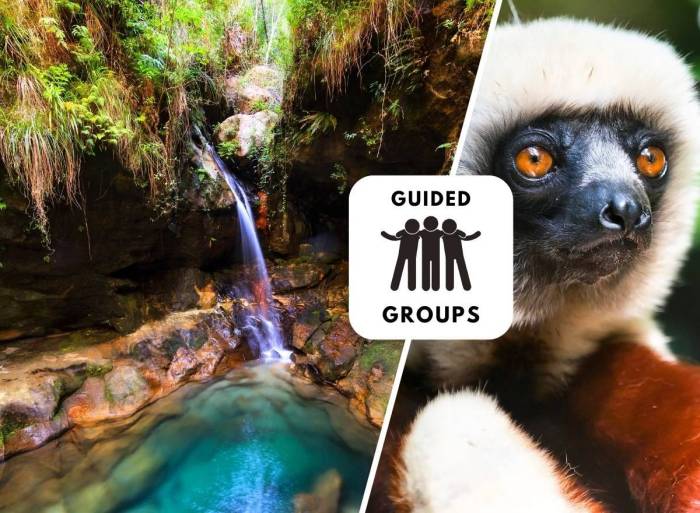
Madagascar boasts a unique ecosystem teeming with biodiversity, making it a prime destination for wildlife enthusiasts. Eco resorts in the region provide an opportunity for guests to engage in immersive wildlife tours that showcase the island’s stunning flora and fauna. These tours not only offer exhilarating encounters with nature but also emphasize the critical role of conservation in preserving Madagascar’s rich biodiversity.Wildlife tours at eco resorts typically encompass various experiences tailored to different interests and activity levels.
These tours are designed not only to entertain but also to educate guests about the importance of wildlife conservation. Engaging with local guides, visitors gain insight into the delicate balance of ecosystems and the unique species that call Madagascar home. Here are some of the notable wildlife tour experiences available:
Types of Wildlife Tours
Eco resorts in Madagascar offer a variety of wildlife tours that cater to diverse interests. Understanding the types of tours available helps guests choose experiences that resonate with their passion for nature.
- Guided Rainforest Trekking: Explore the lush rainforests and discover endemic species such as lemurs, chameleons, and rare orchids. These treks vary in difficulty and can range from short walks to multi-day excursions.
- Birdwatching Tours: With over 100 species of birds found nowhere else on Earth, birdwatching tours offer opportunities to spot the vibrant Madagascar Pochard and the stunning Crested Ibis. Expert guides share their knowledge about each species and their habitats.
- Nocturnal Safari: Experience the thrill of night-time wildlife observation. Night safaris reveal a different side of Madagascar’s wildlife, including elusive creatures like the Aye-aye and various nocturnal reptiles.
- Marine Wildlife Excursions: Dive or snorkel in the pristine waters surrounding Madagascar to encounter colorful coral reefs and marine life, including sea turtles and diverse fish species. These tours often focus on the importance of marine conservation.
- Cultural and Conservation Tours: Engage with local communities involved in conservation efforts. These tours educate guests on sustainable practices and the impact of tourism on wildlife preservation.
“Each moment spent in Madagascar’s wild is a reminder of the urgent need for conservation and the beauty we stand to lose.”
A wildlife tour participant
Visitors often share their unforgettable experiences from wildlife tours, highlighting the connections formed with guides and the stunning encounters with various species. One guest recounted their awe upon witnessing a family of lemurs leaping through the treetops during a guided trek, while another described the thrill of spotting a rare bird after hours of patient watching. Testimonials frequently emphasize the knowledgeable guides who not only enhance the experience but also instill a deep appreciation for the conservation efforts in place.
These narratives underscore the significance of eco tourism in fostering awareness and financial support for wildlife preservation in Madagascar.
Popular Eco Resorts in Madagascar
Madagascar is a treasure trove of biodiversity and natural beauty, making it a prime destination for eco-conscious travelers. The island is home to a variety of eco resorts that not only provide comfortable accommodations but also promote sustainable tourism practices. By choosing to stay at these resorts, visitors not only enjoy nature but also contribute to the preservation of the unique ecosystems found in Madagascar.The following eco resorts stand out for their commitment to sustainability, unique offerings, and immersive wildlife experiences.
Each provides its guests with opportunities to explore the lush surroundings, engage with local communities, and partake in eco-friendly activities.
Top Eco Resorts and Their Unique Offerings
The list below highlights some of the leading eco resorts in Madagascar, detailing their features and what makes them appealing to eco-conscious travelers.
| Resort Name | Location | Type of Accommodation | Activities Available | Unique Offerings |
|---|---|---|---|---|
| AndBeyond Mnemba Island | Northeast Madagascar | Beachfront Bungalows | Snorkeling, Diving, Wildlife Viewing | Private Island Experience, Conservation Programs |
| Tsara Komba Lodge | Nosy Komba | Luxury Bungalows | Hiking, Bird Watching | Community-Focused Initiatives, Local Cuisine |
| Masoala Forest Lodge | Masoala National Park | Eco-Friendly Chalets | Kayaking, Nature Walks | Access to Rare Wildlife, Guided Tours |
| Luxury Eco-Lodge Anjajavy | Anjajavy Peninsula | Secluded Villas | Bird Watching, Turtle Conservation | Private Nature Reserves, Scenic Views |
| Palissandre Cote Ouest | Morondava | Luxury Suites | Beach Activities, Cultural Tours | Eco-Friendly Practices, Local Artisans’ Support |
Each of these eco resorts offers a unique perspective on Madagascar’s incredible ecosystems and cultural heritage. They contribute to the local economy by employing residents and sourcing materials and food locally. Staying at these resorts allows travelers to immerse themselves in the natural surroundings while playing a part in the conservation efforts that protect Madagascar’s rich biodiversity.
Eco tourism in Madagascar not only nurtures the environment but also enriches travel experiences, allowing guests to connect deeply with nature and local communities.
The Role of Local Communities in Eco Tourism
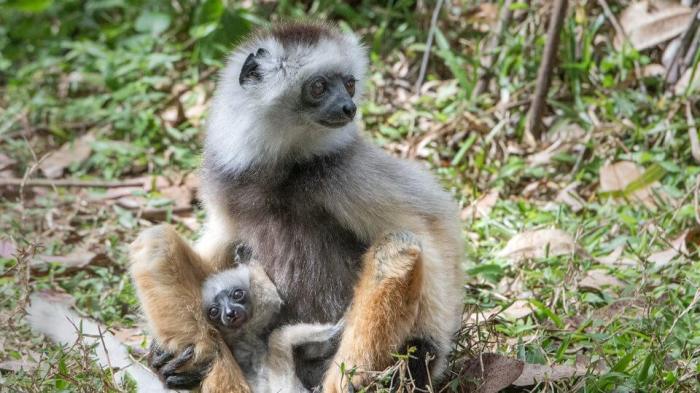
Eco tourism in Madagascar thrives not only on its breathtaking landscapes and unique wildlife but also through the active involvement of local communities. These communities play a vital role in the development and sustainability of eco resorts, ensuring that tourism benefits everyone, including those who call this stunning island home. By engaging local residents in various eco tourism initiatives, resorts can foster a sense of ownership and responsibility, which enhances the visitor experience while preserving the natural environment.Local communities directly participate in eco tourism initiatives by taking on various roles within the resorts and in guided wildlife tours.
Their intimate knowledge of the local ecosystem allows them to share insights that enrich the visitor experience. This involvement extends to providing accommodations, crafts, and food, allowing tourists to enjoy authentic Malagasy culture while supporting local economies. The benefits of eco resorts to local residents are significant, enabling them to improve their livelihoods while preserving their cultural heritage.
Benefits to Local Residents and Livelihoods
The presence of eco resorts creates numerous advantages for local residents, primarily through economic opportunities and community development. Here are some key benefits:
- Job Creation: Eco resorts hire locals for various positions, from hospitality to guiding, creating employment opportunities that may not have existed otherwise.
- Skills Development: Training programs offered by eco resorts empower community members with skills in hospitality, tourism management, and conservation practices.
- Cultural Exchange: Respective interactions between tourists and locals promote cultural appreciation, allowing residents to showcase their traditions and crafts.
- Economic Diversification: Eco tourism provides an alternative income source for communities traditionally reliant on agriculture or fishing, reducing vulnerability to economic fluctuations.
Community-driven conservation projects supported by eco resorts serve as a cornerstone for both environmental protection and community welfare. These initiatives not only promote biodiversity but also involve local populations in safeguarding their environment.
Community-Driven Conservation Projects
Various eco resorts in Madagascar actively support projects that benefit both the ecosystem and local residents. These projects often include collaboration with local communities to ensure sustainable practices. Notable examples include:
- Reforestation Efforts: Many resorts partner with locals to restore degraded areas, planting native trees that help combat soil erosion and enhance biodiversity.
- Wildlife Protection Programs: Local guides participate in monitoring endangered species, contributing valuable knowledge to conservation efforts while reinforcing their role as stewards of the land.
- Cultural Heritage Conservation: Projects aimed at preserving traditional practices and local crafts ensure that the culture remains vibrant and economically viable, attracting tourists interested in authentic experiences.
- Community Education Initiatives: Eco resorts often fund educational programs about sustainability and wildlife conservation, empowering locals to take active roles in preserving their environment.
“The involvement of local communities in eco tourism not only enhances the visitor experience but also ensures the sustainable use of Madagascar’s unique natural resources.”
Challenges Faced by Eco Resorts in Madagascar
Eco resorts in Madagascar are becoming increasingly popular for travelers seeking sustainable tourism experiences that highlight the unique biodiversity of the island. However, these resorts face numerous challenges that can impact their operations and the environment they aim to protect. Understanding these challenges is crucial to ensuring the longevity and effectiveness of eco tourism in Madagascar.One of the primary challenges confronting eco resorts in Madagascar is the delicate balance between environmental conservation and economic viability.
Deforestation, climate change, and loss of biodiversity due to human activities pose significant threats to the natural landscapes that eco resorts depend on. Furthermore, the economic landscape can be precarious, with many resorts struggling to attract guests in a competitive global market, especially when service and infrastructure are lacking. These economic pressures can lead to a reliance on practices that may not align with their sustainability goals, undermining their core mission.
Environmental and Economic Challenges
The interplay between environmental degradation and economic sustainability is evident in several key issues faced by eco resorts. The following points highlight the most pressing challenges:
- Deforestation: Madagascar has one of the highest rates of deforestation in the world, driven by agriculture, logging, and mining. This loss of forest cover threatens the habitats of countless species, making wildlife tours less viable.
- Climate Change: Rising temperatures and shifting weather patterns impact the island’s ecosystems. Increased flooding and droughts can affect resort operations and the surrounding environment.
- Infrastructure Limitations: Many eco resorts are located in remote areas with limited access to essential services such as clean water, electricity, and waste management systems. These infrastructure challenges can hinder resort development and guest experiences.
- Economic Instability: Fluctuations in tourist arrivals due to global economic conditions or political instability can severely impact the financial sustainability of eco resorts, forcing them to compromise on sustainability practices.
Resorts are actively implementing strategies to address these challenges and promote sustainability. For example, several eco resorts have adopted agroforestry practices, integrating agriculture with tree planting, to restore deforested areas while providing food for local communities. Additionally, many resorts are investing in renewable energy sources, such as solar panels, to reduce their carbon footprint and dependence on non-renewable energy.
Comparative Challenges in Global Context
When comparing the challenges faced by eco resorts in Madagascar to those in other regions, several notable similarities and differences emerge. Eco resorts worldwide grapple with issues such as climate change and resource scarcity; however, the specific context of Madagascar presents unique hurdles. For instance, in regions like Southeast Asia, eco resorts often deal with similar deforestation pressures but may not experience the same level of economic instability or infrastructural challenges as those in Madagascar.
Conversely, resorts in Costa Rica have made strides in sustainability due to strong government support and better infrastructure, allowing them to implement conservation practices more effectively.In Madagascar, the lack of governmental support and limited resources can lead to a more pronounced struggle for eco resorts. Despite these challenges, many resorts are pioneering innovative solutions aimed at promoting sustainable tourism while supporting local economies.
The emphasis on community involvement and education in Madagascar is a vital step towards ensuring that eco tourism benefits both the environment and the local populace.
Activities and Experiences Beyond Wildlife Tours
Madagascar is not just a haven for wildlife enthusiasts; it offers a rich tapestry of activities that enhance the eco-tourism experience. Visitors can immerse themselves in the island’s diverse landscapes, cultures, and adventures that go beyond observing lemurs and chameleons. These activities are designed not only to entertain but also to educate and foster a deeper appreciation for the environment and local traditions.Incorporating a variety of experiences is crucial for promoting eco-tourism.
It allows travelers to engage with the local culture, support community initiatives, and connect with the natural surroundings in meaningful ways. This holistic approach enriches the travel experience, making it more memorable and impactful.
Additional Activities Offered by Eco Resorts
Eco resorts in Madagascar provide a range of activities that cater to different interests. Below is a selection of engaging experiences that guests can enjoy during their stay:
- Hiking: Explore the breathtaking terrain of national parks like Andasibe-Mantadia or Isalo, where trails lead through lush rainforests and rocky landscapes. Guided hikes often include informative insights about local flora and fauna.
- Cultural Experiences: Engage with local communities through traditional cooking classes, craft workshops, or dance performances that showcase Madagascar’s rich cultural heritage.
- Water Sports: Enjoy activities such as snorkeling, kayaking, and paddle boarding in the pristine waters of Nosy Be or the protected lagoons of the east coast, offering a close look at vibrant marine life.
- Bird Watching: With over 300 bird species, many endemic to the island, bird watching excursions can be a delightful and serene experience for nature lovers.
- Photography Tours: Capture the stunning landscapes and unique wildlife through guided photography tours that highlight the best spots for breathtaking shots.
- Wellness Retreats: Many eco resorts offer yoga and wellness programs that promote relaxation and mindfulness amidst the natural beauty of Madagascar.
These activities not only enhance the visitor’s experience but also promote sustainability and respect for the local environment and communities. By participating in diverse experiences, travelers contribute to the local economy and help preserve the natural and cultural heritage of Madagascar.
Sustainable Practices in Eco Resorts
Eco resorts are increasingly adopting sustainable practices to minimize their ecological footprint while providing guests with unique experiences in nature. These eco-friendly approaches not only enhance the guest experience but also contribute significantly to the conservation of biodiversity and the preservation of natural habitats. By integrating sustainability into their operations, eco resorts play a pivotal role in protecting the environment, particularly in ecologically sensitive areas such as Madagascar.One of the core sustainable practices embraced by eco resorts is the use of local materials in construction and furnishings.
This practice reduces the carbon footprint associated with transporting materials over long distances and supports local economies. Additionally, many resorts implement water conservation measures, such as rainwater harvesting systems and greywater recycling. These methods help to minimize water usage and reduce the strain on local water resources, which is crucial in regions where water scarcity is a concern.
Examples of Sustainable Practices and Their Impact on Biodiversity
The sustainable practices adopted by eco resorts contribute to biodiversity conservation in various ways. Below are some key practices and their environmental impacts:
- Organic Farming: Many eco resorts cultivate their own organic gardens. This practice not only provides fresh produce for guests but also fosters local biodiversity by encouraging the growth of native plants and attracting beneficial insects. For example, the use of organic pest control methods reduces chemical runoff into local ecosystems.
- Wildlife Protection Initiatives: Eco resorts often collaborate with local conservation groups to protect endangered species. By providing funds and resources for wildlife monitoring and habitat restoration, these resorts contribute to the preservation of Madagascar’s unique flora and fauna. For instance, initiatives to protect the critically endangered Madagascar lemur have gained traction through the support of eco resorts.
- Community Engagement: Engaging local communities in sustainable tourism practices helps conserve cultural heritage and promotes responsible stewardship of natural resources. Eco resorts that hire local staff and involve community members in tours educate visitors on local ecosystems and the importance of biodiversity, fostering a culture of conservation.
- Eco-Friendly Waste Management: Implementing waste segregation and composting practices reduces landfill waste and promotes recycling. Eco resorts often minimize plastic use by providing refillable containers and encouraging guests to limit single-use plastics. This contributes to cleaner environments for wildlife and reduces pollution.
The Role of Renewable Energy Sources in Eco Resorts
Renewable energy sources are integral to the operations of eco resorts, allowing them to reduce their reliance on fossil fuels. Many eco resorts harness solar energy through solar panels, which can power everything from lighting to heating water. This not only lowers greenhouse gas emissions but also provides a more sustainable energy source, especially in remote areas where access to electricity is limited.Incorporating wind turbines and biogas systems further enhances the sustainability of eco resorts.
These technologies help in generating clean energy while managing waste effectively. For example, a resort could utilize organic waste from its kitchen to produce biogas, which can then be used for cooking or heating, closing the loop on resource utilization.
“By adopting renewable energy sources, eco resorts not only reduce their operational costs but also protect the planet for future generations.”
In conclusion, the sustainable practices adopted by eco resorts dramatically influence biodiversity conservation and ecological health. By developing and promoting these practices, eco resorts serve as models for responsible tourism, demonstrating that it is possible to enjoy nature while actively participating in its preservation.
Planning Your Visit to an Eco Resort in Madagascar: Eco Resort In Madagascar With Wildlife Tours
When considering a visit to an eco resort in Madagascar, meticulous planning is essential to ensure an enjoyable and sustainable experience. The unique biodiversity, stunning landscapes, and rich culture of Madagascar create an incredible backdrop for eco-friendly travel. Understanding the best times to visit and how to prepare can significantly enhance your adventure.Madagascar offers varying climates depending on the region and time of year.
The dry season from May to October is typically the best time to visit for wildlife viewing and outdoor activities. Packing wisely is crucial to fully embrace the ecological surroundings while minimizing your environmental impact. Here are some essential tips for your journey.
Essential Tips for Planning Your Trip
To make the most of your eco resort experience in Madagascar, consider the following tips:
- Best Time to Visit: May to October is ideal for wildlife sightings and comfortable weather. This period allows for better accessibility to national parks and reserves.
- Travel Documents: Ensure you have a valid passport and a visa for Madagascar. It’s advisable to check the latest travel regulations before your departure.
- Health Precautions: Consult with your healthcare provider about vaccinations and malaria prophylaxis. Carry a basic first-aid kit for any minor injuries.
- Local Currency: The local currency is the Malagasy Ariary. Carry some cash, as not all places accept credit cards.
- Language: While French and Malagasy are the official languages, learning a few basic phrases can enhance your interactions with locals.
Sustainable Travel Checklist
To ensure your visit to an eco resort remains sustainable, this checklist will help you stay mindful of your environmental footprint:
- Reusable Items: Pack reusable water bottles, bags, and utensils to minimize single-use plastics.
- Eco-friendly Toiletries: Choose biodegradable soaps, shampoos, and toothpaste to reduce chemical impact on the environment.
- Clothing: Opt for lightweight, breathable fabrics that are suitable for hiking and outdoor activities. Neutral colors help you blend with nature.
- Sun Protection: Use reef-safe sunscreen to protect oceans and coral reefs. Wear hats and sunglasses for additional protection.
- Respect Wildlife: Bring binoculars for wildlife viewing instead of disturbing animals. Maintain a safe distance and avoid feeding them.
Booking Your Stay and Arrival Expectations, Eco resort in Madagascar with wildlife tours
Booking a stay at an eco resort in Madagascar involves several straightforward steps. Many resorts offer online reservations through their websites or travel platforms. Research different resorts to find one that aligns with your values and interests. Read reviews and understand their conservation efforts.Upon arrival, expect to be welcomed by resort staff who are eager to share their knowledge of the local environment and culture.
The resort will likely provide an orientation regarding sustainable practices and available activities.
Being prepared can make your eco-friendly adventure both enjoyable and responsible.
Each eco resort may have unique features such as guided wildlife tours, cultural experiences, and opportunities for community engagement. Engage with the staff to tailor your experience according to your interests and preferences. Preparing ahead allows you to fully immerse yourself in the beauty and diversity of Madagascar while contributing positively to its preservation.
Summary
In summary, an eco resort in Madagascar with wildlife tours is not just a vacation; it’s an opportunity to connect with nature, support conservation efforts, and engage with local communities. By choosing one of these unique destinations, travelers can enjoy a memorable experience while making a positive impact on the environment and its inhabitants. Embrace the adventure and discover the wonders of Madagascar sustainably!
Question & Answer Hub
What types of wildlife can I see on tours?
Visitors can expect to see lemurs, chameleons, various bird species, and unique flora endemic to Madagascar on wildlife tours.
Are eco resorts suitable for families?
Yes, many eco resorts offer family-friendly activities and accommodations, making them great for travelers of all ages.
How can I contribute to local conservation efforts?
Many eco resorts offer opportunities to volunteer or participate in conservation projects during your stay.
What should I pack for my visit to an eco resort?
Pack lightweight clothing, sturdy walking shoes, insect repellent, and reusable water bottles to ensure a sustainable trip.
Is it necessary to book activities in advance?
While some activities can be booked on arrival, it’s recommended to reserve popular tours in advance to ensure availability.